BMW R1250GS Top Speed, Specs & Review
TL;DR
- The BMW R1250GS (2019-2023) is a 1,254cc air/liquid-cooled boxer twin producing 134 hp and 105.5 lb-ft of torque, with a top speed of 130.8 mph.
- ShiftCam variable valve timing (VVT) is the standout engineering feature, switching between two intake cam profiles to deliver strong low-rpm pull and high-rpm power from the same engine.
- The R1250GS hits 60 mph in just over 3 seconds in independent testing – quick for a 549 lb adventure bike.
- Base MSRP for 2023 started at $17,995, with the mandatory Premium Package pushing the effective floor to $21,240.
- The R1250GS was replaced by the R1300GS for 2024, but solid used availability and proven reliability make 2021-2023 examples worth serious consideration.
BMW R1250GS Specs at a Glance
| Specification | Detail |
|---|---|
| Engine | 1,254cc air/liquid-cooled boxer twin (flat-twin), DOHC, ShiftCam VVT |
| Bore x Stroke | 102.5mm x 76mm |
| Compression Ratio | 12.5:1 |
| Power | 134 hp (100 kW) @ 7,750 rpm |
| Torque | 105.5 lb-ft (143.0 Nm) @ 6,250 rpm |
| Transmission | 6-speed, shaft final drive |
| Top Speed | 130.8 mph (210.5 km/h) |
| 0-60 mph | ~3.1 seconds (independent test) |
| Front Suspension | BMW Telelever (optional electronic adjustment) |
| Rear Suspension | BMW Paralever (optional electronic adjustment) |
| Front Brakes | Twin floating 305mm discs, 4-piston radial calipers, ABS |
| Rear Brake | Single 276mm disc, double-piston floating caliper, ABS |
| Front Tire | 120/70 R19 |
| Rear Tire | 170/60 R17 |
| Wheelbase | 59 in (1,500mm) |
| Seat Height | 33-34 in (850-870mm) |
| Wet Weight | 549 lb (249 kg) |
| Fuel Capacity | 5.3 US gal (20L) |
| Production Years | 2019-2023 |
| US MSRP (2023) | $17,995 base / $21,240 effective (w/ mandatory Premium Package) |
BMW R1250GS Top Speed and Acceleration
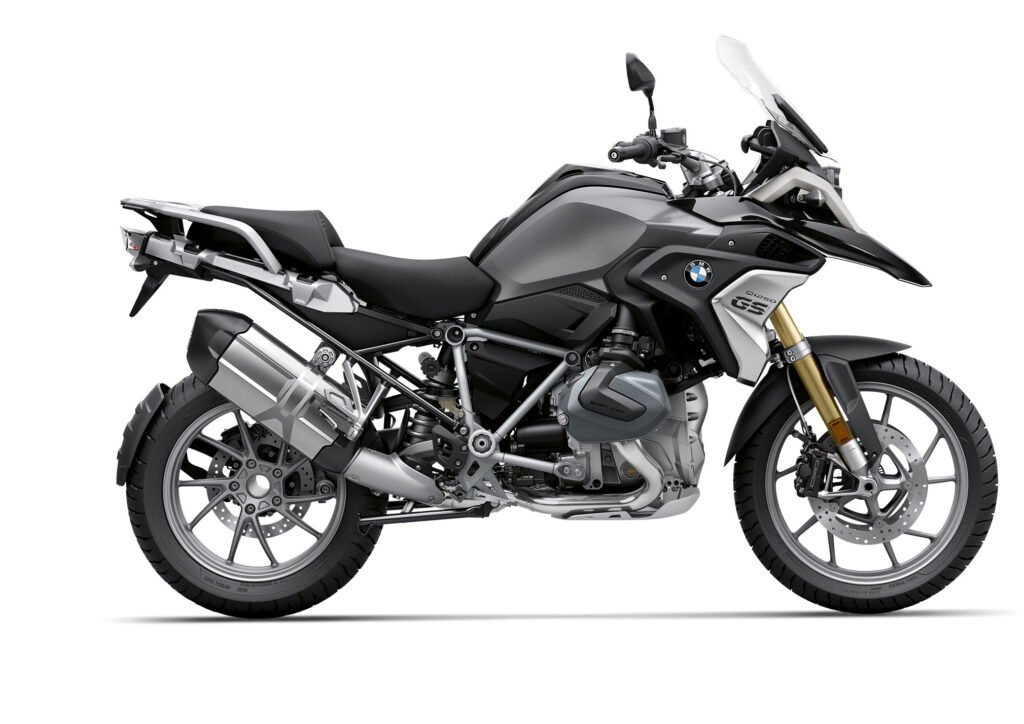
The R1250GS has a tested top speed of 130.8 mph, confirmed by independent instrumented runs (Wikipedia, 2024). For a 549 lb adventure tourer with a tall windscreen, that’s genuinely strong. The wind load above 100 mph gets physical in a hurry without a fairing.
Acceleration is where the R1250GS surprises people. In back-to-back testing against the R1300GS, Bennetts measured both bikes reaching 60 mph in just over 3 seconds, with the R1250GS recording a nearly identical time to its replacement (Bennetts, 2024). That puts it on par with some sport-focused middleweights, despite hauling 20L of fuel capacity and an adventure-touring chassis.
The ShiftCam system is the reason for that snappiness. Below 5,000 rpm, the engine runs relaxed intake cams – lots of low-end pull, easy throttle, good fuel economy. Above 5,000 rpm (roughly 80 mph in top gear), the cam profile switches, adding 11 hp over the outgoing R1200GS and delivering noticeably stronger acceleration through the mid-range (MCN, 2019). Roll-on overtakes from 60 to 80 mph were nearly one full second quicker than the 1200, which on the highway is real-world meaningful.
ShiftCam: What It Is and Why It Matters
ShiftCam is BMW’s variable intake camshaft control. It runs two cam profiles on the intake side – one for low-rpm torque and efficiency, the other for peak power – and transitions between them based on throttle and engine speed (BMW Motorrad, 2019). Think of it as a torque-heavy tow truck and a high-revving sport engine sharing the same crankcase. The R1250GS is both, depending on what you ask it to do.
Engine and Chassis: Where the GS Earns Its Premium Price
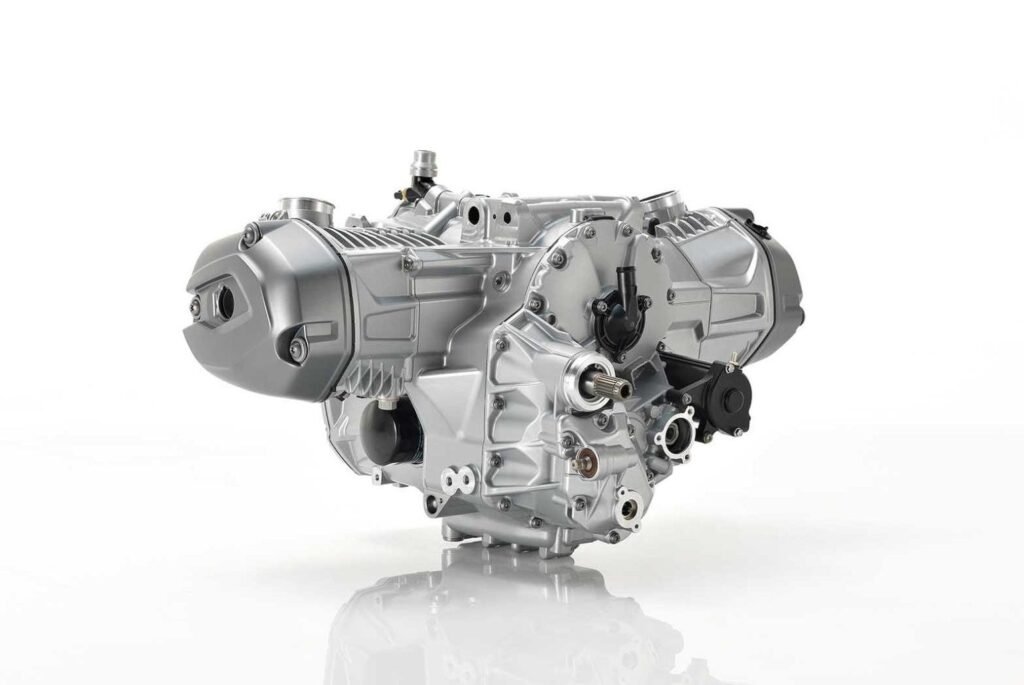
The 1,254cc boxer twin grew from 1,170cc (R1200GS) through a larger bore and longer stroke, netting 7% more power and 14% more torque over the predecessor (Bennetts, 2019). The ShiftCam VVT system sits on top of that foundation, adding the dual cam-profile switching described above.
Up front, BMW’s Telelever system replaces conventional telescopic forks. Telelever separates braking forces from suspension travel – when you grab the front brake hard, the bike stays level instead of nose-diving. For loaded touring and gravel roads where predictable geometry matters, Telelever earns its place. Some riders miss the feedback feel of traditional forks, which is a fair trade-off to understand before buying.
At the rear, Paralever handles drive forces from the shaft. Shaft drive means zero chain maintenance – no adjustment, lubrication, or replacement. For riders covering 10,000+ miles a year, that’s a real cost and time advantage.
Optional Dynamic Electronic Suspension Adjustment (ESA) lets you change compression and rebound damping from the handlebars while moving, useful when transitioning from solo to two-up touring mid-trip.
Strengths and Limitations
Strengths
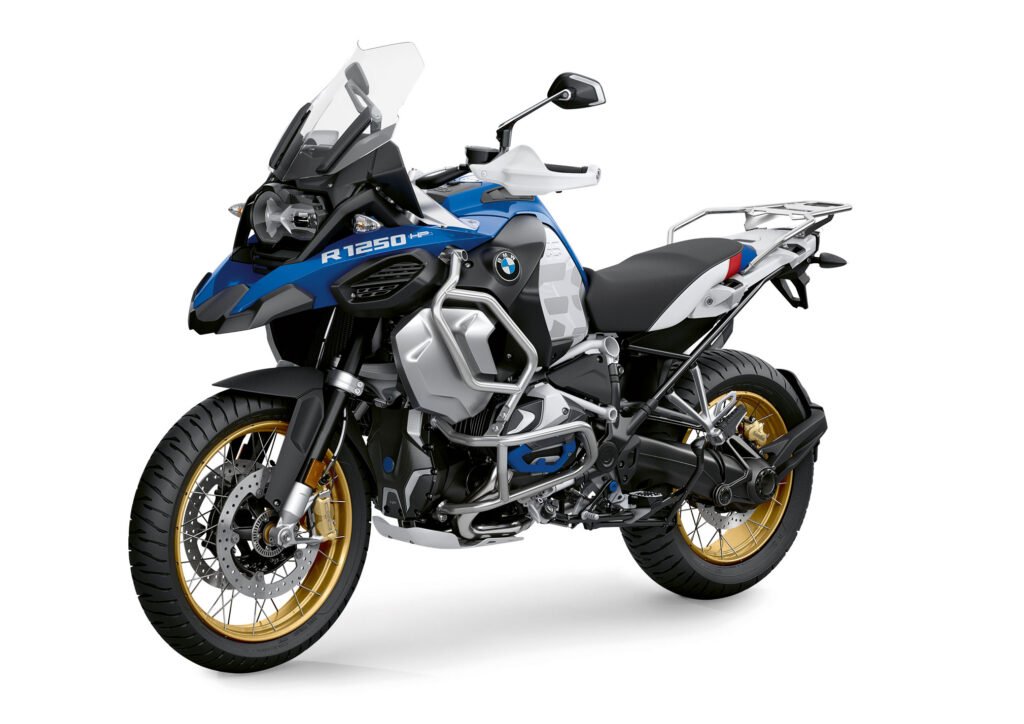
That ShiftCam boxer pulls hard from 2,000 rpm, stays smooth through the midrange, and has enough top-end to feel brisk on a highway entry ramp. Shaft drive eliminates chain maintenance. Telelever and Paralever together give it a planted character that holds up across long days. The 20L tank delivers roughly 200 miles between stops at touring pace. Higher-trim electronics (cornering ABS, traction control, multiple riding modes) are genuinely useful on variable surfaces.
Limitations
At 549 lb wet, low-speed parking lot maneuvers and gravel driveways expose the weight. The 33-34 in seat height is workable for riders 5’9″ and taller; shorter riders need the optional low seat or suspension. A fully loaded GS with Dynamic Package, Premium Package, and ESA pushes past $25,000. ESA units are expensive to replace (Bennetts, 2019). Known issues include front brake caliper leaks and electronics faults in high-mileage examples (MCN, 2019).
Who the BMW R1250GS Is Right For
The R1250GS suits experienced riders who want one bike that can handle a daily commute, weekend canyon run, cross-country tour, and light off-road without compromise. It rewards riders comfortable with a tall, heavy machine who aren’t put off by the learning curve of Telelever front feel.
It’s not the right choice for new riders, anyone regularly doing technical off-road work, or buyers on a tight budget. The purchase price, premium BMW service costs, and electronics complexity point to an owner with real seat time and financial flexibility.
For used buyers, 2021-2023 model years are the strongest picks – Euro5-compliant motor, USB charging standard, latest electronics. A well-maintained example under 30,000 miles with dealer service history is low risk.
Frequently Asked Questions About the BMW R1250GS
What engine does the BMW R1250GS use?
The R1250GS uses a 1,254cc air/liquid-cooled flat-twin (boxer) with dual overhead camshafts and BMW’s ShiftCam variable intake camshaft control. It produces 134 hp at 7,750 rpm and 105.5 lb-ft of torque at 6,250 rpm, with shaft final drive.
How fast is the BMW R1250GS?
The R1250GS has an independently tested top speed of 130.8 mph. It reaches 60 mph in approximately 3.1 seconds based on testing by Bennetts (2024), which is quick for an adventure bike in this weight class.
What years was the BMW R1250GS made?
BMW produced the R1250GS from 2019 through 2023. It replaced the R1200GS and was itself replaced by the R1300GS starting with the 2024 model year.
What is the R1250GS seat height?
Seat height on the standard R1250GS is 33-34 inches (850-870mm) depending on suspension setting. BMW offers a lower seat and reduced suspension height, bringing the effective seat height down roughly 1.2 inches for shorter riders.
Is the BMW R1250GS reliable?
Generally yes. MCN owner review data shows the ShiftCam engine has held up well with no widespread powertrain failures reported (MCN, 2019). Known issues include front brake caliper leaks and electronics faults in high-mileage bikes. A BMW dealer service history is the safest call on the used market.
What replaced the BMW R1250GS?
The R1300GS replaced it for 2024. It uses a 1,300.6cc engine producing 145 hp, weighs 12 kg less at 237 kg wet, and uses updated Evo Telelever suspension. The 0-60 time is virtually identical to the R1250GS (Bennetts, 2024).
Key Takeaways
- The R1250GS produces 134 hp and 105.5 lb-ft of torque from a 1,254cc ShiftCam boxer twin, with a tested top speed of 130.8 mph and 0-60 in approximately 3.1 seconds.
- ShiftCam VVT gives the engine dual character: relaxed below 5,000 rpm, noticeably stronger above it.
- Telelever front suspension and Paralever shaft drive separate the GS from most adventure bikes in handling feel and maintenance requirements.
- The 2023 US effective price floor was $21,240 once the mandatory Premium Package is included.
- Strong used availability in the 2021-2023 range makes the R1250GS a practical buy today.
- Best suited to experienced riders who prioritize long-distance capability over off-road performance or low purchase price.