Motorcycle Riding Gear for Rural Roads: What Beginners Need
TL;DR
- Rural roads carry hazards city streets don’t — loose gravel, deer crossings, no barriers, and no cell service — so your gear needs to match the risk.
- A full-face helmet with DOT and ECE 22.06 certification is the minimum for rural riding; open-face helmets leave too much exposed.
- A jacket with CE Level 2 shoulder and elbow armor, plus a back protector, is the standard to shop to.
- Gloves, riding pants with knee and hip armor, and ankle-protecting boots are not optional on rural roads — they’re the difference between walking away and not.
- High-visibility gear or a reflective vest matters more on rural roads than anywhere else because drivers there expect you less.
Rural roads are where a lot of new riders first feel what motorcycling is supposed to feel like — open space, no stop lights, real corners. They’re also where a lot of beginners find out the hard way that city riding gear habits don’t translate. Gravel sits in the middle of lane lines. Deer step out from tree lines. Road shoulders drop off into ditches. Emergency response times are measured in tens of minutes, not seconds.
This guide covers the protection gear you need before you take that first rural ride — what it does, why it matters out there specifically, and what to look for when you’re buying.
Why Rural Roads Demand More From Your Gear
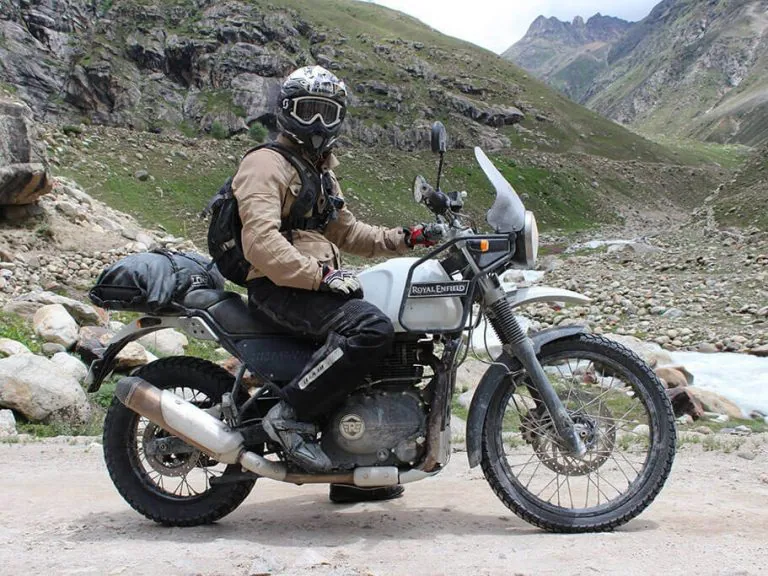
The risk profile on rural roads is different from city riding in three concrete ways.
First, road surfaces are less predictable. Gravel washes onto pavement after rain. Tree roots push up asphalt. Frost heaves leave ledges across the lane. Sand collects in corners. Any of these can take the front wheel out from under you with almost no warning.
Second, wildlife is a real collision threat. The IIHS estimates that roughly 1.5 million deer-vehicle collisions occur annually in the United States (IIHS, 2023). Motorcyclists are far more exposed than car drivers in these events. A deer strike at 45 mph is a serious crash regardless of how skilled you are.
Third, you are alone out there. No bystanders, often no cell signal, no guarantee of quick emergency response. The gear you leave home in is the only protection you’ll have.
| Hazard | City Roads | Rural Roads |
|---|---|---|
| Gravel/sand on pavement | Rare | Common, especially in corners |
| Wildlife crossings | Occasional | Frequent, often unmarked |
| Road surface consistency | Generally maintained | Variable; patched, cracked, frost-damaged |
| Emergency response time | Minutes | 15–45+ minutes in many areas |
| Guardrails / barriers | Common | Often absent |
| Traffic density | High (witnesses) | Low or none |
Helmets: Full-Face Is the Only Real Answer Here
For rural roads, a full-face helmet is the right choice. It protects your jaw and chin — the area that takes impact in a disproportionate share of motorcycle crashes — and it seals out flying debris, insects, and the windblast that becomes exhausting on longer rural stretches.
Look for helmets certified to DOT FMVSS No. 218 (required for US street use) and ideally also to ECE 22.06, the current European standard that uses more rigorous oblique impact testing. SNELL M2020 certification is a third option, common in helmets used for track riding, and it’s a sign of above-average shell integrity.
For beginners on rural roads, peripheral field of view matters. You’re scanning for deer at the tree line, checking for gravel at corner entry, watching for unmarked driveways. A helmet that sits too low or has a narrow eye port costs you situational awareness.
Modular helmets are a reasonable compromise if you want the option to open the chin bar at stops — just confirm the helmet is rated full-face when closed. Many modulars carry a lower rating in open position.
Fit is more important than price. A helmet that moves on your head in a crash is not protecting you correctly. Try it on, wear it for 15 minutes, and make sure it doesn’t rock more than about an inch in any direction.
Jackets: CE Level 2 Armor at the Shoulders and Elbows, Minimum
A riding jacket does two things: it keeps road surface off your skin during a slide, and it holds armor in place over your joints. Both matter.
The armor standard to know is CE EN 13594 for impact protectors. Armor is rated Level 1 or Level 2. Level 2 transmits less force in an impact test — it’s the better rating, and it’s what you want at the shoulders and elbows at minimum.
For rural riding, look for a jacket with a back protector pocket and put a back protector in it. Many jackets ship without one or ship with a thin foam pad that doesn’t meet CE standards. A CE Level 1 or Level 2 back protector is a separate purchase worth making. The spine takes serious damage in crashes where the rider goes over the bars or gets thrown — which is exactly the kind of crash loose gravel or a wildlife strike can cause.
Beyond armor, look for abrasion-resistant outer material (leather or reinforced textile rated to EN 13595), ventilation you can close for temperature swings, and a snug waist fit. A jacket that gaps at the waist in riding position will shift during a slide and expose skin at the worst possible moment.
Gloves: Your Hands Go Down First
In almost every crash, the hands hit the ground first. It’s instinct — your brain tells your hands to catch you before the rest of you arrives. Motorcycle gloves exist to protect against that.
For rural riding, you want full-gauntlet gloves that cover the wrist and overlap your jacket sleeve. Short-cuff gloves leave the wrist exposed; that’s one of the worst places to take abrasion because of the tendons and bones sitting just under the skin.
Look for gloves rated to EN 13594 (the EU standard for motorcycle gloves), specifically those with palm sliders and knuckle armor. Palm sliders are usually a hard plastic or carbon panel over the palm that lets you slide rather than catching and tumbling. Knuckle armor keeps the joints intact.
Grip matters too. Rural riding means wet leaves in fall, morning dew on pavement, and the occasional muddy pullover. Gloves that give you a solid feel on the controls in mixed conditions are worth the extra cost.
Riding Pants: Don’t Skip the Hip and Knee Protection
Jeans are not riding pants. Regular denim tears through in under a second of road contact (University of Loughborough impact testing data, 2013). Riding pants — whether leather, armored textile, or aramid-lined jeans — are built to survive a slide long enough to matter.
For rural roads, the protection priorities in pants are:
- CE Level 1 or 2 knee armor — knees hit the ground in low-side crashes and go into the tank or bars in high-sides
- CE Level 1 or 2 hip armor — hip impacts are common and hip fractures in crashes are debilitating
- Abrasion resistance across the seat and outer thigh — the areas that contact pavement in a typical slide
Textile riding pants with integrated armor are the most practical starting point for beginners. They’re easier to wear over regular clothes, they offer ventilation options for warm days, and they’re significantly cheaper than leather. Aramid-reinforced riding jeans are a middle-ground option that look like regular jeans but have abrasion lining sewn into the high-impact zones.
Boots: Ankle Protection Is the Variable Most Beginners Skip
Motorcycle boots protect the ankle joint from the two failure modes that show up in crashes: lateral roll (the ankle folding sideways) and hyperextension (the foot getting caught and the ankle bending the wrong way). Standard footwear — sneakers, work boots, even hiking boots — doesn’t have the torsional stiffness to resist these.
Look for boots rated to EN 13634, the EU motorcycle footwear standard, which tests for abrasion resistance, ankle roll, and heel slip. The rating is listed on the boot’s tag.
For rural riding specifically, a boot with some grip on the sole matters. You’ll be putting your foot down on gravel at stops, on wet grass at pullover spots, on dirt at unmarked road shoulders. A sole with actual tread prevents a boot-slip takedown before you’ve even gotten back on the bike.
The boot should cover the ankle fully and ideally reach at least mid-shin.
Visibility Gear: Rural Drivers Aren’t Watching for You
On rural roads, drivers expect other cars. They’re not scanning for motorcycles at intersections, on straight-aways, or coming over rises.
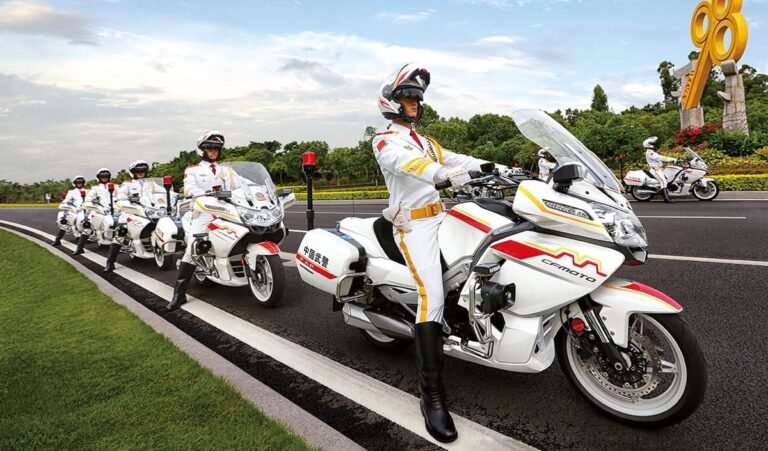
A high-visibility vest worn over your jacket is one of the highest-return safety additions for rural riding. Studies from the Motorcycle Safety Foundation confirm that conspicuity gear meaningfully reduces the risk of car-motorcycle collisions (MSF, 2022). It’s cheap, weighs nothing, and takes five seconds to put on. At minimum, choose a jacket and helmet with reflective detailing on the back and sides.
Frequently Asked Questions About Motorcycle Riding Gear for Rural Roads
Do I really need all this gear just for a short rural ride?
Yes. Distance doesn’t change crash physics. A five-mile rural road with a gravel corner and deer crossing is more dangerous than a twenty-mile city commute with traffic. The gear you wear every ride is the only version of gear that protects you — the gear sitting in the garage does nothing.
What’s the difference between CE Level 1 and CE Level 2 armor?
Both ratings are tested by transmitting an impact force through the armor and measuring what gets through to the body. Level 2 allows less transmitted force — it absorbs more of the impact energy. For rural riding where crash speeds and surfaces are less predictable than city streets, Level 2 at the shoulders, elbows, knees, and hips is worth the upgrade.
Can I wear a half-helmet or open-face helmet on rural roads?
Technically legal in most US states depending on local helmet laws, but not a good choice for rural riding. Open-face helmets leave the chin and jaw completely unprotected. Half-helmets leave the face and jaw exposed. Both also give you no protection from insects, flying debris, or the wind fatigue that builds on longer rural stretches. A full-face helmet is the right tool for this environment.
How much should a beginner budget for a full protective gear set?
A complete set — full-face helmet, jacket with armor, gloves, riding pants, and boots — can be assembled for $600 to $1,200 buying new mid-tier gear. Spending more gets you better materials and comfort. Spending less risks buying gear that doesn’t meet current CE standards or has armor that won’t stay in place. Don’t buy used helmets; you can’t see prior impact damage.
Does the color of my gear actually matter for safety?
Yes, meaningfully. High-visibility yellow and orange are detectable by drivers at significantly greater distances than black or dark gear, particularly in low light, dusk, and overcast conditions — all common on rural roads. If you prefer dark gear, add a high-visibility vest for rural and low-light riding. The trade-off in style is not worth the trade-off in detection distance.