BMW Motorcycles Years to Avoid
TL;DR
- Avoid R1200GS oilhead and early hexhead models (2005-2009) due to final drive seal failures and countershaft seal leaks that can contaminate the clutch.
- The 2019-2020 S1000RR (Gen 4, K67 platform) had a cylinder head recall for faulty titanium valve coating and a separate front brake caliper recall — bikes built before May 18, 2020 are affected.
- 2011-2012 K1600GT and GTL units had a documented throttle control software issue causing engine stalling, plus early production transmission defects.
- The first-generation S1000XR (2015-2019) carries persistent vibration through the bars and pegs at highway speeds due to no counterbalancer — it’s a known trait, not a manufacturing defect.
- The safest BMW motorcycle buys are water-cooled boxer twins from 2017 onward, second-generation S1000XR (2020+), and K1600 models from 2016 onward.
Why “BMW Motorcycles Years to Avoid” Is a Real Question Worth Answering
BMW Motorrad builds some of the most capable motorcycles on the planet. They also have some of the most complex engineering, highest dealer labor rates in the industry, and a history of platform transitions that occasionally produced first-year headaches. A $2,300 final drive replacement or an engine-out cylinder head job is the kind of surprise that turns enthusiasm into regret fast. The good news: most of the known trouble spots are well-documented, model-specific, and avoidable with the right information before you buy.
This guide covers the BMW models and year ranges that produced documented, recurring, or expensive problems — with the specific issue, why it happens, and what years to buy instead.
BMW Motorcycle Years to Avoid at a Glance
| Model | Years to Approach with Caution | Primary Issue |
|---|---|---|
| R1200GS (oilhead) | 2004-2005 | First-year hexhead teething, ABS o-ring recall |
| R1200GS (hexhead/camhead) | 2005-2009 | Final drive seal failures, countershaft seal leaks |
| K1600GT / K1600GTL | 2011-2012 | Throttle software stall recall; early transmission defects |
| S1000RR (Gen 4, K67) | 2019-early 2020 | Cylinder head recall, front caliper recall |
| S1000XR (Gen 1) | 2015-2019 | Chassis vibration at cruise (no counterbalancer) |
R1200GS: The Final Drive Problem and When It Was Solved
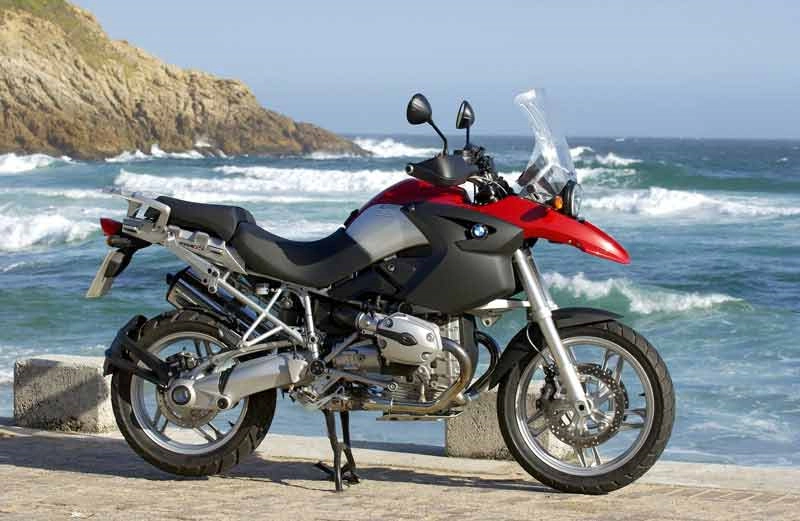
The R1200GS final drive is the most-discussed reliability topic in the BMW flat-twin world, and for good reason. On oilhead and early hexhead models (roughly 2005-2009), the final drive used an o-ring seal that degraded with heat cycling. When that seal failed, gear oil migrated out — and in some cases water reached the drive splines (Engine Patrol, 2024). BMW redesigned the final drive in 2010. Dealer-quoted replacements on affected bikes ran $2,000-2,300.
The countershaft seal is a separate issue on air-oil cooled boxers. When it fails, transmission oil reaches the clutch pack, and fixing it requires splitting the bike in half. BMW’s flat-rate for the job is approximately 14 hours of labor.
The 2005 first-year hexhead also had an NHTSA recall (04V297000) for an ABS sensor o-ring at the rear axle that could leak oil onto the rear brake disc.
If you want an air-cooled boxer GS, the 2010-2013 camhead is the sweet spot: final drive redesign already in place, spline issues better understood, and simpler electronics than the water-cooled models that followed.
R1200GS Water-Cooled (Wethead): What the First Two Years Got Wrong
BMW switched the R1200GS to water-cooling in 2013 (European market, arriving in the US as a 2014 model). The 2013 and early 2014 water-cooled GS — often called the wethead — went through its own first-year sorting period. Forum consensus from both UKGSer and ADVRider points to gearbox smoothness complaints on early units, and the rubber boot seating the final drive paralever was frequently improperly sealed from the factory on 2014 builds (BMW MOA, 2021). A poorly seated boot lets water reach the driveshaft splines, causing rust and eventual spline wear.
By 2017, the water-cooled GS had its rough edges resolved. The gearbox shifted cleaner, the suspension calibration improved, and the spline-boot issue was better controlled. If you’re shopping a used water-cooled GS, the 2017-2018 model years represent the best combination of sorted engineering and reasonable used pricing.
S1000RR Gen 4 (2019-2020): The Cylinder Head Recall You Need to Know About
The fourth-generation S1000RR launched in 2019 on BMW’s K67 platform and brought a genuinely impressive package — ShiftCam variable valve timing, a 210hp claimed output, and a lighter frame. It also shipped with a manufacturing defect that prompted a cylinder head replacement campaign affecting bikes built before May 18, 2020 (S1000RR Forum, 2021).
The specific failure: the titanium valve surface coating was applied incorrectly during production, causing premature wear on the valve guides and eventual oil consumption. BMW’s fix was complete cylinder head replacement — not a minor service, but a full engine-out job. Simultaneously, a separate recall covered leaking front brake calipers on 2019-2020 S1000RRs (Engine Patrol, 2024).
If you’re buying a used Gen 4 S1000RR, run the VIN through NHTSA’s recall database before you hand over a deposit. Bikes manufactured after May 2020 were not affected, and any recall-addressed unit with documented dealer work is fine to buy.
The 2015-2018 first-generation S1000RR (K46 platform) avoided all of this and has an excellent long-term reputation.
K1600GT and K1600GTL: Avoid the 2011-2012 Production Window
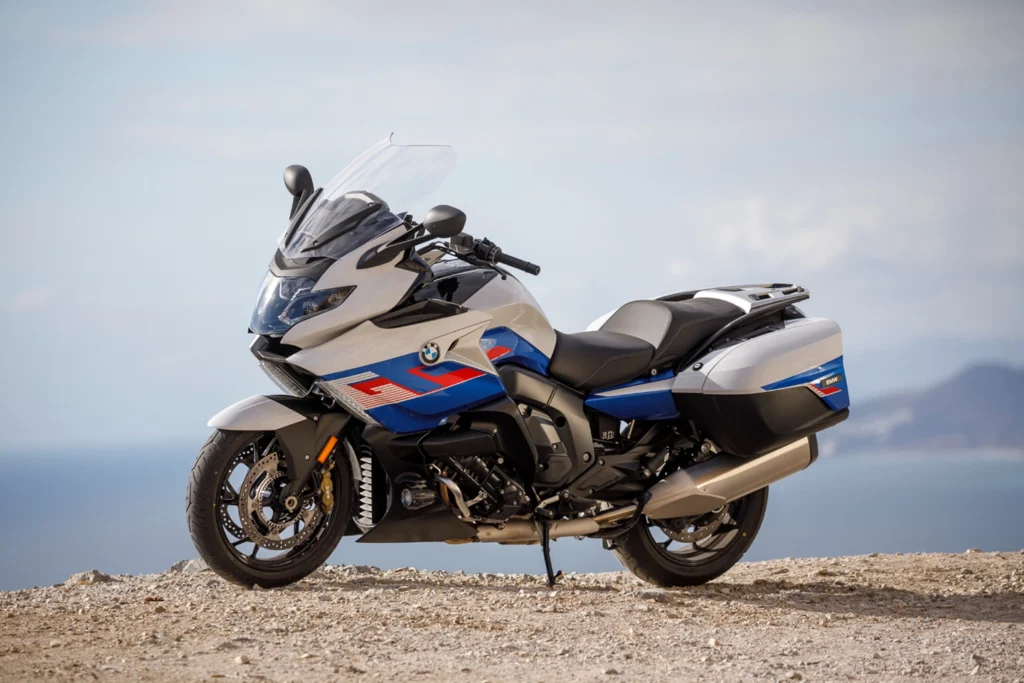
The K1600GT and GTL debuted in 2011 as BMW’s flagship six-cylinder tourers. First-year production between October 2010 and October 2012 had two documented problems worth knowing.
The first was a throttle control software issue: under certain conditions, the engine control unit received an incorrect signal and entered a fail-safe mode limiting engine speed to about 2,000 rpm, which could cause stalling (Motorcycle.com, 2013). NHTSA issued a recall covering 2,475 units of the 2012 K1600GT and K1600GTL in the US — BMW pushed a free software update through dealers.
The second was a transmission defect in the same production window. Forum reports and at least one international court decision documented premature wear on shift forks and selector sleeves in 5th and 6th gear. BMW eventually issued a full transmission replacement campaign. A later recall in 2019 affected 2018-2020 K1600GT, GTL, and B models for a separate selector sleeve wear issue — so the K1600 transmission was revisited across multiple generations.
The community consensus on the K1600 forum is clear: the 2014-2016 models represent the best buy in the lineup, with 2016 frequently cited as the cleanest example of the platform before Euro 4 emission hardware arrived on later models.
S1000XR Gen 1 (2015-2019): A Known Trait, Not a Hidden Problem
The first-generation S1000XR is not a bike to avoid outright — but it has one characteristic that sends some owners straight to the forums. The S1000RR-derived inline-four runs without a counterbalancer. On a purpose-built superbike, that’s a conscious weight saving. On an adventure-sport tourer meant for 300-mile days, it translates to a persistent buzz through the bars, pegs, and tank that becomes fatiguing over distance, particularly around 6,000 rpm at highway speeds (Engine Patrol, 2024).
This is not a manufacturing defect and it won’t leave you stranded. But riders who demo a Gen 1 XR on a short test ride and then take it on a 500-mile tour often find themselves reconsidering. Heavier bar ends reduce the sensation, and some owners fitted aftermarket handlebar risers with vibration-damping mounts.
The second-generation S1000XR (2020+) uses the updated S1000RR engine with ShiftCam technology and revised mounting, significantly improving highway refinement. If long-distance sport-touring is the plan, the 2020+ generation is the right choice.
BMW Motorcycle Years Worth Buying
Not every BMW year is a gamble. Several model-year windows are consistently rated well by the community and by the bikes’ track records.
| Model | Recommended Year Range | Why |
|---|---|---|
| R1200GS (air-oil cooled) | 2010-2013 camhead | Final drive redesigned, mature platform |
| R1200GS / R1250GS (water-cooled) | 2017 onward | Gearbox sorted, spline boot issues resolved |
| S1000RR | 2015-2018 (K46 platform) | Strong reliability record, no major recall campaigns |
| S1000RR | Post May 2020 builds (K67) | Cylinder head recall production date cutoff |
| K1600 GT/GTL | 2014-2016 | Transmission issues resolved, pre-Euro 4 detuning |
| S1000XR | 2020+ (Gen 2) | Vibration significantly reduced, updated engine |
How to Check a Used BMW Motorcycle Before Buying
Before committing to any used BMW, run three checks that take about ten minutes and can save thousands.
First, look up the VIN on the NHTSA recall database at nhtsa.gov. Enter the 17-character VIN and it will show any open recalls that haven’t been serviced. A 2019 S1000RR with an open cylinder head recall is not the same motorcycle as one with a completed dealer repair and paperwork.
Second, pull the service history and look for the final drive and spline service on any air-cooled or early water-cooled boxer. On hexhead GS models, the driveshaft splines should be cleaned and regreased at regular intervals — 12,000 miles is a common recommendation. A bike with no record of this service is not necessarily failed, but it’s a flag worth investigating.
Third, on any K1600 from 2011-2013 production, ask specifically about the transmission. Has it been replaced? What year was the bike manufactured? Bikes built between October 2010 and October 2012 are the affected production window (UKGSer, 2013).
Frequently Asked Questions About BMW Motorcycle Reliability
What BMW motorcycle has the worst reliability record?
The early oilhead R1200GS (2005-2009) and the first-generation K1600GT/GTL (2011-2012) generate the most documented complaint volume in terms of expensive repairs. The oilhead GS final drive and countershaft seal issues were real and costly; the K1600 had both a throttle software recall and a transmission defect in early production.
Are BMW motorcycles reliable in general?
Yes, as a brand, BMW Motorrad builds long-lasting machines. Many R1200GS owners report 60,000 to 100,000 miles with proper maintenance. The issues in this guide are real but concentrated in specific model years and production windows — not an across-the-board indictment of the brand.
Is the BMW R1250GS more reliable than the R1200GS?
The R1250GS (2019+) uses the same water-cooled boxer platform as the post-2013 R1200GS, now with ShiftCam variable valve timing. The platform by 2019 was well past its first-year complications. The R1250GS has a stronger reliability reputation than early water-cooled R1200GS models.
What should I check on a used BMW S1000RR?
Verify the build date. Any Gen 4 S1000RR built before May 18, 2020 should have documented cylinder head replacement from a dealer and confirmed front caliper recall work. Run the VIN through nhtsa.gov and ask for dealer service records.
Does the BMW K1600 transmission problem still affect current models?
BMW issued a 2019 recall for 2018-2020 K1600GT, GTL, and B models covering selector sleeve wear, so the transmission has been addressed across multiple generations. A 2017-2022 example with documented dealer service history is generally low-risk.