Triumph Scrambler 400 X Top Speed, Specs & Review
TL;DR
- Claimed top speed is around 99 mph, but independent testing puts real-world highway performance closer to 90-92 mph with a stock rider and no wind assistance.
- Independent GPS testing clocked a 6.96-second 0-60 mph run, with dyno output of 34.6 hp at the rear wheel against Triumph’s claimed 39.5 hp crank figure.
- The 398cc single makes 27.7 lb-ft of torque at 6,500 rpm and weighs 395 lb wet, keeping it light and easy to flick around town.
- Base MSRP starts at $6,195, undercutting most 400-500cc rivals while packing switchable ABS, a slip-and-assist clutch, and a 19-inch front wheel.
- It’s built for commuting and light gravel, not highway blasting – the single-cylinder engine runs out of breath above 75 mph.
What’s the Real Top Speed of the Triumph Scrambler 400 X?
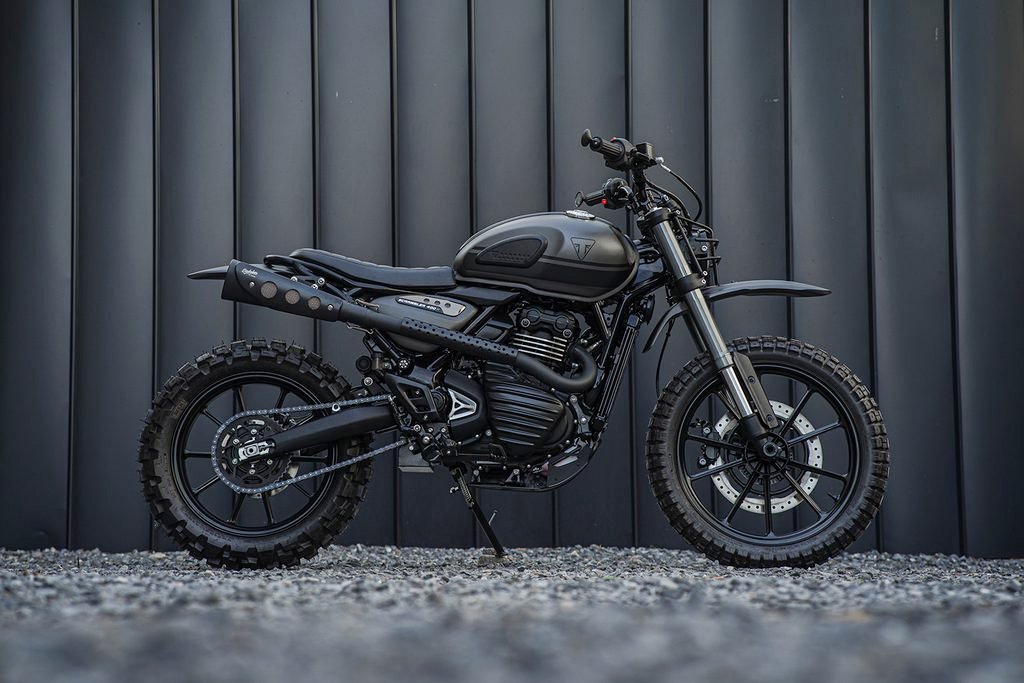
Triumph doesn’t publish an official top speed figure, but the math based on gearing and the 39.5 hp crank rating lands around 99 mph in ideal conditions. That number assumes a smooth road, no headwind, and a rider tucked in, which almost never happens on a bike with wide scrambler bars and an upright seating position.
Real-world reports from owners and reviewers consistently land lower, in the 90-92 mph range, with some noting the bike gets noticeably buffeted by crosswinds once you’re past 80 mph. The 19-inch front wheel and tall stance aren’t doing the aerodynamics any favors up there.
Dyno testing found the numbers came in under Triumph’s claim: 34.6 hp at 7,700 rpm and 24.3 lb-ft at 6,700 rpm, versus the claimed 39.5 hp and 27.7 lb-ft. That gap between crank and rear-wheel output is normal for any bike, but it does explain why the top end feels a little softer than the spec sheet suggests.
How Quick Is the 0-60 Time?
The Scrambler 400 X hits 60 mph in just under 7 seconds in independent testing, specifically 6.96 seconds using GPS-based instrumentation. That’s respectable for a 398cc single and quicker than most learner-legal bikes in this price bracket, though it won’t win any stoplight drags against a 650cc twin.
The single-cylinder engine pulls hardest in the midrange, between 4,000 and 7,000 rpm, thanks to a flat torque curve that peaks at 27.7 lb-ft. You don’t need to thrash it to get moving; short-shift through the gearbox and it still feels lively around town. Where it falls off is top-gear roll-ons at highway speed, where the single runs out of usable revs faster than a twin or triple would.
Full Specs: Engine, Chassis, and Dimensions
Here’s the complete factory spec sheet for the 2026 model year.
| Spec | Detail |
|---|---|
| Engine | 398cc liquid-cooled single, DOHC, 4-valve |
| Power | 39.5 hp @ 8,000 rpm |
| Torque | 27.7 lb-ft @ 6,500 rpm |
| Transmission | 6-speed, slip-and-assist clutch |
| Front suspension | 43mm USD forks, 5.9 in travel |
| Rear suspension | Gas monoshock, preload adjustable, 5.9 in travel |
| Front brake | 320mm disc, 4-piston radial caliper, ABS |
| Rear brake | 230mm disc, single-piston floating caliper, ABS |
| Wheels | 19 in front / 17 in rear, cast aluminum |
| Seat height | 32.9 in (835mm) |
| Wet weight | 395 lb (179 kg) |
| Fuel capacity | 3.43 gal (13 liters) |
| Wheelbase | 55.8 in (1,418mm) |
| MSRP | From $6,195 |
What’s It Like to Ride Day to Day?
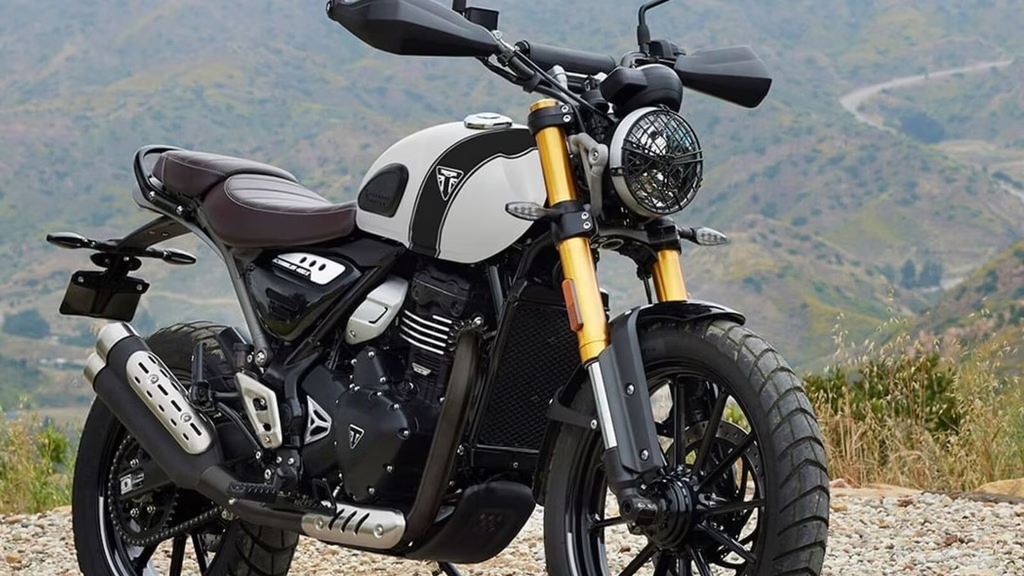
The Scrambler 400 X is built for commuting, weekend backroads, and mild gravel, not for eating highway miles. At 395 lb wet with a low center of gravity, it’s easy to muscle around in a parking lot or filter through city traffic, and the wide bars give you real leverage at low speed.
The riding position is upright and roomy for a 400, closer to a small adventure bike than a typical naked. That works in the bike’s favor around town but gets tiring on longer stretches of interstate, where wind blast off the tall front end and the unfaired cockpit wear you down after an hour or two.
Switchable ABS and traction control give newer riders a safety net on loose surfaces without getting in the way once you know the bike.
Fuel range sits around 130-150 miles depending on how hard you ride it, which is typical for a 3.43-gallon tank on a bike this size. Plan your gas stops around that number if you’re doing a weekend loop instead of straight commuting.
Who Should Buy the Scrambler 400 X?
This bike makes the most sense for new riders stepping up from a 250-300cc machine, commuters who want retro styling without a big price tag, and anyone who wants light gravel and fire-road capability without committing to a full-size adventure bike.
It’s less suited to experienced riders chasing outright performance or anyone planning regular highway touring. The single-cylinder engine and upright ergonomics simply aren’t built for sustained 75-80 mph cruising, and the seat gets uncomfortable on rides longer than a couple hours. For city riding, weekend exploring, and light off-pavement work, it’s hard to beat at this price.
Frequently Asked Questions
What is the top speed of the Triumph Scrambler 400 X?
Triumph doesn’t publish an official figure, but calculated top speed based on gearing lands around 99 mph. Real-world testing and owner reports put it closer to 90-92 mph once you account for wind resistance and rider position.
How fast is the Scrambler 400 X 0-60 mph?
Independent GPS testing recorded a 6.96-second 0-60 time. That’s a solid number for a 398cc single-cylinder bike in this price range.
How much horsepower does the Scrambler 400 X have?
Triumph claims 39.5 hp at the crank. Dyno testing measured 34.6 hp at the rear wheel, which is a normal drivetrain loss and not a red flag on the bike.
Is the Triumph Scrambler 400 X good for highway riding?
It can handle highway speeds, but it’s not built for sustained highway cruising. The upright riding position and single-cylinder engine make longer stretches above 70 mph tiring rather than relaxed.
What is the price of the Triumph Scrambler 400 X?
The 2026 model starts at $6,195 MSRP before freight, dealer fees, and taxes. That price undercuts most 400-500cc competitors while still including switchable ABS and a slip-and-assist clutch as standard.
How much does the Scrambler 400 X weigh?
It has a wet weight of 395 lb (179 kg), which makes it one of the lighter bikes in its displacement class and easy to handle for newer riders.