Can-Am Spyder Years to Avoid
TL;DR
- Avoid the 2013 Can-Am Spyder RT above all others — BRP recalled all 5,165 units (NHTSA #15V095000) for engine compartment heat that could burn riders and start fires.
- The 2008–2010 models carried multiple overlapping recalls, including a steering malfunction affecting 9,932 units (NHTSA #09V162000) and a fuel vapor fire risk covering up to 43,000 Spyders in the US and Canada.
- The 2014 first-year 1330cc triple had early teething problems; a 2015 or 2016 model gives you the upgraded engine without the first-year rough edges.
- The 2015–2021 Spyder RT is the sweet spot for used buyers — better brakes, dual front radiators, reverse radiator fans, and the six-speed SE6 transmission.
- Always run a VIN check through a BRP dealer before buying used; outstanding recalls can still be addressed free of charge.
Which Can-Am Spyder Years Have the Most Problems?
The years with the worst documented records are 2008–2010 and 2013. The 2008–2010 Spyder GS and RS models accumulated multiple NHTSA recalls spanning steering faults, fuel vapor fire risks, and fuel cap sealing failures. The 2013 Spyder RT earned its reputation as the single worst model year, triggering a recall of every unit ever built for dangerous engine compartment heat. If you’re shopping used, those are the years to walk away from — unless the recall work has been fully documented and completed.
Can-Am Spyder Years to Avoid at a Glance
| Model Year | Primary Problem | NHTSA Action | Verdict |
|---|---|---|---|
| 2008 | Steering overshoot, fuel vapor fire risk | #09V162000, #12V581000 | Avoid unless all recalls completed |
| 2009 | Steering, fuel vapor, fuel cap seal | #09V162000, #12V581000, #12V582000 | Avoid unless all recalls completed |
| 2010 | Fuel vapor hose, fuel cap seal, braking | #12V581000, #12V582000 | High recall count — proceed with caution |
| 2011–2012 | Fuel cap seal (RS/RT), minor electrical | #12V582000 | Lower risk; verify recall status |
| 2013 | Catastrophic engine heat, fire risk, leg burns | #13V504000, #15V095000 | Avoid |
| 2014 | First-year 1330 triple teething problems | No major recall | Acceptable if well-serviced |
| 2015–2021 | Occasional DESS code errors | None major | Recommended |
2008–2010 Spyder: Multiple Recalls, Steering Fault, Fire Risk
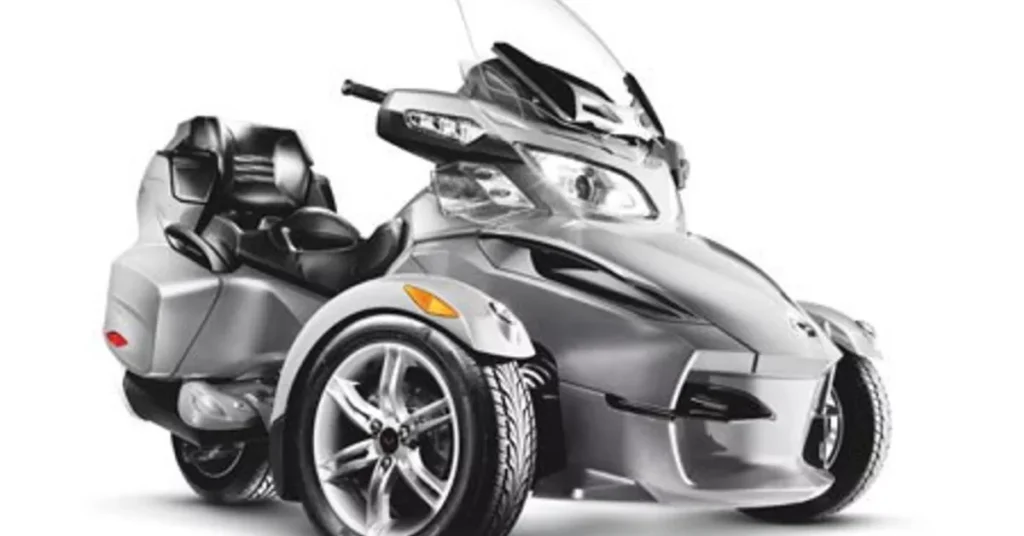
The first generation Spyder GS and RS models are the most recall-saturated years in the lineup’s history. BRP recalled 9,932 units of the 2008–2009 Spyder for a Dynamic Power Steering (DPS) fault (NHTSA #09V162000, reported June 2009). The condition caused the steering to require unexpectedly high force to correct drift, which could lead to overcorrection and leave riders out of their lane.
That steering issue alone would be enough reason for caution, but 2008–2010 models also landed in two separate fuel vapor recalls issued in December 2012. The smaller recall (NHTSA #12V581000) covered 9,600 US units from the 2008 and 2009 GS and a limited run of 2010 RS models. The fuel vapor canister vent hose inside the engine compartment could allow vapors to escape and ignite. The larger recall (NHTSA #12V582000) covered more than 33,700 Spyders in the US alone — 2008–2009 GS, 2009–2012 RS, and 2010–2012 RT models — for a fuel cap that failed to properly seal the filler neck, creating a secondary fire risk (Motorcycle.com, December 2012).
Three overlapping recall campaigns on a single generation of machine is a serious red flag. On a well-maintained, fully-recalled example the underlying issues may be resolved, but if you’re looking at a cheap 2009 RS with no service records, assume none of those recalls were touched. Any BRP dealer can pull recall status by VIN at no charge — run that check before handing over a deposit.
2013 Can-Am Spyder RT: The Worst Model Year to Buy
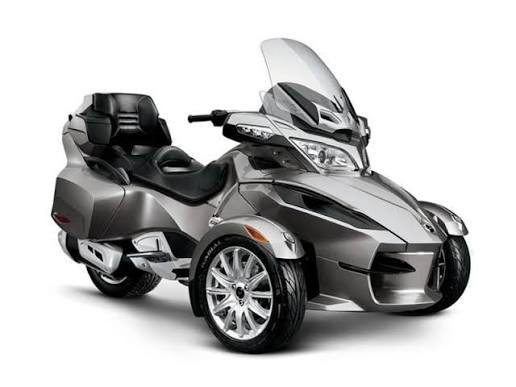
The 2013 Spyder RT is the year to avoid. BRP eventually recalled every single one of the 5,165 units produced (NHTSA #15V095000, issued February 2015) for engine compartment heat so severe that it could burn the rider’s legs or ignite the vehicle.
The heat problem had two separate roots, each with its own recall history. The first recall, issued in September 2013 (NHTSA #13V504000), covered certain 2013 RT and ST models and found that heat buildup near the brake master cylinder could melt the plastic manifold inlet on top of the tandem master cylinder, leading to a brake fluid leak and fire. Three actual vehicle fires were confirmed in NHTSA records before the recall was issued (Motorcycle.com, September 2013). BRP’s fix at that stage was heat shields installed at the dealer.
The second, broader recall two years later (February 2015) addressed a systemic heat management failure: prolonged idling or slow-speed riding in warm weather caused the engine compartment to overheat far beyond safe operating limits. BRP’s own interim guidance told 2013 RT owners not to idle for extended periods and to avoid slow traffic — a remarkable advisory for a $25,000+ touring machine.
What made the situation worse is that BRP filed the 2015 recall before the parts were even available to fix it. Owners got a letter in February 2015, but the actual repair parts weren’t expected until May 2015 (Autoblog, February 2015). For two years following the 2013 model’s launch, owners were effectively riding a machine with a known fire risk and no engineering remedy.
Heat shields were ultimately fitted to recalled units. But any 2013 RT on the used market needs documented proof that both recall campaigns were completed. Heat damage to wiring harnesses, brake lines, and fuel system components from years of operating above safe temperatures may not be obvious at a glance.
2014 Can-Am Spyder: New Engine, Early Teething Problems
The 2014 Spyder RT introduced BRP’s 1330cc Rotax ACE inline-triple — a genuinely better motor than the 998cc V-twin it replaced. It makes 115 horsepower and 130 Nm of torque, adds a six-speed transmission (up from five), and brings dual front radiators with reverse fans, which addressed much of the heat management issues that plagued the 2013.
That said, 2014 was a first-year platform, and first years on complex machines always have rough edges. Owner reports on SpyderLovers and Can-Am Spyder Forums document early belt tensioner failures, DESS (Digitally Encoded Security System) electronic key errors, and drivetrain vibration at highway speeds. These weren’t recall-level failures, but they sent a number of 2014 owners back to dealers multiple times in the first riding season.
Community consensus is consistent: skip the 2014 if you can. A 2015 or 2016 with the same 1330cc triple gives you the improved engine platform after the first-year bugs were ironed out.
Problems That Span Multiple Years: What to Watch on Any Used Spyder
Some issues aren’t tied to a single model year. They show up throughout the Spyder’s history and matter regardless of which year you’re considering.
DESS Electronic Key Errors
The Spyder’s CPU-driven security system can throw a DESS fault code even when there’s no actual problem with the ignition. The safety system prevents the machine from starting when it detects a fault — so a false code is still a stranding event. This issue affected 2008–2014 models most frequently, though it appears on post-2014 machines at a lower rate (Engine Patrol, 2024).
Belt Tensioner Failures
The drive belt tensioner is a maintenance wear item, not a set-it-and-forget item. If it fails entirely, belt vibration can become severe enough to loosen battery terminals and cause additional electrical faults. BRP’s own service manual schedules tensioner inspection and replacement as part of regular service — but owners who defer maintenance often skip it. On any used Spyder, check belt tensioner condition and ask for service records that show it was addressed.
Dealer Network Gaps
This one isn’t a mechanical problem, but it shapes what it costs to own any Spyder. The BRP dealer network is nowhere near the density of a Harley-Davidson or Honda network. Many dealers won’t service Spyders more than ten years old. Independent shops that understand Spyder-specific diagnostics are rare. In 2015, Consumer Reports ranked Can-Am last in reliability among major motorcycle brands — a rating partly explained by complex electronics requiring dealer-level diagnostic tools that most shops don’t have.
If the nearest competent BRP dealer is two hours away, that’s a real operational cost to factor into any purchase decision.
Best Can-Am Spyder Years to Buy
The 2015–2021 Spyder RT is the generation to target. These models have the mature 1330cc ACE triple, the six-speed SE6 transmission, dual front radiators, and substantially lower rates of DESS code errors compared to pre-2014 machines (Engine Patrol, 2024).
Within that range, the 2016–2019 models offer a good balance of lower purchase price and proven reliability. The 2020+ RT received further refinements and comfort upgrades, but used prices remain closer to new. A well-documented 2016 or 2017 RT with under 20,000 miles and a full service history from a BRP dealer is about as good as used Spyder shopping gets.
For the F3 line, the same logic applies: 2015 and newer avoids both the 2013 heat recall generation and the 2014 first-year 1330 issues.
Whatever year you target, run the VIN through the NHTSA recall database at safercar.gov and confirm directly with a BRP dealer that all outstanding campaigns are closed before you sign anything.
Frequently Asked Questions About Can-Am Spyder Years to Avoid
What is the worst year Can-Am Spyder to buy?
The 2013 Spyder RT is the worst model year. BRP recalled all 5,165 units built for engine compartment heat severe enough to burn riders’ legs and cause vehicle fires. The recall was filed in February 2015, but no remedy parts were available at that time — owners were advised simply not to idle or ride in slow traffic.
Are the 2008 and 2009 Can-Am Spyders safe to buy?
They can be safe if all recall work has been completed and documented. Both years were subject to a steering fault recall (NHTSA #09V162000) and a fuel vapor fire risk recall. Any BRP dealer can check recall status by VIN at no charge. Don’t purchase a 2008 or 2009 without that confirmation.
When did Can-Am fix the Spyder’s reliability problems?
The 2015 model year is the clearest turning point. The 1330cc inline-triple engine introduced in 2014 replaced the more problem-prone 998cc V-twin, and by 2015 the first-year teething issues on that platform had been addressed. Models from 2015 onward have a substantially cleaner reliability record than anything before 2014.
What are the most common Can-Am Spyder problems regardless of year?
The three most consistent issues are false DESS security code errors (which strand the rider even without a real fault), belt tensioner wear, and electrical gremlins tied to the Spyder’s complex CPU-controlled systems. All three are manageable with disciplined maintenance and a qualified BRP dealer, but they require attention that a standard motorcycle does not.
How many miles can a Can-Am Spyder last?
A well-maintained Spyder can reach 60,000 miles and beyond. Owners on forums like SpyderLovers.com report six-figure mileage on machines that received regular oil changes, belt tensioner service, and proper winter storage with a battery tender. The Rotax engine itself is widely considered the most reliable component on the entire machine. Neglected examples can develop issues well before 30,000 miles.