Can-Am Ryker Years to Avoid
TL;DR
- Avoid the 2019 Can-Am Ryker — it was the first production year and carries the highest rate of ECU, suspension, and steering complaints.
- A wiring harness recall covered 46,119 Rykers from model years 2019-2023.
- A fuel pump recall hit approximately 10,969 US Rykers across the same model year range.
- VSS limp mode and CVT clunk appear across all years — manageable but worth knowing before you buy.
- The 2022 and 2023 model years are the safest used buys, provided all recalls are confirmed closed.
What the Can-Am Ryker Is and Why Year Selection Matters
The Can-Am Ryker is BRP’s entry-level three-wheel motorcycle. It launched in 2019 as a more affordable, sportier alternative to the Spyder, powered by either a 600cc or 900cc Rotax ACE engine mated to a CVT automatic transmission. Two front wheels and one rear wheel give it its distinctive stance and its no-lean-required handling.
Because the Ryker only entered production in 2019, every model year is relatively recent — you’re not shopping decades of data. But BRP issued a notable volume of recalls across the line’s first five years, and the 2019 launch year came with the usual first-production-run rough edges. Getting the year right on a used Ryker matters more than it might on a bike with a 30-year track record.
| Model Year | Key Issues | Recall Status |
|---|---|---|
| 2019 | First-year ECU bugs, steering complaints, suspension tune | Wiring harness recall + fuel pump recall |
| 2020 | VSS limp mode reports, CVT clunk | Wiring harness recall + fuel pump recall |
| 2021 | VSS limp mode, camshaft timing TSB (900 engine) | Wiring harness recall + fuel pump recall |
| 2022 | Handlebar recall, brake light recall | Wiring harness recall + brake light recall |
| 2023 | Brake light recall, DESS system not activated from factory (TSB) | Fuel pump recall + brake light recall |
| 2024+ | Fuel pump risk if serviced with recalled parts | Check VIN at NHTSA |
Why the 2019 Can-Am Ryker Is the Year to Avoid Most
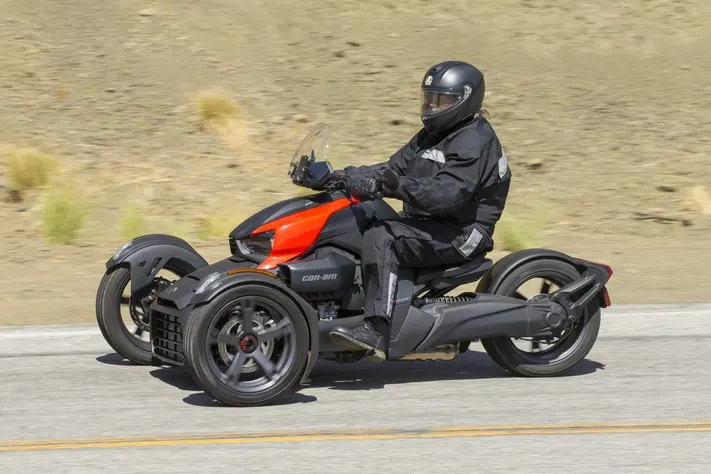
The 2019 Ryker draws the most criticism of any year in the lineup. It was the first production model, and BRP was still sorting out real-world feedback from a machine that had never been in customers’ hands before.
The most reported complaints on 2019 Rykers involve erratic ECU behavior, steering feel that owners described as inconsistent, and suspension calibration that felt underdeveloped compared to later revisions (Engine Patrol, 2024). The seat height on early units also drew complaints from shorter riders, an issue BRP addressed with ergonomic updates in subsequent years.
Some 2019-specific ECU complaints involve false fault codes triggering the Vehicle Stability System (VSS) to activate limp mode — a condition where the Ryker cuts power and won’t restart until the code is cleared at a dealership. While this issue appeared across other years too, 2019 units reported it more frequently and with less consistent dealer fixes, partly because BRP’s service network was still getting up to speed on Ryker diagnostics.
BRP did push ECU software updates through dealerships that resolved many of these problems. If a 2019 Ryker has been serviced regularly and has received all software updates, the specific first-year complaints are less likely to still be active. But on a used buy, you can’t always verify that service history — and 2022+ units don’t carry that uncertainty.
The 2019-2023 Wiring Harness Recall: 46,119 Rykers Affected
This is the largest recall in Ryker history and it touches nearly every model year produced. In October 2022, BRP filed a safety recall with NHTSA covering 46,119 US Rykers built from March 2018 through October 2022, spanning model years 2019 to 2023 (NHTSA, October 2022).
The problem: the position light and flasher electrical harnesses in the front fenders could be improperly routed from the factory. If loose, they could rub against the front tires, eventually wearing through the insulation and causing a short circuit. That short would blow fuse number seven — and with fuse seven gone, the engine stalls while riding and won’t restart. The VSS and ABS also go offline.
BRP’s fix was to re-route and secure the harnesses with tie-wrap attachments inside the fenders. It doesn’t require parts replacement, just a corrected installation — dealers reported the repair taking under an hour. The work is free at any authorized BRP dealer (BRP Safety Recall Notice, 2022).
Before buying any used Ryker from 2019 through early 2023, run the VIN at nhtsa.gov to confirm this recall is closed. A Ryker that stalls mid-ride with no restart capability is a real safety hazard.
The 2019-2023 Fuel Pump Recall: Nearly the Whole US Fleet
In December 2023, BRP filed another significant recall — this one covering approximately 10,969 Rykers in the US, representing about 95 percent of units produced from model years 2019 through 2023 (BRP Bulletin 2023-10, December 2023).
The cause was a faulty high-pressure fuel pump supplied by a component manufacturer. An impeller in the pump could swell, causing the pump to fail while riding. A failed fuel pump means the engine stalls in traffic. BRP reported no accidents related to the defect at the time of the recall filing, but the risk was clear enough to pull nearly the entire five-year production run back to dealers.
The fix is a dealer inspection followed by replacement of the fuel pump if it falls within the recalled lot numbers — free of charge. Owner notifications were mailed beginning February 27, 2024 (NHTSA, 2024). Importantly, BRP also noted that even 2024 models could be at risk if the bike had been serviced and received a recalled pump during a repair.
This recall covers a wide enough production window that any used Ryker you look at needs a VIN check before purchase. Don’t assume a dealer already handled it; verify.
The 2022-2023 Brake Light Recall: 18,779 Rykers
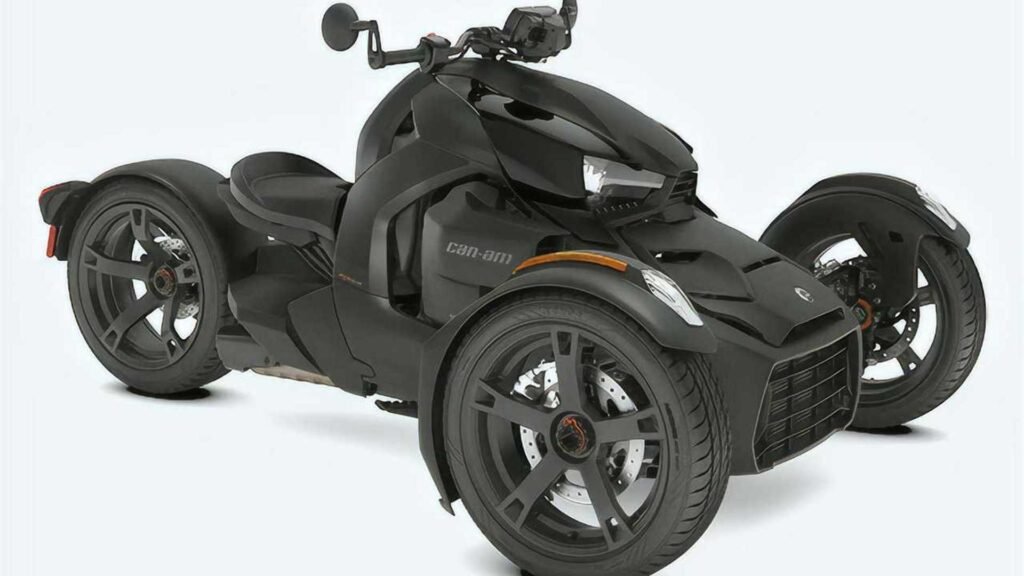
If you’re specifically looking at 2022 or 2023 Rykers, there’s an additional recall to check. In March 2023, BRP recalled 18,779 Rykers produced between February 25, 2021 and March 10, 2023 over a brake light switch fault (NHTSA, March 2023).
On affected units, the brake lights could stay illuminated even when the rider wasn’t pressing the pedal. A corrosion issue in the older brake light switch design let moisture in over time, triggering the lights to stay on. That’s a real safety problem — following drivers expecting a braking signal that isn’t actually happening. The fix depends on the specific unit: dealers replaced the switch, adjusted it, or added a spring to correct the fault, all free of charge.
The 2022 model year also had a separate, smaller recall involving a handlebar issue on certain units. That recall covered a loose or fractured steering system screw that could cause sudden loss of steering control (RideApart, 2022). The scope was narrower than the wiring harness and fuel pump recalls, but it’s worth confirming VIN status before buying a 2022.
VSS Limp Mode and CVT Clunk: Problems That Span All Years
Two issues follow the Ryker across every model year and deserve separate attention because they aren’t tied to a specific recall — they’re inherent characteristics of the platform.
VSS limp mode happens when the Ryker’s Vehicle Stability System receives a fault signal — typically from a wheel speed sensor, yaw sensor, or a battery voltage drop — and cuts power to protect the drivetrain. A weak battery, dirty sensor, or even resting a foot on the brake pedal while riding can trigger it (Can-Am Ryker Forums, 2019). Most cases clear with a battery disconnect and reconnect. Persistent codes C006C or C0063 usually point to a yaw sensor fault and require dealer diagnostics.
CVT drivetrain clunk is the metallic clunking sound the belt-driven CVT makes when engaging from a stop or returning to idle from throttle. BRP and experienced Ryker owners acknowledge this as normal belt-and-clutch engagement noise that diminishes as the drivetrain breaks in. A louder, more aggressive clunk from pulley springs that are out of adjustment is a different issue — some early units left dealers with the spring tension set incorrectly, causing the drive sheaves to work against each other and delay belt engagement (Engine Patrol, 2024). If a used Ryker produces a sharp, persistent clunk on every throttle input, have a BRP dealer inspect the CVT clutch assembly before you commit.
The Best Can-Am Ryker Years to Buy
The 2022 and 2023 Rykers are the strongest used buys right now, assuming recalls have been completed. The 2022 model year began what SpyderLovers forum members describe as the second-generation Rally variant, with revised suspension calibration and cruise control added as standard on the Sport and Rally trims. Owners who have ridden both a 2020 and a 2023 consistently report the 2023’s suspension as a noticeable improvement (SpyderLovers, 2024).
The 2020 Ryker Rally 900 also earned a solid reputation, particularly for its four ride modes (eco, standard, sport, rally) that made it easier to manage compared to the 2019 (Engine Patrol, 2024). If you find a clean 2020 or 2021 with low miles, a verifiable service record, and all recalls confirmed closed at nhtsa.gov, it’s a reasonable buy.
Avoid any Ryker — regardless of year — where you can’t verify recall completion. The wiring harness and fuel pump recalls in particular are safety-relevant, not just warranty paperwork.
Frequently Asked Questions About Can-Am Ryker Years to Avoid
What is the worst year for the Can-Am Ryker?
The 2019 model year draws the most complaints of any Ryker. As the first production year, it had the highest rates of ECU fault codes, VSS limp mode, and suspension-related owner complaints. BRP issued software updates through dealers that addressed many 2019-specific issues, but a 2019 with spotty service history carries more uncertainty than later years (Engine Patrol, 2024).### Are all Can-Am Rykers from 2019 to 2023 covered by recalls?
Yes, in one form or another. The wiring harness recall affected Rykers built from March 2018 through October 2022 (46,119 US units), and the fuel pump recall covered approximately 95 percent of 2019-2023 US models (BRP Bulletin 2023-10, 2023). The brake light recall added coverage for 2022-2023 units. Always run a used Ryker’s VIN at nhtsa.gov before buying to see what, if anything, remains open.
Is the Can-Am Ryker generally reliable after recalls are addressed?
Yes. Once safety recalls are completed and the owner follows the maintenance schedule, the Ryker is considered generally reliable. The Rotax 600 ACE and 900 ACE engines have a proven track record from BRP’s snowmobile lineup. Owners report reaching well past 30,000 miles without major failures when CVT servicing, oil changes, and brake fluid flushes are kept current (Engine Patrol, 2024).
What is VSS limp mode on a Can-Am Ryker and how do I fix it?
VSS limp mode is a protective state the Ryker enters when its Vehicle Stability System detects a sensor fault. The ECU cuts power to avoid potential drivetrain damage. Common triggers include a weak battery, dirty wheel speed sensors, and loose sensor wiring. Try a 10-15 minute battery disconnect to reset the system. If the fault codes C006C or C0063 return, take the Ryker to a BRP dealer for a diagnostic scan — the yaw sensor or its wiring harness is likely the cause (Engine Patrol, 2024).
What is the best used Can-Am Ryker to buy right now?
A 2022 or 2023 Ryker with confirmed recall completion and a documented service history is the safest used purchase. The 2022 model brought suspension improvements and added standard cruise control on Rally and Sport trims. If budget is the priority, a well-maintained 2020 Ryker Rally 900 with all recalls addressed is also a strong option. Skip any used Ryker where the seller can’t confirm VIN recall status — the fuel pump and wiring harness issues are too significant to ignore.