
Harley-Davidson Motorcycles Years to Avoid
TL;DR
- The three eras to avoid are the AMF period (1969-1981), the first-generation Twin Cam 88 (1999-2005), and the early Milwaukee-Eight (2017-2019).
- Twin Cam 88 engines from 1999-2005 have plastic cam chain tensioners that can shred into the oil pump and destroy the engine with no warning.
- Early Milwaukee-Eight models (2017-2019) suffer from oil sumping, where oil pools in the crankcase instead of returning to the tank, causing power loss and potential engine damage.
- AMF-era bikes (1969-1981) have documented oil leaks, weak electrical systems, and assembly issues that make them a restoration project, not a daily rider.
- Post-2007 Twin Cam 96 and 103 models and post-2020 Milwaukee-Eight bikes are where the value is for most used buyers.
The Short Answer: Which Harley Years Are Actually Problematic?
Three eras dominate every honest conversation about Harley reliability: the AMF ownership years (1969-1981), the early Twin Cam 88 years (1999-2005), and the first production years of the Milwaukee-Eight (2017-2019). Each era has specific, documented mechanical failures that can cost thousands to repair or result in total engine loss.
That doesn’t mean every bike from these periods is junk. A well-maintained 2002 Twin Cam 88 with a gear-drive kit and hydraulic tensioner swap can be a solid machine. But buying one without verifying those upgrades is a gamble most buyers shouldn’t take on a used bike in the $8,000-$15,000 range.
Quick Reference: Harley-Davidson Years and Eras to Avoid
| Era | Years | Engine | Primary Problem |
|---|---|---|---|
| AMF Ownership | 1969-1981 | Shovelhead, early Ironhead | Assembly quality, oil leaks, electrical failures |
| Early Twin Cam 88 | 1999-2005 | Twin Cam 88 | Plastic cam tensioner failure, crankshaft runout |
| Twin Cam transition | 2006-2007 | Twin Cam 88/96 | Tensioner issues partially addressed, crank runout |
| Early Milwaukee-Eight | 2017-2019 | M8 107/114 | Oil sumping, oil cooler line recall |
| Generally Reliable | 2008-2016 | Twin Cam 96/103 | Few systemic issues; inspect normally |
| Generally Reliable | 2020+ | Milwaukee-Eight | Improved oil pump design |
Why the AMF Era (1969-1981) Is Still Worth Avoiding
AMF – American Machine and Foundry – bought Harley-Davidson in 1969 and ran it until 1981. Quality control deteriorated steadily over that period: production volume went up while assembly standards went down. The result was a run of motorcycles that earned a brutal reputation the brand spent the next decade recovering from.
The specific problems are well-documented. Oil leaks were common – not just nuisance seepage but puddle-under-the-bike leaks from poorly seated gaskets and inconsistent machining tolerances. Electrical systems were unreliable, with wiring harness and charging system failures that stranded riders regularly. Chrome plating quality dropped. Bolts left the factory undertorqued. Riders of the era coined the phrase “buy it new, fix it immediately.”
These bikes can be made reliable with proper restoration work. A fully rebuilt AMF-era Shovelhead with fresh gaskets, upgraded electrics, and careful assembly can be a satisfying machine. But walk into that purchase with clear eyes – you’re buying a project, not a rider. Skip 1969-1981 if you want something you’ll put miles on without a weeks-long wrenching session first, and look at Evolution-engine bikes from 1984 onward.
The Twin Cam 88 Problem Years (1999-2005): The Tensioner Time Bomb

The Twin Cam 88 engine launched in 1999 as the successor to the Evolution motor. Harley bumped displacement from 1,340cc to 1,450cc, switched from a gear-driven cam system to a chain-driven setup, and changed the crankshaft design to use a single crank pin holding both flywheel halves together. Together, those changes created two serious and related failure modes.
Cam chain tensioner failure is the headline problem. The original spring-loaded tensioner shoes were made of plastic. As they wore – sometimes as early as 7,000-15,000 miles – the shoes began shedding material directly into the oil pump. That debris could clog the pump, cut oil pressure, and destroy the engine while the bike is moving, with no warning (Law Abiding Biker, 2015). A complete engine replacement is the worst-case outcome. Dealer estimates for inspection, tensioner replacement, and upgrades ranged from $700 to $1,600+ depending on what was found inside.
Crankshaft runout is the second issue. Harley’s single crank pin design meant tiny manufacturing tolerances mattered enormously. When the pin warped – which it did – the crankshaft would begin rotating off-axis, creating vibration and accelerating wear on everything downstream. By 2006 for Dyna models and 2007 for Touring models, Harley had redesigned to hydraulic tensioners with better materials (V-Twin Forum, 2008). That was too late for the 1999-2005 fleet.
If you’re looking at a used Twin Cam 88 from these years: has the tensioner been upgraded to hydraulic or gear-drive? Has the crank been inspected and, if needed, welded? If the seller can’t answer both questions with documentation, factor a $1,200-$2,000 preventive repair into your offer price or walk.
Early Milwaukee-Eight Issues (2017-2019): Oil Sumping and the Cooling Line Recall
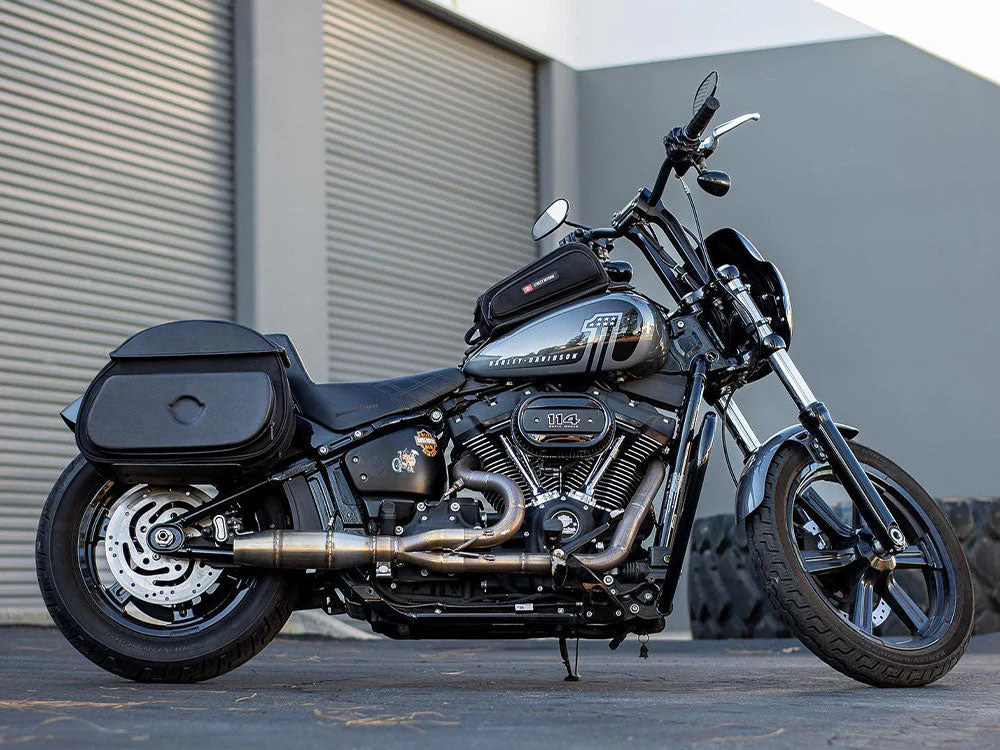
The Milwaukee-Eight (M8) engine arrived in 2017 as a genuine improvement over the Twin Cam – more displacement, four valves per cylinder, better thermal management. But the first production years had specific problems that make 2017-2019 M8 bikes worth scrutinizing before buying used.
Oil sumping is the most widespread complaint. When the engine sits or runs at sustained highway speeds, oil migrates from the tank into the crankcase rather than returning to the tank through the oil pump (VikingBags, 2025). When you start the bike, the flywheel churns that pooled oil into foam. Aerated oil provides almost no lubrication – the symptoms are power loss, excessive oil consumption, oil blowing from the breather, and in severe cases, accelerated wear. Harley redesigned the oil pump in later production to address the issue, making post-2020 M8 bikes a safer used buy than the 2017-2019 examples.
The oil cooler line recall is separate and easier to verify. Harley issued NHTSA Recall 17V-333 in June 2017 covering multiple 2017 Touring models including the FLHX, FLTRX, FLHR, FLHTCU, and related variants (NHTSA, 2017). The oil cooling line clamp was improperly installed at the factory and the line could detach suddenly, dumping engine oil at highway speed. The fix is a simple clamp replacement at the dealer – but verify the recall work was completed using the VIN at NHTSA.gov before you buy.
Model-Specific Years Worth Calling Out
Beyond the three major eras, a few specific model years have outsized complaint records.
The 2010 Electra Glide Ultra Classic is frequently flagged for transmission and engine issues. The 2009 Electra Glide Standard had persistent electrical problems and oil leaks. For Road King buyers, 2004-2007 are the years most often cited for cam tensioner failures causing significant engine damage – the Road King was among the models that went longest without the hydraulic tensioner update (Iron Horse Rebels, 2025). Road Glide buyers should treat 2009-2013 with extra scrutiny, with frame and swingarm concerns reported at highway speed in those years plus ongoing Twin Cam tensioner exposure at the earlier end of that range.
| Model | Years to Scrutinize | Main Issue |
|---|---|---|
| Electra Glide Ultra Classic | 2010 | Transmission, engine |
| Electra Glide Standard | 2009 | Electrical, oil leaks |
| Road King | 2004-2007 | Twin Cam tensioner damage |
| Road Glide | 2009-2013 | Frame/swingarm, tensioner |
| Street Glide | 2017-2018 | M8 oil sumping, cooling line recall |
Where the Reliable Used Harleys Actually Are
The Evolution engine era (1984-1999) is where many experienced buyers head for a classic-looking Harley without Twin Cam headaches. The Evo uses a gear-driven cam system – no chain, no plastic tensioners – and its simpler architecture keeps repair costs down. Models from 1988-1999 are particularly well-regarded, and 1991+ Sportsters added a 5-speed transmission and belt final drive.
For modern bikes, post-2007 Twin Cam 96 and 103 models are the sweet spot on the used market. Harley addressed the tensioner design by 2007 (Dyna) and 2008 (Touring and Softail), and the 103 cubic inch versions from 2010 onward have earned a strong reputation – some Road Kings have cracked 100,000 miles on the original drivetrain. Milwaukee-Eight bikes from 2020 onward benefit from the revised oil pump design.
What to Check Before Buying Any Used Harley
A pre-purchase inspection covers most of the risk regardless of year. These are the non-negotiable checkpoints:
- VIN recall check: Run the VIN at NHTSA.gov before you hand over a dollar. Three minutes and catches open safety recalls.
- Cam chest inspection (1999-2006 Twin Cam 88): Ask whether the tensioner has been upgraded to hydraulic or gear-drive. Get documentation.
- Crank runout (1999-2006): Ask whether the crank has been inspected and, if needed, welded. No history means unknown quantity – price accordingly.
- Oil level check (2017-2019 M8): Check oil level before startup and again immediately after a cold start. A significant drop means oil migrated into the crankcase overnight – a sumping indicator.
- Service records: No records on a high-mileage bike means you’re guessing. Walk away or discount hard.
- Independent inspection: $100-$150 from a trusted independent shop catches cam noise, oil pressure issues, and electrical gremlins a seller won’t mention.
Frequently Asked Questions About Harley-Davidson Years to Avoid
What is the single worst year for Harley-Davidson reliability?
There’s no single worst year, but 1999 is the most frequently cited. The Twin Cam 88 launched with plastic cam tensioners in their original, unproven form plus the new single-pin crankshaft design. Early 1999 Touring and Dyna models logged cam bearing and tensioner failures faster than any other year in the Twin Cam era.
Are AMF Harleys worth buying at all?
An AMF-era Harley (1969-1981) makes sense only if the price reflects what it is: a project, not a daily rider. Expect to address oil leaks, electrical upgrades, and assembly issues as baseline work. At the right price – well below comparable Evolution-era bikes – they work for a dedicated builder. At daily-rider prices, they don’t.
Did Harley ever fix the Twin Cam 88 tensioner problem?
Yes, partially. Starting with the 2006 Dyna and spreading to the rest of the lineup by 2007-2008, Harley switched to hydraulic tensioners with better materials. Many experienced technicians consider it a delay rather than a permanent fix. A gear-drive conversion using kits from S&S Cycle or Andrews Products eliminates the cam chain entirely and is the preferred solution for high-mileage riders.
Is the Milwaukee-Eight a reliable engine overall?
The Milwaukee-Eight is a better engine than the Twin Cam – more displacement, more power, better thermal management. The oil sumping issue that affected 2017-2019 bikes was addressed in later production, and post-2020 examples have a much cleaner track record. On a 2017-2019 M8, verify recall work was completed and check for sumping symptoms before buying.
What years are the best Harley-Davidsons to buy used?
For touring buyers, the Twin Cam 103 era from 2010-2016 is the consistent recommendation. Evolution-engine Sportsters from 1994-2006 are also popular for their simplicity – many have logged 60,000-80,000 miles with routine maintenance. Milwaukee-Eight models from 2020 onward are the safest entry point into the current generation.


