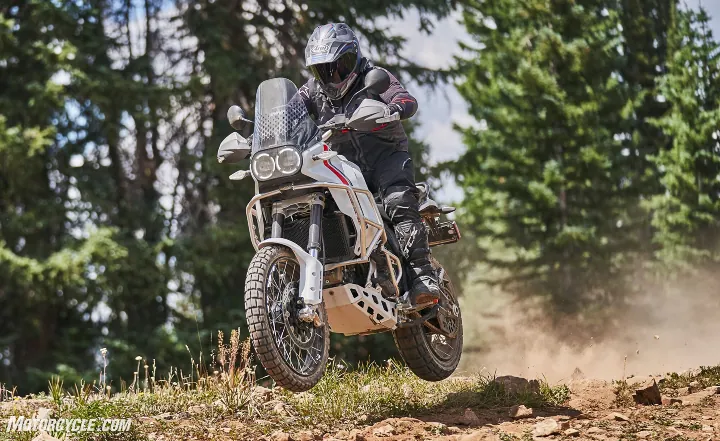
Suzuki Motorcycles Years to Avoid
TL;DR
- The most widespread Suzuki recall covered 2008-2012 model years across 11 different models for a regulator/rectifier circuit board defect that caused stalling.
- On the GSX-R600 and GSX-R750, the 2006-2007 model years have a well-documented rectifier location problem; the unit sits too close to the engine and burns out prematurely even on bikes with low mileage.
- The 2011-2014 GSX-R750 and 2009-2014 GSX-R1000 were recalled for a chain adjuster defect that could drop the chain and cause a crash.
- First-generation Hayabusas built before 2003 had aluminum subframes prone to cracking; Suzuki fixed this with a steel subframe from 2001 onward, but early 1999-2000 bikes should be inspected carefully.
- Suzuki is generally a reliable brand — most of the issues below are fixable, and many unresolved recalls can be checked free at safercar.gov before you buy.
Why Some Suzuki Years Carry More Risk Than Others
Suzuki has a strong reputation for long-lasting engines. The SV650 regularly runs past 80,000 miles with basic maintenance, and the V-Strom 650 is practically unkillable if you change the oil. But “reliable brand” doesn’t mean every model year is equally safe to buy used. Electrical system problems, a botched rectifier placement, and a handful of genuine safety recalls have marked certain model years as higher risk.
This guide covers the Suzuki models most commonly searched by used buyers in the US, the specific years with documented problems, and what those problems mean for your wallet and your safety.
Suzuki Model Years to Avoid at a Glance
| Model | Years to Approach with Caution | Primary Issue |
|---|---|---|
| GSX-R600 | 2006-2007 | Rectifier location causes premature burnout |
| GSX-R750 | 2006-2007, 2011-2014 | Rectifier failure; chain adjuster recall |
| GSX-R1000 | 2007, 2008-2012, 2009-2014 | Rotor bolt, rectifier, chain adjuster recalls |
| Hayabusa (Gen 1) | 1999-2000 | Aluminum subframe, cam chain tensioner, fuel filter |
| SV650 (Gen 2) | 2003 (first year) | First-year quirks; minor parts differences |
| V-Strom 1000 | 2002-2012 (Gen 1) | Dated electronics, no ABS option until later |
GSX-R600 and GSX-R750: The 2006-2007 Rectifier Problem
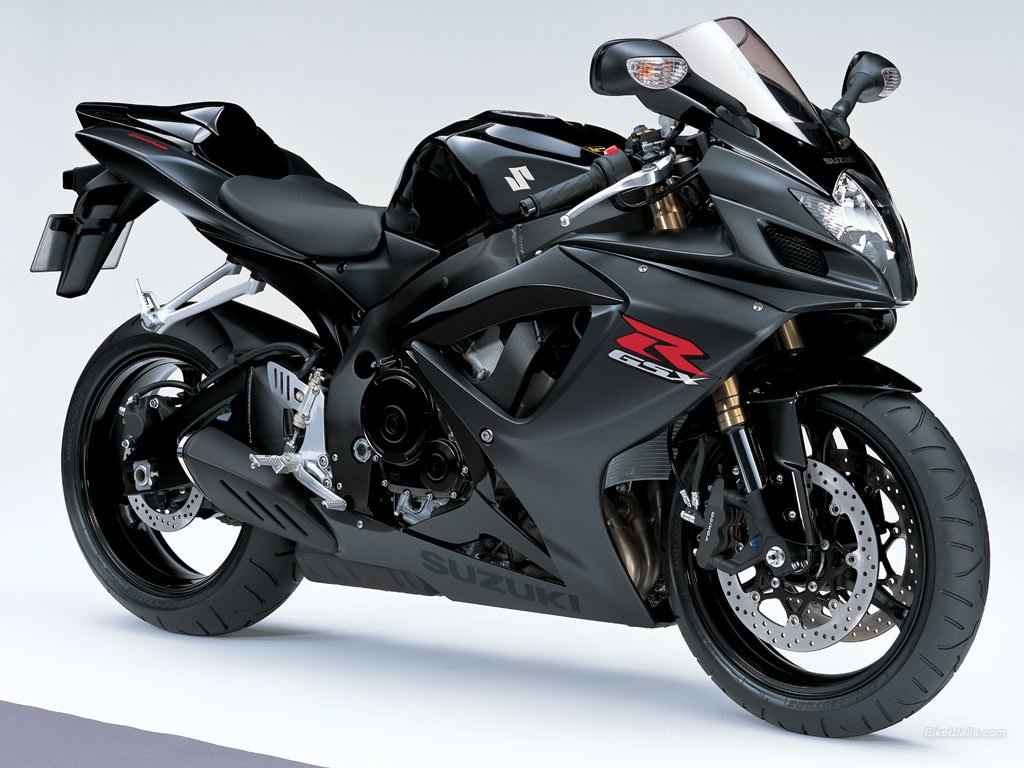
Skip the 2006 and 2007 GSX-R600 and GSX-R750 unless you can confirm the rectifier has already been relocated. These are the K6 and K7 generations, and their charging system has a fundamental design flaw: the rectifier/regulator (R/R) is mounted directly behind the radiator, right next to the engine. That location means it cooks from engine heat rather than getting cooled by airflow, and it fails even on low-mileage bikes. Riders on gixxer.com have reported burnouts at 19,000 miles, 25,000 km, and less.
There is no official NHTSA recall on the K6/K7 rectifier placement itself — Suzuki fixed the mounting position on the K8 (2008) without issuing a formal recall for earlier years. If you’re buying a 2006 or 2007 Gixxer, check whether the R/R has been relocated to the side of the frame. That’s the fix. A stock-location unit on a used bike is a future bill, not a question of if.
The 2007 GSX-R600 also had a front brake master cylinder with a spring coating that reacted with brake fluid over time, generating gas bubbles and reducing brake pressure. Suzuki extended this into a formal recall covering 2004-2013 GSX-R600 and GSX-R750 models — NHTSA Campaign 13V449000, issued November 2013, affecting 208,966 units. The fix is a free master cylinder replacement at any Suzuki dealer. If a used K6 or K7 you’re looking at hasn’t had this done, factor it in.
GSX-R750 2011-2014 and GSX-R1000 2009-2014: Chain Adjuster Recall
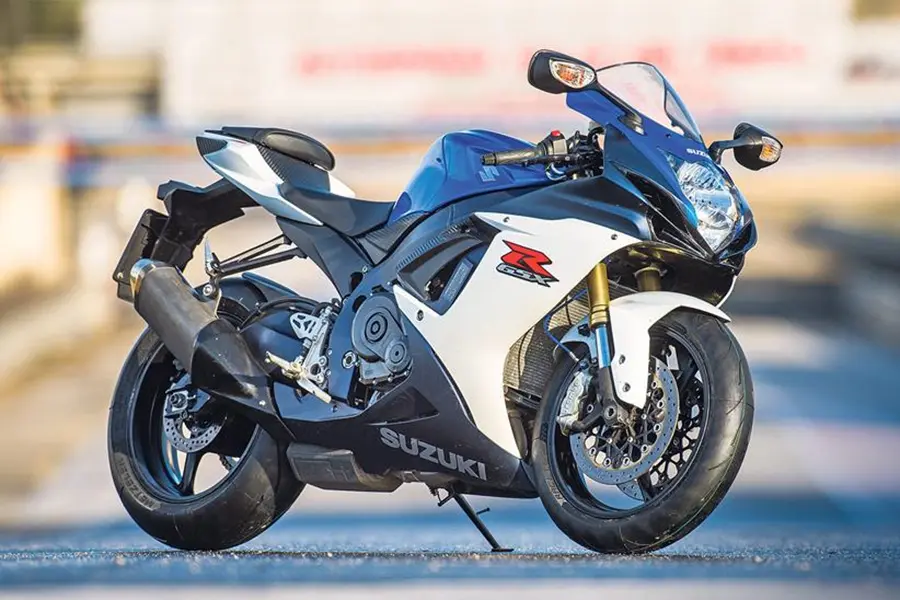
These years have a documented safety recall that’s worth checking before any purchase. NHTSA Campaign 14V629000 (October 2014) covered 23,073 units of the GSX-R750 (2011-2014) and GSX-R1000 (2009-2014). The problem: a missed upshift puts extreme strain on the drive chain, which can move the rear axle and damage the left-side chain adjuster. If the adjuster breaks, the chain can come off entirely — meaning zero rear-wheel power at speed, which is a crash scenario.
Suzuki’s remedy was a free replacement of the chain adjuster with an improved part. Most bikes in this range have had it done by now, but not all. Before buying any GSX-R in this window, pull the VIN and run it at safercar.gov. The lookup is free and takes 90 seconds.
Multiple Models 2008-2012: The Rectifier Recall That Covered 11 Lines
NHTSA Campaign 16V018000 (2016) recalled 68,344 units across 11 Suzuki models for a defective regulator/rectifier circuit board. Affected bikes included the GSX-R600 (2008-2010), GSX-R750 (2008-2010), GSX1300R Hayabusa (2008-2012), and DL1000 V-Strom (2008-2012), among others. The fault caused insufficient battery charging and engine stall while riding — a crash risk.
The fix is free: dealers replace the R/R at no cost. The question for used buyers is whether it’s been done on the specific bike you’re looking at. Run the VIN at safercar.gov before any offer.
Hayabusa Gen 1: The 1999-2000 Years to Watch
The first-generation GSX1300R Hayabusa (1999-2007) is an extraordinarily reliable machine by any measure, but the absolute earliest examples from 1999 and 2000 have several known weak points that Suzuki corrected in subsequent model years. (Bennetts BikeSocial, 2019)
The 1999-2000 subframe is aluminum and prone to cracking under load, especially on bikes that have carried heavy luggage or aftermarket exhausts. Suzuki revised this to a steel subframe for 2001. Many 1999-2000 bikes have since had steel subframes retrofitted — you can check with a magnet on the tubes. Early cam chain tensioners also failed on some bikes; improved replacements are identifiable by a pink dot marking on the unit.
Fuel filters on early Gen 1 bikes clogged more readily than later versions, which caused the fuel pump to overheat. Most have been addressed by now through wear-and-replace cycles, but any early Busa you’re inspecting should have its fuel system checked.
By 2003, Suzuki had addressed these known issues — the subframe, the cam chain tensioner, and the fuel system had all been updated, and the ECU moved from 16-bit to 32-bit processing. If you want a Gen 1 Busa, the 2003-2007 range is the cleaner buy.
The 2013 Hayabusa ABS model (GSX1300RA) had a separate recall — NHTSA 13V312000 — for an ABS manufacturing error that could cause wheel lockup. Suzuki replaced the ABS units for free. Verify it’s been done on any 2013 ABS Busa you consider.
SV650 Gen 2: Why 2003 Gets Flagged
The SV650 is one of the most reliable motorcycles Suzuki has built. The second generation launched in 2003 with fuel injection replacing the original carburetors, and it’s a genuinely excellent machine. But 2003 is the first year of a new generation, and first-year bikes always carry slightly more risk — parts tolerances weren’t fully dialed in, and some 2003 SV650s show more electrical and mechanical oddities than 2004-and-later examples. (Engine Patrol, 2024)
The 2003 also has slightly different parts than 2004 onward, which can make sourcing some components marginally more annoying. From 2004, parts are consistent across the entire second-gen run. A clean, well-maintained 2003 SV650 is still a solid purchase. The advice is simply to choose 2004+ if you’re comparing otherwise equal options.
V-Strom 1000 Gen 1: 2002-2012 vs. the Updated Platform
The Gen 1 DL1000 V-Strom (2002-2012) is a capable adventure bike, but it’s also dated compared to the 2014-onward platform, which Suzuki essentially redesigned from the ground up. Community consensus on stromtrooper.com points buyers toward 2014+ for the DL1000 to get the improved chassis, updated suspension, and better electronics. The Gen 1 models also fall within the 2008-2012 rectifier recall window (NHTSA 16V018000), so VIN verification matters here too.
The DL650 V-Strom is a different story. There’s no generation of the 650 that riders specifically warn against. The 2012-and-up models added ABS as standard, which is worth having — but the 2004-2011 bikes with a clean service history are solid used buys.
What to Check Before Buying Any Used Suzuki
Run every used Suzuki through these four checks before money changes hands.
Pull the VIN at safercar.gov. Open recalls are free to fix at any Suzuki dealer, but you want to know what’s outstanding before you negotiate.
Check the charging system on any GSX-R from 2006-2012. Connect a multimeter across the battery terminals and check voltage at idle and at 5,000 rpm. You should see 13.8-14.4 volts at 5k rpm. Anything less points to a compromised stator, rectifier, or both.
Inspect the front brake master cylinder on any GSX-R600 or GSX-R750 from 2004-2013. If NHTSA Campaign 13V449000 hasn’t been completed, brakes may feel spongy with degraded fluid. It’s a free fix at the dealer — but confirm it’s done before riding.
On early Hayabusas, check the subframe with a magnet. Steel is the safe version; aluminum needs a close look for cracks around the welds near the seat rail and tail section.
Frequently Asked Questions About Suzuki Motorcycles Years to Avoid
What year GSX-R should I avoid?
The 2006 and 2007 GSX-R600 and GSX-R750 carry the most rider-reported issues due to a poorly positioned rectifier/regulator that burns out from engine heat. These years also have a brake master cylinder recall (NHTSA 13V449000). For the GSX-R750 and GSX-R1000, the 2011-2014 and 2009-2014 model years respectively have a chain adjuster recall (NHTSA 14V629000) worth verifying before purchase.
Are Suzuki motorcycles generally reliable?
Yes — Suzuki has a strong reputation for long-engine life, particularly on models like the SV650, V-Strom 650, and Hayabusa. Most of the issues in this guide are specific model-year problems tied to documented recalls or known design oversights, not brand-wide failures. A well-maintained Suzuki from a good model year is a solid used buy.
How do I check if a used Suzuki has open recalls?
Go to safercar.gov, enter the 17-character VIN, and the NHTSA database will show any open recalls on that specific bike. The lookup is free. Open recalls are repaired at no cost by any authorized Suzuki dealer. This takes 90 seconds and should be a non-negotiable step before buying any used motorcycle.
Is the first-generation Hayabusa reliable?
The 1999-2007 Hayabusa engine is widely considered bulletproof, but 1999-2000 examples have three known issues: an aluminum subframe prone to cracking, cam chain tensioner failures, and a fuel filter that causes the pump to overheat when blocked. Suzuki fixed all three by 2003. For a Gen 1 Busa, the 2003-2007 years are the cleaner, lower-risk choice.
What is the best used Suzuki to buy for reliability?
The SV650 (2004 and later, second generation) and the V-Strom 650 are consistently rated among the most reliable motorcycles in the used market by riders and mechanics alike. Both have long service intervals, straightforward maintenance, strong parts availability, and proven V-twin engines that regularly reach 80,000+ miles. Verify any open recalls with the VIN, and either one is a strong used buy.