Royal Enfield Motorcycles Years to Avoid
TL;DR
- Avoid any Royal Enfield built before 2008 unless you have the mechanical skill and patience to keep a temperamental old single running.
- The first-generation Himalayan (2016) had serious early build quality issues — wiring, clutch failures, fuel delivery — and production was paused mid-2017 for a major quality overhaul.
- The 2017-2021 Himalayan and 2018-2020 Interceptor 650 / Continental GT 650 are subject to NHTSA recall SC-28 (brake caliper corrosion); confirm recall work is complete before buying any used example.
- Late 2021 Classic 350 models (single-channel ABS, rear drum, manufactured September-December 2021) are subject to a separate brake bracket recall covering 26,300 units.
- The safest used buys in the lineup are post-2017 Himalayans with confirmed recall completion, 2021+ 650 Twins, and 2022+ Classic 350 / Hunter 350 models.
Why Royal Enfield Has a Reliability Reputation Problem
Royal Enfield’s reliability has genuinely improved over the past decade, but the brand’s history is patchy enough that the model year and specific generation matter more than the nameplate alone. The same model name can represent a bike that runs 70,000 miles with routine maintenance or one that visits the dealer every few thousand miles. Knowing which production windows to skip when shopping used can save you real money and frustration.
The good news: most of the problem eras are well-documented. NHTSA recall records, owner forums, and press reviews draw a clear line between the troubled years and the ones worth buying.
Quick-Reference: Royal Enfield Problem Years by Model
| Model | Years to Avoid | Primary Issue |
|---|---|---|
| Bullet / Classic 500 (pre-UCE) | Pre-2008 | Old cast-iron engine, severe electrical gremlins, heavy maintenance |
| All models (early UCE) | 2008-2012 | UCE transition teething issues, oil leaks, electrical wiring |
| Himalayan 411 (first gen) | 2016-early 2017 | Production-halt-level build quality failures |
| Himalayan 411 | 2017-2021 | NHTSA recall SC-28: brake caliper corrosion (verify before buying) |
| Interceptor 650 / Continental GT 650 | 2018-2020 | NHTSA recall 21V045: same brake caliper corrosion |
| Classic 350 | Sept-Dec 2021 | Brake reaction bracket recall (26,300 units) |
Pre-2008 Models: The Old Iron Era Is Not for Everyone
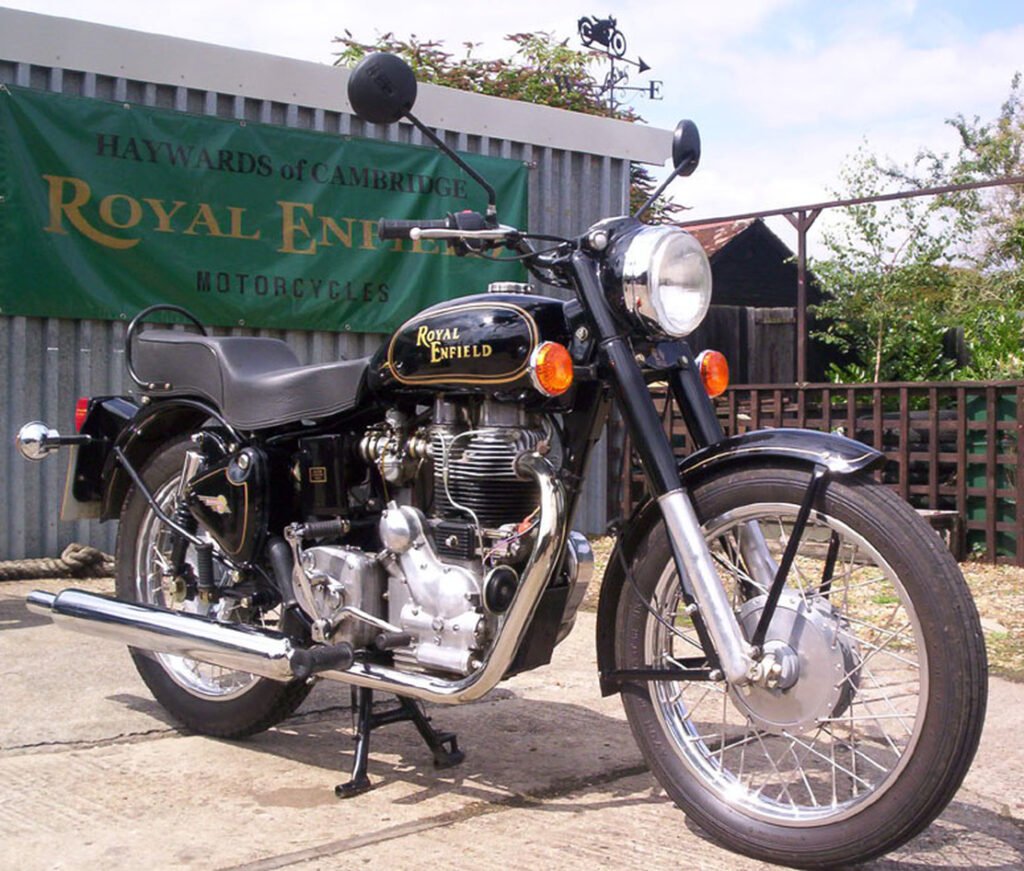
Avoid pre-2008 Royal Enfields unless you genuinely want a bike you’ll wrench on as much as ride. Before 2008, Royal Enfield ran the cast-iron “Albion” barrel engine in its 350 and 500 Bullets — a design with roots in the 1950s. Motorcyclenews described the reliability of this generation as “patchy at best, with poor electrics” (MCN, 2008). The same era bikes can be rewarding in the right hands — owners who know valve timing, tappet adjustment, and old-school points-style electrical systems — but they are not practical transport for anyone expecting Honda-level dependability.
Parts availability for pre-2008 models has also thinned significantly in the US market. Three weeks to source a basic clutch safety switch from India is not unusual (Rideapart, 2016). If you’re buying pre-2008, go in knowing this is a hobby machine, not a daily rider.
2008-2012 UCE Models: Better, But the Transition Was Rough
Royal Enfield switched to its Unit Construction Engine (UCE) in 2008 — a modern aluminum-barrel design replacing the old iron engine. The UCE was a genuine step forward, but the first four years of production had real growing pains.
Common reports from the 2008-2012 UCE era include oil seal leaks, wiring harness degradation (particularly from heat and pressure washing), and sprag clutch failures that prevent the electric starter from functioning (Motor and Wheels, 2023). The sprag clutch issue was one of the most frequently reported failures of this period: when the sprag goes, the starter motor spins without engaging the engine. Replacement isn’t catastrophic, but it’s not cheap either.
By 2013-2014, Royal Enfield had worked through most of the UCE transition problems. Used UCE bikes from 2013 onward are generally considered more reliable than the early production run, though oil leaks and electrical gremlins remain part of the Royal Enfield ownership experience at any age. These aren’t show-stoppers, but they do require regular inspection at service intervals.
2016-Early 2017 Himalayan: The Model Year to Avoid Most
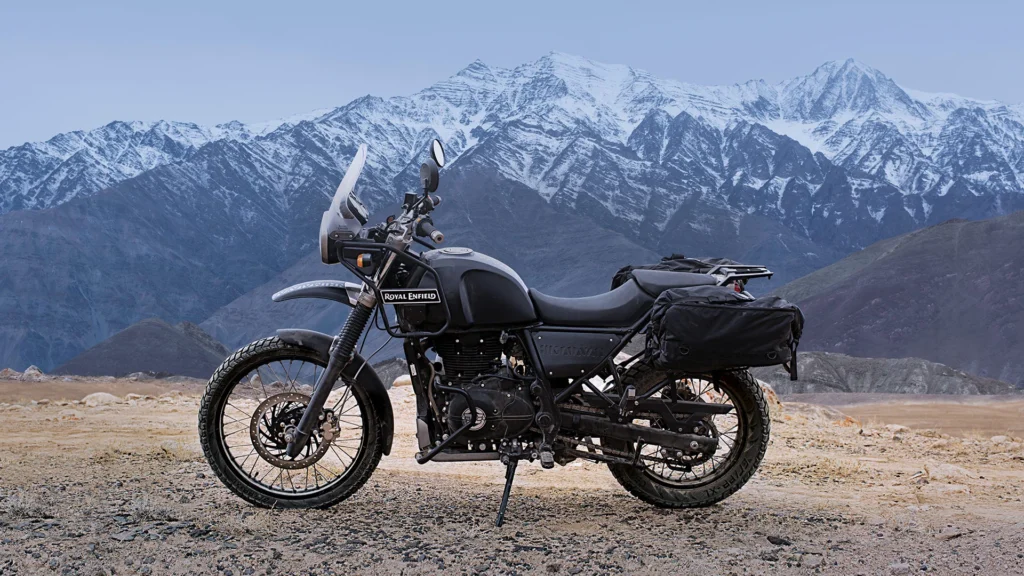
The 2016 Himalayan is the single biggest year to avoid in the current Royal Enfield lineup. When the Himalayan launched in 2016, it arrived with a wave of documented failures: wiring loom breakage, ignition coil failures, clutch pack problems, corroded fuel lines, and paint delamination on both the tank and engine cases (Bennetts BikeSocial, 2018). These weren’t isolated forum complaints — they were widespread enough that Royal Enfield halted production mid-2017 and moved manufacturing to its second factory in Oragadam, outside Chennai, to address the quality issues before continuing US deliveries (RevZilla, 2017).
If you find a 2016 Himalayan with low miles, that low mileage often tells you something: many owners parked these bikes out of frustration rather than clocking distance. A 2016 with 3,000 miles on it is not necessarily a great deal.
The post-restart 2017 Himalayans that arrived in the US after the production overhaul are meaningfully better, but they carry a separate problem covered in the next section.
2017-2021 Himalayan and 2018-2020 650 Twins: The Brake Caliper Recall
This is the most important recall to know before buying any used Royal Enfield from this era.
In February 2023, Royal Enfield notified the NHTSA of a safety defect affecting 4,891 Himalayan motorcycles from model years 2017 through 2021 (NHTSA Recall No. 23V129). The brake calipers on affected bikes — supplied by Brembo India — can corrode when exposed to road salt, leading to brake drag, reduced braking performance, or in severe cases, complete brake failure (NHTSA, 2023). Royal Enfield first became aware of the issue when a UK customer brought in a Himalayan with only 2,000 miles on the clock reporting front wheel dragging and locking (Autoevolution, 2023).
A separate but related recall (NHTSA 21V045) covers 2018-2020 Interceptor 650 and Continental GT 650 models, affecting 4,403 bikes with the same brake caliper corrosion issue.
The remedy for both recalls is free caliper replacement at any authorized Royal Enfield dealer. Before buying any used Himalayan (2017-2021) or 650 Twin (2018-2020), verify the recall work has been completed by checking the VIN against NHTSA’s database at nhtsa.gov. Do not assume the work was done just because the seller says so — pull the VIN yourself.
Late 2021 Classic 350: A Less-Known But Real Recall
The 2021 Classic 350 has its own separate issue. Royal Enfield recalled 26,300 units of the Classic 350 manufactured between September 1 and December 5, 2021, for a defective brake reaction bracket attached to the swingarm (Royal Enfield, December 2021). Under extreme rear braking, the bracket could crack, producing unusual braking noise and potentially reduced braking efficiency.
This recall applies specifically to single-channel ABS, rear drum brake Classic 350 models from that four-month production window. If you’re looking at a late 2021 Classic 350, check whether it has a rear drum brake and single-channel ABS — if so, verify the recall status before buying.
The Years Worth Buying
Once you clear the problem eras and confirmed recalls, Royal Enfield has a solid lineup of used options.
| Model | Best Years | Why |
|---|---|---|
| Classic 350 (J-platform) | 2022+ | New engine generation, improved refinement vs UCE |
| Hunter 350 | 2022+ | Clean-sheet design, fewest legacy issues |
| Himalayan 411 | 2018+ (recall verified) | Post-production-halt quality, solid trail capability |
| Himalayan 450 | 2024+ | Liquid-cooled DOHC, strongest Himalayan yet |
| Interceptor 650 / Continental GT 650 | 2021+ | Post-recall window, 650 twin is a genuinely good motor |
The 650cc parallel twin in the Interceptor and Continental GT is Royal Enfield’s best engine. Air-and-oil-cooled, SOHC, 648cc, producing around 47 hp at 7,250 rpm — it’s not a powerhouse, but it’s smooth, torquey at low revs, and has logged significant miles in the hands of owners who run it hard without major failures. A 2021 or newer example with the brake caliper recall already completed is a reasonable used buy.
The 2022+ Classic 350 and Hunter 350 run the newer J-series platform, a genuine improvement over the UCE engine in refinement and thermal management. These are the best-sorted single-cylinder Enfields the company has produced.
Frequently Asked Questions About Royal Enfield Reliability by Year
What is the most reliable Royal Enfield model to buy used?
The 2022+ Hunter 350 and 2022+ Classic 350 (J-platform) are the most reliable used options in the current lineup, with the fewest documented production problems. Among larger-displacement bikes, a 2021 or newer Interceptor 650 with confirmed brake caliper recall completion is the strongest choice. The 650 twin engine has earned a good reputation for long-term dependability when serviced on schedule.
Should I avoid all Royal Enfield Himalayans?
Not all of them. The 2016 Himalayan is the one to skip outright. Post-production-restart 2017 and newer models are mechanically better, but you need to confirm the NHTSA brake caliper recall (No. 23V129, covering 2017-2021) has been completed on any used example. A 2018+ Himalayan with verified recall work done and documented service history is a capable, affordable adventure bike.
How do I check if a used Royal Enfield has open recalls?
Go to nhtsa.gov and enter the bike’s full VIN in the recall lookup tool. This shows all open and completed federal safety recalls. Do this before agreeing to any purchase price — an open recall isn’t necessarily a deal-breaker, but it gives you negotiating room and tells you the bike needs dealer service before it’s road-safe.
What are the most common problems on Royal Enfield motorcycles regardless of year?
Oil leaks (typically from the engine oil seals), electrical gremlins (wiring harness degradation, faulty turn signal relays), sprag clutch wear, and rust on unpainted ferrous components are the most consistent complaints across the Royal Enfield lineup regardless of generation (Motor and Wheels, 2023). None of these are catastrophic, but they do require regular inspection — Royal Enfield ownership rewards riders who check fluid levels, inspect wiring connections, and address small issues before they compound.
Is it worth buying a Royal Enfield in the US, given the dealer network?
The US Royal Enfield dealer network has grown substantially since 2017, when Rod Copes and the North American leadership team made dealer support a stated priority (RevZilla, 2017). For major service or recall work, verify your nearest authorized dealer’s distance and reputation before buying. Parts for newer models (2018+) are generally available within a reasonable timeframe. Pre-2016 models can face longer parts lead times due to lower US sales volume in that era.