Zero Motorcycles Years to Avoid
TL;DR
- The 2013 and 2014 model years are the highest-risk buys — FastAce fork failures, early BMS hardware with no dielectric grease, and brake squeal from underspec calipers were never fully resolved.
- The 2015 Zero SR is a border-line year: improved battery cells but still on the older S-platform chassis with limited dealer support for aging components.
- 2020 SR/F and SR/S motorcycles built before December 19, 2019, had loose rear rotor bolts; 659 units from the February–June 2020 production run also had a brake switch defect.
- 2021 model year bikes across multiple models shipped with a DC-DC converter that could cut power to lights, ABS, and instruments simultaneously.
- The 2022 SR, SR/F, and SR/S had incorrect rear brake pads from the factory, failing to comply with FMVSS 122.
What Makes a Zero a Problem Buy — and What Doesn’t
Zero Motorcycles, founded in Santa Cruz in 2006, builds the most widely available electric street motorcycles in the US. An electric drivetrain means no clutch, no gearbox, no oil changes, and no valves to shim. That simplicity is real. What the simplicity argument misses is that a Zero’s failure modes are entirely different from a gas bike — and often harder for independent shops to diagnose.
A bad year on a Zero doesn’t mean a leaky head gasket or worn cam chain. It means a BMS that won’t balance cells, a failed onboard charger that will damage its own replacement, or a proprietary motor controller that walks off the job mid-ride with zero warning. Most of these issues cluster in specific model years, and they show up clearly in NHTSA recall data and owner forums.
Zero Motorcycles Years to Avoid at a Glance
| Model Year | Models at Risk | Primary Issue | NHTSA Action |
|---|---|---|---|
| 2013–2014 | S, DS, SR | FastAce fork failures, BMS moisture vulnerability, brake squeal | Covered under warranty only; no mass recall |
| 2015 | SR | Battery power cutouts below 15% charge; aging cell chemistry | No recall; owner-reported pattern |
| 2020 | SR/F, SR/S | Loose rear rotor bolts; improperly glued brake switch | NHTSA 21V-940 + SV-ZMC-021-020 |
| 2021 | SR, S, DS, DSR, FX, FXS | DC-DC converter undersized — could cut ABS, lights, instruments | NHTSA SV-ZMC-021-019 |
| 2022 | SR, SR/F, SR/S | Wrong rear brake pads installed from factory; non-compliant with FMVSS 122 | NHTSA SV-ZMC-022-018 |
| 2023–2024 | DSR/X, DS, DSR, DSRP | Misrouted key-switch wires cause sudden propulsion loss; brake hose twist | NHTSA 25V587000 + 25V459 |
2013–2014: The Founding-Era Problems You Don’t Want to Inherit
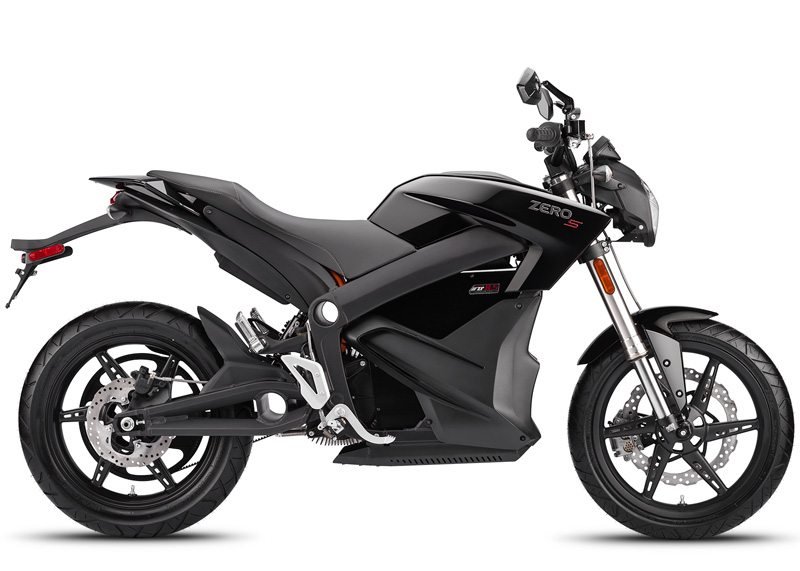
Avoid 2013 and 2014 Zero S, DS, and SR models unless you can verify the forks have been replaced and the BMS board has been serviced. These are the highest-risk years in Zero’s entire lineup, not because the motor is unreliable — it isn’t — but because of a cluster of hardware decisions that haven’t aged well.
The FastAce front forks fitted to 2013 models (and some 2014s) had a documented tendency to develop leaks at the bottom of the left tube. The cause was asymmetric braking stress from the single-disc setup combined with improperly set tube preload at assembly (Unofficial Zero Manual). Zero covered replacements under warranty at the time, but used bikes in 2026 are almost certainly past that coverage window.
The Battery Management System (BMS) board on 2013 models shipped with no dielectric grease on the moisture-sensitive components. The 2014 BMS used a grease formulation that degraded over time. On a 12-year-old bike, that board is exposed. A failed BMS can prevent charging, misread state of charge, and in worst cases refuse to let the bike run (Unofficial Zero Manual). This is a dealer-level diagnosis, not something a local shop can guess at.
Brake squeal on 2013–2014 models was also widespread — an acoustic resonance issue between the disc and caliper design that Zero partially addressed in 2015 with better-spec brake components (Unofficial Zero Manual). It doesn’t affect stopping power, but it’s relentless and nearly impossible to eliminate on the older hardware.
2015 Zero SR: Better Cells, Same Aging Worries
The 2015 Zero SR is an incremental improvement over 2014 but still carries the S-platform’s age-related risks. Zero redesigned the battery cells for 2015 and the result was measurable: the power-cutout behavior below 10–15% charge that plagued 2014-and-earlier bikes was reduced, and the cells proved more tolerant of deep discharge cycles (Unofficial Zero Manual).
That said, on a used bike from this year, you’re looking at a ten-year-old battery pack. The ZF 12.5 kWh pack in the 2015 SR is no longer in active production, and sourcing a replacement is difficult in regions without a strong Zero dealer presence. One owner reported 58,000 km on a 2015 SR before cell degradation caused sustained power cutouts at highway speeds in cool weather — and found no local support when the Australian dealer network collapsed (AEVA Forums).
The 2015 also predates Zero’s switch to Showa forks. If you’re looking at a 2015, confirm the forks have been addressed and pull the Bluetooth log data from the MBB (motor brain box) to check for historic fault codes before you hand over cash.
2020 SR/F and SR/S: Three Recalls in the Launch Window
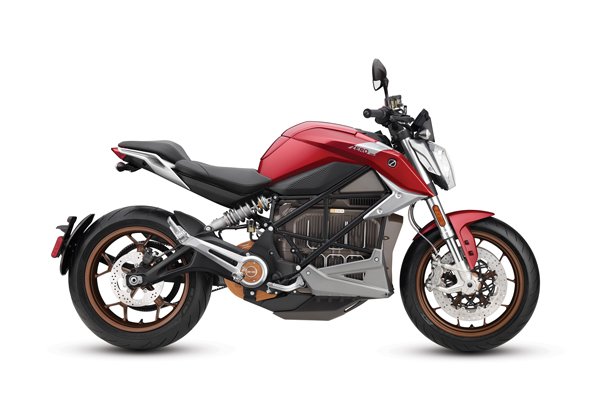
The 2020 Zero SR/F had three distinct safety recalls within its first production run — a high count for a single model year. The SR/F was Zero’s biggest platform launch since the company’s founding, and it showed in the quality control.
Early production SR/Fs (VINs 13511 and lower, manufactured before December 19, 2019) had rear rotor bolts that were insufficiently torqued from the factory. One or more bolts could back out and contact the caliper or swingarm, reducing rear brake performance (NHTSA 21V-940). Zero recalled up to 411 bikes for this issue.
The second recall — 659 bikes built between February 14 and June 19, 2020 — covered a brake switch that had been improperly glued (NHTSA SV-ZMC-021-020). Water could get into the switch, causing it to fail. The switch controls the rear brake lights and disengages cruise control; the brakes themselves still worked, but riders behind you wouldn’t know you were stopping. That’s not a scenario you want at highway speed.
Both recalls are free repairs at a Zero dealer. The question for used buyers is whether the work was actually done. Pull the VIN on the NHTSA recall site before purchasing any 2020 SR/F.
2021: The DC-DC Converter That Could Go Dark
Every 2021 Zero S, SR, DS, DSR, FX, and FXS is a candidate for a DC-DC converter recall that could temporarily cut power to ABS, lights, and instruments at the same time. This is one of the wider-scope recalls in Zero’s history because it covers almost the entire 2021 street lineup.
The affected bikes shipped with a Revision B DC-DC converter that had insufficient output margin. If the converter was pushed past its limit — running accessories on the accessory outlet while ABS was active and all lights were on — it could temporarily shut off with no warning to the rider (ADV Pulse, 2020). Zero’s fix was to replace the converter with the correct Revision A unit, identifiable by a label on the silver end bracket.
On any used 2021 Zero, ask for service records showing this converter was swapped. If the seller doesn’t know what a Revision A converter is, walk. A sudden loss of instrument power and ABS mid-corner is not a situation you want to be in.
2022: Wrong Brake Pads, Straight from the Factory
The 2022 Zero SR, SR/F, and SR/S shipped with incorrect rear brake pads that did not match the pads used for federal safety certification. This is unusual for any manufacturer: the bikes were assembled correctly — they just used the wrong parts. Zero’s production staff placed non-certified pads on the manufacturing line for a batch of 45 motorcycles built between November 15 and November 30, 2021 (NHTSA SV-ZMC-022-018).
The practical risk is that brake performance under heavy load may not meet the FMVSS 122 standard. On a Zero, where regenerative braking handles most deceleration and the rear brake gets less use than on a gas bike, owners may not notice until they actually need the rear brake hard. Again: pull the VIN. This is a free fix.
2023–2024 DS Line: Two Separate Propulsion Recalls
The 2023–2024 DSR/X, DS, DSR, and DSRP are the most recalled Zero model range in recent history, with two distinct propulsion-loss issues documented by the NHTSA. If you’re shopping used in this segment, verify both recalls are resolved.
The first issue: key-switch wires on 319 bikes from the 2023–2024 DS line were improperly routed and could fatigue over time, breaking and causing an immediate complete shutdown of propulsion mid-ride (NHTSA 25V587000, 2025). The firmware fix is an OTA update; the wiring fix requires a dealer visit. Zero confirmed one incident of a dropped motorcycle.
The second: 2023 DSR/X models built between July 4, 2022, and April 21, 2023 — all seven of them — had motor controllers assembled with non-phosphate-coated fasteners due to a parts shortage. The incorrect fasteners raised resistance at the busbar joint, creating an overvoltage risk that could cut propulsion with no prior warning (RideApart, 2025). Controllers are replaced free of charge under recall SV-RCL-025-021.
The Safer Years to Buy a Used Zero
The 2016–2019 and post-2020 models with confirmed recall service are the most defensible used buys. Zero introduced the IPM (interior permanent magnet) motor in 2016, which runs cooler under sustained load and put less stress on the controller. The 2017–2019 S and SR models accumulated long-mileage owner reports with relatively few systemic issues — a 2017 SR owner on EV Rider TV ran 22,000 miles over five years with only a battery warranty replacement at year four (EV Rider, 2024).
Post-2019 SR/F and SR/S bikes are the best hardware Zero has built, but the 2020 launch-window QC issues and the 2021 converter recall mean you still need to verify service history. The cleanest used buys are probably 2017–2019 S/SR/DS/DSR models from sellers who can document mileage, charging habits, and any dealer visits.
Frequently Asked Questions
Which Zero Motorcycles years have the most NHTSA recalls?
The 2020–2024 model years collectively have the most documented NHTSA recalls. The 2020 SR/F had three separate safety actions; the 2021 lineup had a DC-DC converter recall covering six models; and the 2023–2024 DS line has two active propulsion-loss recalls as of 2025. Earlier years (2013–2014) had fewer formal NHTSA actions but more owner-reported systemic issues with forks and BMS hardware.
Are Zero Motorcycles reliable for long-term use?
Reliability improves significantly from 2016 onward with the IPM motor, and battery durability is generally strong — a 2016 DS battery was reported at 70% capacity after 70,000 miles of aggressive charging (Motor and Wheels, 2023). The bigger long-term risk is dealer network coverage. If you’re more than 50 miles from an authorized Zero dealer, post-warranty service on proprietary components becomes a serious logistical problem.
How do I check if a used Zero has open recalls?
Enter the bike’s VIN at nhtsa.gov/recalls. Zero also maintains its own recall page at zeromotorcycles.com/recall-information. For the DS line, the key recalls to check are SV-RCL-025-018 (key-switch wires) and SV-RCL-025-021 (motor controller). For 2020 SR/F, check 21V-940 and SV-ZMC-021-020.
What is the biggest ongoing problem with older Zero Motorcycles?
Onboard charger failure is the most persistent issue across the 2012–2018 model range. A defect on the CAN bus circuit causes the charger to stop before reaching 100% charge, and a bike with a damaged charger tends to damage replacement units as well (Unofficial Zero Manual). The repair requires the root cause to be diagnosed, not just the charger swapped. This is a dealer-only fix.
Is a 2013 Zero worth buying in 2026?
Only if the price reflects the risk. A 2013 Zero is 13 years old, uses a BMS design with known moisture vulnerabilities, may have FastAce fork issues unresolved, and runs on a battery pack that is likely well into degradation. Battery replacement costs and the shrinking dealer network make any pre-2015 Zero a project bike at this point, not a reliable daily commuter.