Aprilia Motorcycles Years to Avoid
TL;DR
- The 2010 Aprilia RSV4 is the single year to avoid most strictly: NHTSA Campaign #10V029000 required engine replacement on all 335 US-market units due to faulty connecting rods.
- First-year 2021 RS 660 and Tuono 660 models also had a connecting rod recall (NHTSA Campaign #21V502) covering bikes with improperly heat-treated conrods.
- The 2009-2016 RSV4 and Tuono V4 lineup has a well-documented stator and flywheel problem: most of these bikes will have failed at least once without the upgrade.
- Polymer fuel tanks on 2004-2015 V-twin Aprilias (Tuono, RSV 1000 R, Shiver 750) absorb ethanol from US pump gas and expand, warp, and leak over time.
- The safest used Aprilia years to target are post-2017 RSV4 models, 2022-onward RS 660 and Tuono 660, and any pre-owned bike with documented stator and tank service already done.
Which Aprilia Model Years Have the Worst Track Record?
The years most worth skipping are 2010 (RSV4 conrod recall), 2009-2016 (stator-prone RSV4 and Tuono V4), and 2021 first-run (RS 660 / Tuono 660 conrod recall). These are not opinions — two of the three involve official NHTSA safety recalls requiring full engine replacement. The third is a documented design flaw backed by the aftermarket parts industry.
Aprilia builds some of the most exciting sport bikes sold in the US. The RSV4 has won more Superbike World Championship titles than any other manufacturer since 2010, and the RS 660 brought genuine middleweight performance to a price point under $10,000. But Italian performance bikes, particularly first-year production runs, have a history of quality control problems that Japanese manufacturers rarely repeat.
| Model / Year Range | Core Problem | Recall? | Status |
|---|---|---|---|
| 2010 RSV4 Factory / R | Faulty connecting rods | Yes — NHTSA #10V029000 | Full engine replacement |
| 2021 RS 660 / Tuono 660 | Connecting rods, improper heat treatment | Yes — NHTSA #21V502 | Full engine replacement |
| 2009-2016 RSV4 / Tuono V4 | Stator overheating, flywheel magnet failure | No formal recall | Widespread; aftermarket fix available |
| 2004-2015 V-twins (Tuono 1000, RSV 1000 R) | Polymer tank expansion from E10 fuel | No | Ongoing; ethanol-free fuel helps |
| 2007-2009 Shiver 750 | Fueling glitches, false neutrals, early electrical | No | Largely addressed by 2010 |
The 2010 RSV4: Aprilia’s Most Documented Engine Failure
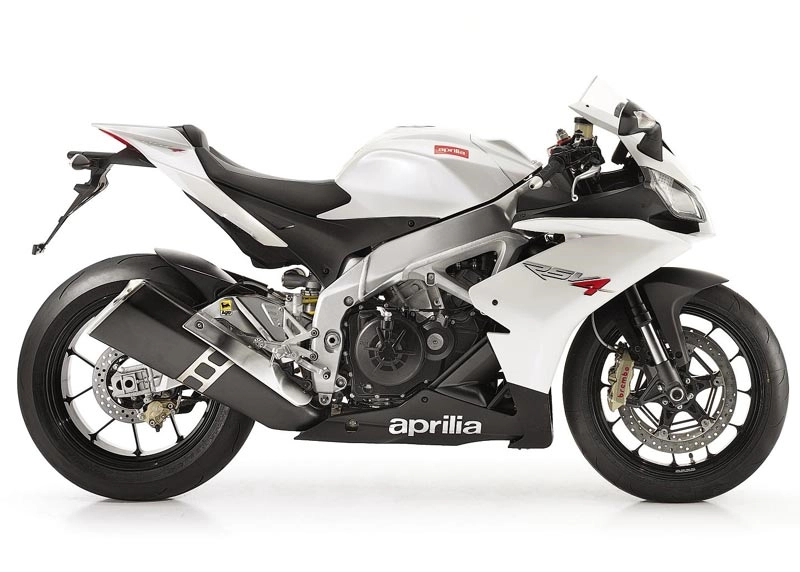
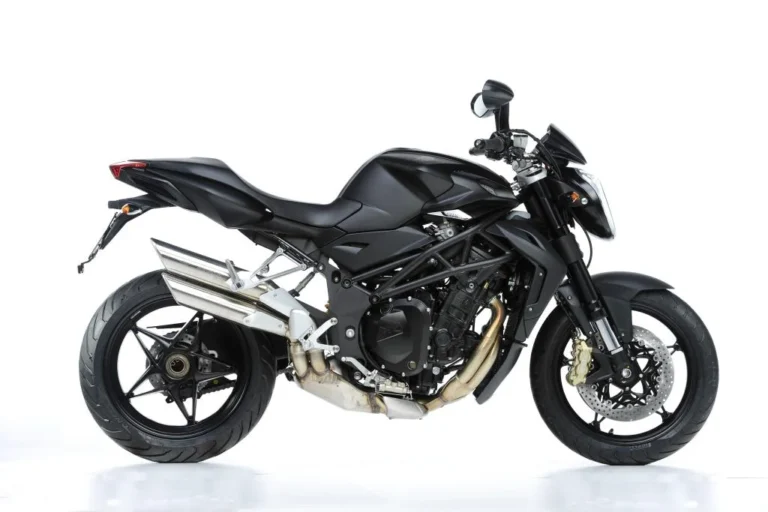
The 2010 RSV4 is the clearest year to skip on the used market unless you can verify the engine was replaced under recall. Piaggio recalled all 335 US-spec 2010 RSV4 Factory and RSV4 R motorcycles manufactured between July 2 and October 30, 2009, because connecting rods from an outside supplier had been straightened using a process that introduced internal stresses, compromising their strength (NHTSA Campaign #10V029000, January 2010). The failure mode was not subtle: five engines blew up during a European press launch at Mugello before production even began.
Piaggio’s response was decisive — they sent complete pre-assembled engines to dealers with wiring harnesses, throttle bodies, airboxes, and ECUs already installed, and issued a new two-year warranty to affected owners after replacement (Motorcycle.com, 2010). The problem for a used buyer in 2025 is verification. You need documentation showing the replacement was completed. A 2010 RSV4 with no service records is a bike to walk away from regardless of how good it looks. A 2012 or 2013 model with documented service and a confirmed stator upgrade (covered below) is a far safer starting point.
The RSV4 and Tuono V4 Stator Problem: 2009-2016
This one doesn’t have an official NHTSA recall number, but it has something almost as useful: an entire aftermarket parts category built around fixing it. The original 2009-2020 RSV4 and 2011-2020 Tuono V4 charging systems used flywheels with magnets that were too strong for the application. The excessive magnetic output generated heat that burned up stator windings and often took out the voltage regulator (RMStator, 2024). A related failure mode involves low-quality epoxy holding the flywheel magnets to the rotor body. After enough heat cycles, the epoxy fails, the magnets come loose, and contact the stator — which crosses from expensive to catastrophic (Moto Electrical, 2024).
The fix is a Kokusan replacement flywheel with lower-strength magnets, paired with a new stator and MOSFET regulator/rectifier. Aftermarket suppliers describe the original charging system as something that most of these bikes will have experienced at least once. If you’re looking at a used RSV4 or Tuono V4 from this era, ask specifically whether the charging system has been upgraded and check service records for stator replacement. A bike that already went through this failure and received the full upgrade is actually preferable to one with original components still installed — you know the problem has been addressed.
The stator concern applies across the entire 2009-2020 RSV4 range, but the risk is highest on bikes from 2011 to 2015, before Aprilia revised the flywheel specification internally.
2021 RS 660 and Tuono 660: First-Year Production, Second-Generation Conrod Problem
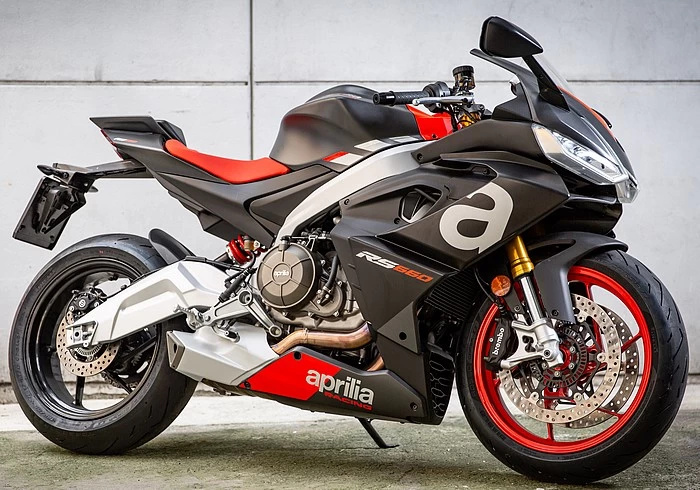
The RS 660 and Tuono 660 launched for 2021 as Aprilia’s most accessible performance bikes in decades — parallel-twin, lightweight, priced under $10,000, and well-reviewed by the press. The first-production-year catch: a connecting rod recall almost identical in character to the 2010 RSV4 issue. Aprilia recalled certain 2021 RS 660 and Tuono 660 motorcycles because engine crankshaft connecting rods could break due to improper heat treatment, creating a sudden engine stall and crash risk (NHTSA Campaign #21V502, July 2021). The recall covered 308 US units, and dealers replaced engines free of charge.
If you’re shopping a 2021 RS 660 or Tuono 660, this is the first thing to check. Run the VIN through NHTSA’s recall database at nhtsa.gov/recalls. A bike that received the engine replacement is fine. One that shows an open recall — or has no records at all — needs to be verified before you buy.
The 2022 model year RS 660 is generally cleaner. Early production 2022 bikes had reports of the gear shift lever working loose from the splined shaft (a known issue acknowledged by Aprilia and addressed by dealers), but that’s a bolt and a thread-lock fix, not an engine replacement. The 2022-onward RS 660 is the better used buy in this family.
Polymer Fuel Tanks: The Long-Running Ethanol Problem on 2004-2015 V-Twins
This one isn’t tied to a single model year — it’s a materials problem affecting most Aprilia V-twins with polymer (nylon) fuel tanks produced between roughly 2004 and 2015. The affected bikes include the RSV 1000 R, Tuono 1000 R, Tuono Factory, Shiver 750, and Dorsoduro 750. US pump gasoline contains 10% ethanol (E10), and Aprilia’s nylon tanks were not designed for that blend. Over time, the nylon absorbs ethanol, expands, and distorts. Mounting holes stop lining up. The fuel pump mounting plate warps, breaking the gasket seal. Fuel leaks (ApriliaForum, multiple documented threads from 2009-2014).
The practical buying checklist for any 2004-2015 Aprilia V-twin: confirm the tank has been inspected, check whether the bike has been run on ethanol-free fuel, and look underneath the tank around the fuel pump mounting plate for staining or residue. A tank that has already warped significantly is a multi-hundred-dollar repair. Aprilia did not issue a recall for this issue and generally declined responsibility, citing US fuel quality as an external cause.
If a seller mentions documented use of ethanol-free fuel with receipts to back it up, that’s meaningful information worth factoring into your price negotiation.
2007-2009 Shiver 750: Early Teething Problems on a New Platform
The Shiver 750 debuted in 2007 as Aprilia’s first road bike built entirely on Piaggio Group resources, using a new in-house 749cc V-twin rather than the Rotax engines used previously. First-year tech on a brand-new motor doesn’t always go smoothly. Early 2007 and 2008 owners reported glitchy ride-by-wire throttle response, false neutrals in the gearbox, and electrical faults serious enough to require multiple dealer visits (MCN reader reports, 2008). One documented UK case involved a bike that wouldn’t exceed 3,000 rpm after fueling, required roadside recovery twice, and had recurring starting failures in the first year of ownership.
By 2010, Aprilia had addressed most of these issues through software updates and production changes. A 2010 or later Shiver 750 is a substantially more settled bike than a first-year 2007. If the price on a 2007 or 2008 Shiver is tempting, that’s because those years carry a discount for a reason. A 2011-2015 Shiver 750 with clean service history is a much better used buy for the same general platform.
What Years Are Actually Worth Buying?
The simplest guidance: the later the production year, the more problems Aprilia had time to address.
For the RSV4, a 2017 or newer unit benefits from extensive refinement, a more stable electronics package, and a generation of owners who already discovered and fixed the stator issues on earlier bikes. The 2015-onward RSV4 RF and RR are well-regarded by press and owners alike (Cycle World, 2016).
For the RS 660 and Tuono 660, a 2022 or later model is the entry point. These bikes have the first-year conrod recall behind them and enough owner miles to confirm stability.
For the Shiver 750, anything from 2011 through 2016 with documented service is a solid used buy. The 90-degree V-twin engine, once sorted, is a durable unit.
Whatever year you choose, check the Aprilia dealer network in your area before you commit. Parts lead times from Italy are longer than Japanese brands, and not every independent shop is comfortable with the electronics. A bike in a market with no Aprilia-qualified dealer within a reasonable distance means you’re also buying a parts-sourcing problem on every service interval.
Frequently Asked Questions About Aprilia Years to Avoid
Are all Aprilia motorcycles unreliable?
No. The reputation for unreliability is largely tied to specific model years and known issues, not the brand as a whole. Post-2017 RSV4 models have a strong reliability record from owners and press alike, and the RS 660 post-recall is well-regarded. The comparison point matters, too: Aprilia will never match Honda or Kawasaki on dealer density and parts availability in the US, but a well-maintained, post-teething-phase Aprilia is a durable motorcycle.
How do I check if a used Aprilia has an open recall?
Go to nhtsa.gov/recalls and enter the 17-digit VIN. This is free and takes about 30 seconds. Every used Aprilia you seriously consider buying should go through this check. If there’s an open recall, confirm with the selling dealer or private party whether it was completed and get documentation.
Is the 2010 RSV4 recall engine still risky if it was replaced?
No. The recall remedy was a complete engine swap to a new unit assembled without the defective connecting rods. A 2010 RSV4 with documented engine replacement under NHTSA Campaign #10V029000 has no residual risk from the original conrod problem. The concern on the used market is bikes with no service records that can’t confirm the replacement was done.
What is the stator upgrade for the RSV4, and do I need it?
The stator upgrade replaces the original flywheel with a Kokusan unit using lower-strength magnets, adds a new stator winding, and replaces the original voltage regulator with a MOSFET unit. If you buy a 2009-2020 RSV4 or 2011-2020 Tuono V4, check whether this has been done. If it hasn’t, factor the cost into your offer — the full kit from suppliers like RMStator runs roughly $350-$500 in parts, plus labor.
Does the Aprilia RS 660 have long-term reliability concerns beyond the 2021 recall?
The 2022-onward RS 660 is early enough in its lifespan that there’s no long-term high-mileage data comparable to the RSV4’s 15-year owner base. Early ownership reports are generally positive. The main non-recall concern on first-year 2022 bikes is the gearshift lever bolt backing out — apply thread-lock on installation and check it at every service. Beyond that, the 660 parallel twin is a newer, simpler design than the V4, and there’s cautious optimism in the owner community about its durability.
All recall information verified through NHTSA’s public recall database. Stator failure documentation sourced from RMStator and Moto Electrical product descriptions, which reflect accumulated field data from repair shops. Rider forum reports sourced from ApriliaForum.com and Bay Area Riders Forum.