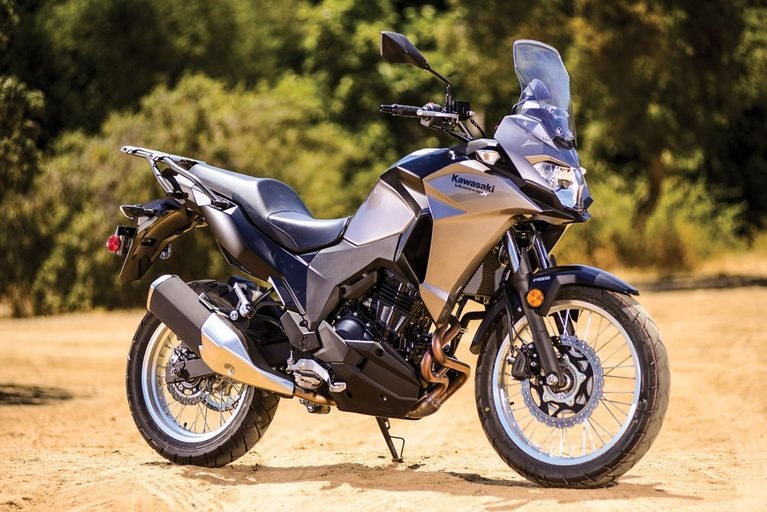
Kawasaki Vulcan S Specs, Top Speed & Review
TL;DR
- The Kawasaki Vulcan S is a 649cc parallel-twin cruiser with 61 hp and 46.3 lb-ft of torque, using an engine derived from the Ninja 650.
- Top speed runs approximately 115-120 mph in real-world testing; Kawasaki does not publish an official figure.
- 0-60 mph comes in at roughly 4.2 seconds, confirmed across multiple independent tests.
- The Ergo-Fit system offers 18 adjustable configurations for seat, footpegs, and handlebars – a genuine differentiator for shorter or taller riders.
- 2026 MSRP starts at $7,649 (base) and $8,149 (ABS).
Full Specifications: 2026 Kawasaki Vulcan S
| Spec | Detail |
|---|---|
| Engine | 649cc, liquid-cooled, DOHC, parallel-twin |
| Bore x Stroke | 83.0 x 60.0mm |
| Compression Ratio | 10.8:1 |
| Horsepower | 61 hp @ 7,500 rpm |
| Torque | 46.3 lb-ft (62.8 Nm) @ 6,600 rpm |
| Fuel System | DFI with Keihin 38mm throttle bodies (x2) |
| Transmission | 6-speed with positive neutral finder |
| Final Drive | Sealed chain |
| Frame | High-tensile steel diamond |
| Front Suspension | 41mm hydraulic telescopic fork, 5.1 in. travel |
| Rear Suspension | Offset laydown single shock, adjustable preload, 3.2 in. travel |
| Front Brake | 300mm petal disc, 2-piston caliper |
| Rear Brake | 250mm petal disc |
| Front Tire | 120/70-18 |
| Rear Tire | 160/60-17 |
| Wheelbase | 62.0 in. |
| Seat Height | 27.8 in. (lowest Ergo-Fit position) |
| Curb Weight | 491.7 lb (base) / 498.3 lb (ABS) |
| Fuel Capacity | 3.7 gal. |
| Rake/Trail | 25.0° / 3.9 in. |
| MSRP (2026) | $7,649 (base) / $8,149 (ABS) / $8,749 (Café ABS) |
Sources: Total Motorcycle (2024), Kawasaki USA (2026).
Kawasaki Vulcan S Top Speed: What Independent Tests Show

Kawasaki does not publish an official top speed for the Vulcan S. Based on independent testing, real-world top speed falls in the 115-120 mph range, with structured tests pegging the ceiling at approximately 116-117 mph (MotoStatz, 2022).
That number is softer than the Ninja 650 it shares hardware with. The upright cruiser seating puts more of you in the wind, and above 80 mph the drag becomes noticeable. Below that, the engine pulls cleanly and the 6-speed gearbox keeps revs relaxed.
For most riding – interstate passes, two-lane runs, daily commuting – 115+ mph in reserve is more than sufficient. The Vulcan S is tuned for torque delivery across the rev range, not peak velocity.
Kawasaki Vulcan S Acceleration: 0-60 and Quarter Mile
The Vulcan S covers 0-60 mph in approximately 4.2 seconds. MotoStatz (2022) recorded 4.21 seconds in structured testing, and SRK Cycles confirmed low-4-second runs in real-highway conditions. The 0-100 km/h time checks in at 4.46 seconds.
Cruiser geometry helps at launch. The lower seat, longer wheelbase, and rear weight bias let you dump the clutch hard without the front wheel getting light. Mid-range pull from 40-70 mph is where this engine feels most at home – torque peaks at 6,600 rpm, right where highway passing speeds live.
| Benchmark | Time |
|---|---|
| 0-30 mph | ~1.5 sec |
| 0-60 mph | ~4.2 sec |
| 0-100 km/h | ~4.46 sec |
Sources: MotoStatz (2022), SRK Cycles.
Engine and Performance Character: The Ninja 650 Connection
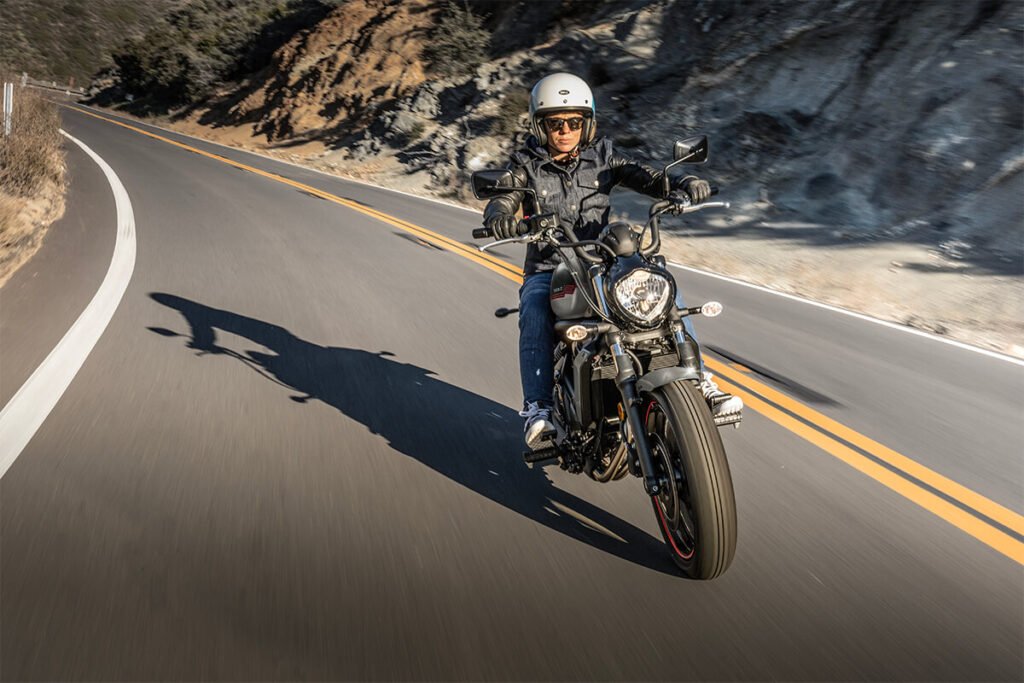
The Vulcan S runs a detuned version of the Ninja 650 engine – same 649cc parallel-twin, same DOHC four-valve architecture. Kawasaki retuned it for torque across the rpm range rather than peak power at the top end, giving it a thicker low-down feel with less urgency above 7,000 rpm than the Ninja delivers.
Dual throttle valves smooth out low-rpm response, which is why the Vulcan S feels forgiving in traffic. There’s no snatchiness at small throttle openings.
Fuel economy runs 50-54 mpg in mixed riding (Vulcan Forums owner data). A real-world test by New Atlas (2017) recorded 44 mpg with aggressive throttle use. With 3.7 gallons on board, realistic range is 170-190 miles per tank.
Chassis, Suspension, and Handling
The Vulcan S uses a high-tensile steel diamond frame from the Ninja/Z650 lineage, and it shows – steering is quicker and cornering clearance is better than a traditional V-twin cruiser. The 41mm front fork delivers 5.1 inches of travel; the rear single shock gives 3.2 inches with seven-position preload adjustment.
That rear travel is short. Sharp impacts at speed transmit directly. Ground clearance is 130mm – workable, not generous. Braking: 300mm petal disc up front with a two-piston caliper, 250mm disc at the rear. The ABS version adds dual-channel anti-lock for a $500 premium.
Ergo-Fit: The Standout Feature
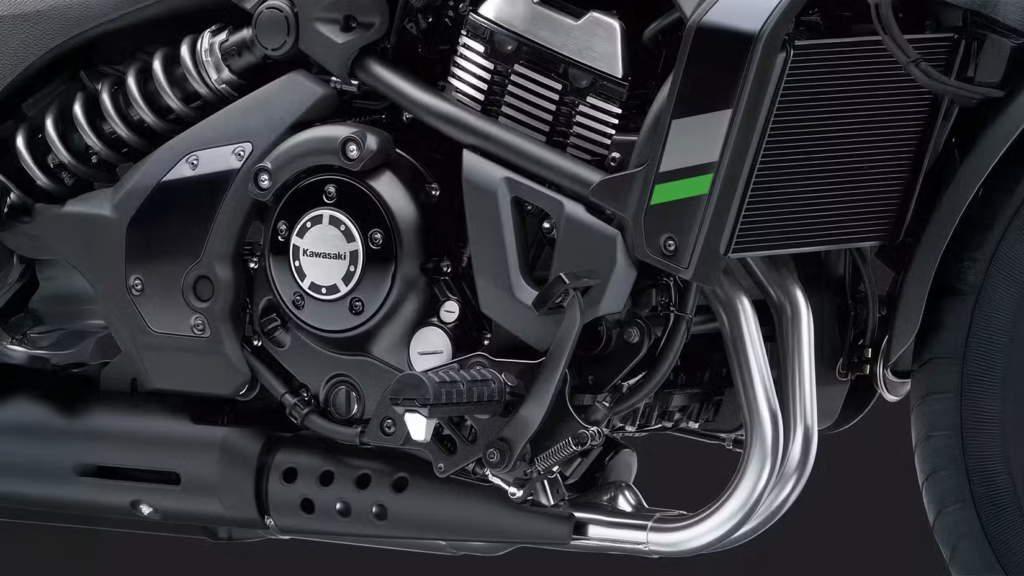
Ergo-Fit is Kawasaki’s adjustability system for the Vulcan S. The seat, footpegs, and handlebars each offer multiple positions, adding up to 18 possible configurations between Reduced Reach, Mid Reach, and Extended Reach (Kawasaki USA, 2026). Seat height at the lowest position is 27.8 inches – among the lowest in the middleweight cruiser class.
A 5’3″ rider and a 6’1″ rider can both be fitted on the same bike and have it feel natural. Kawasaki offers a dealer fitting at no additional cost after purchase. Other manufacturers don’t match this level of out-of-box adjustability at this price point.
Strengths and Limitations
The Vulcan S earns its place with a short seat, smooth throttle, solid fuel economy, and Ninja-derived handling that’s noticeably better than the cruiser styling suggests. At under $8,200 for the ABS version, the spec-to-dollar ratio holds up.
The limits are real: top-end performance trails the Ninja 650 and Z650. Rear suspension travel (3.2 in.) communicates rough pavement directly. There’s no built-in storage. The fuel gauge consistently reads empty earlier than the actual tank level – a minor but persistent owner complaint. Curb weight runs 491-498 lbs, lighter than most American cruisers but heavier than a naked in the same displacement class.
Who Should Buy the Kawasaki Vulcan S
The Vulcan S is the right call for newer riders who want a cruiser that won’t punish them early on. The low seat, light controls, smooth engine, and Ergo-Fit adjustability remove most barriers that make heavier cruisers hard in slow traffic and parking lots.
Experienced commuters looking for a relaxed daily rider will find it capable and easy to maintain. It’s not the right choice if you want strong straight-line performance, long-haul touring capacity, or the feel and sound of a V-twin. Shorter riders (under 5’6″) who struggle to flat-foot other bikes will find the 27.8-inch seat height genuinely useful.
Frequently Asked Questions About the Kawasaki Vulcan S
What is the top speed of the Kawasaki Vulcan S?
The Vulcan S reaches approximately 115-120 mph in real-world testing. Kawasaki does not publish an official figure. The upright cruiser riding position creates more aerodynamic drag than the Ninja 650’s sport stance, limiting top-end velocity (MotoStatz, 2022).
How fast is the Kawasaki Vulcan S 0-60 mph?
Independent testing puts 0-60 mph at approximately 4.2 seconds. MotoStatz (2022) recorded 4.21 seconds in structured tests, and SRK Cycles confirmed low-4-second results from real-highway launches.
Is the Kawasaki Vulcan S good for beginners?
Yes. The 27.8-inch seat height, light clutch, smooth engine, and 18-position Ergo-Fit system make it one of the more approachable middleweight cruisers available. Throttle response is predictable at low speeds, which matters during early miles.
What engine does the Kawasaki Vulcan S use?
The Vulcan S uses a 649cc liquid-cooled DOHC parallel-twin derived from the Ninja 650, retuned for stronger low-to-mid-range torque. Output is 61 hp at 7,500 rpm and 46.3 lb-ft at 6,600 rpm (Total Motorcycle, 2024).
What is the fuel economy of the Kawasaki Vulcan S?
Owner-reported fuel economy runs 50-54 mpg for mixed riding. Aggressive riding drops that toward 44 mpg (New Atlas, 2017). With a 3.7-gallon tank, realistic range is 170-190 miles per fill-up.
How much does the 2026 Kawasaki Vulcan S cost?
The 2026 Vulcan S starts at $7,649 (base, non-ABS) and $8,149 (ABS). The Vulcan S Café ABS lists at $8,749. Destination charges add $685 (Kawasaki USA, 2026).
Key Takeaways
- 649cc parallel-twin, 61 hp, 46.3 lb-ft of torque – engine shared with the Ninja 650 platform.
- Real-world top speed approximately 115-120 mph; 0-60 mph in around 4.2 seconds.
- Ergo-Fit with 18 configurations and a 27.8-inch seat height separates this from most class competitors.
- Fuel economy runs 50-54 mpg; approximately 170-190 miles per 3.7-gallon tank.
- 2026 pricing: $7,649-$8,749 depending on trim.
- Best fit: newer riders, shorter riders, and commuters who want cruiser style without V-twin weight.