Kawasaki Ninja 500 Top Speed, 0-60 & Specs (2026)
TL;DR
- The Kawasaki Ninja 500 makes 51 hp at 10,000 rpm and 31.7 lb-ft at 7,500 rpm from a 451cc parallel twin.
- Independent testers and magazine estimates put 0-60 mph at roughly 4.0 to 4.5 seconds, with a real-world top speed around 115-120 mph depending on rider size and conditions.
- Curb weight runs 372.6 to 377.1 lb depending on trim, with a low 30.9 in seat height that suits shorter riders.
- Base MSRP starts at $5,399 for the non-ABS model, with ABS and SE trims running higher.
- This is a beginner-friendly middleweight, not a track weapon. It’s quick enough to keep up with traffic and confident enough to grow with a new rider for a few seasons.
What Are the Kawasaki Ninja 500’s Full Specs?
The Ninja 500 runs a liquid-cooled 451cc parallel twin with DOHC and four valves per cylinder, good for 51 hp at 10,000 rpm and 31.7 lb-ft of torque at 7,500 rpm (Kawasaki, 2026). Here’s the full spec sheet Kawasaki publishes for the 2026 model year.
| Spec | Value |
|---|---|
| Engine | 451cc parallel twin, DOHC, liquid-cooled |
| Bore x stroke | 70.0 x 58.6mm |
| Compression ratio | 11.3:1 |
| Horsepower | 51.0 hp @ 10,000 rpm |
| Torque | 31.7 lb-ft @ 7,500 rpm |
| Transmission | 6-speed, sealed chain final drive |
| Front suspension | 41mm telescopic fork, 4.7 in travel |
| Rear suspension | Horizontal back-link, preload adjustable, 5.1 in travel |
| Front brake | Single 310mm disc, 2-piston caliper |
| Seat height | 30.9 in |
| Curb weight | 372.6-377.1 lb (trim dependent) |
| Fuel capacity | 3.7 gal |
| MSRP | $5,399 (non-ABS) to $6,499 (SE ABS) |
Bore and stroke land on the oversquare side, which is why the engine likes to rev and pulls cleanest above 7,000 rpm. The 11.3:1 compression ratio is high for a beginner-class twin and is part of why Kawasaki recommends premium fuel for best results.
How Fast Is the Ninja 500 From 0-60 mph?
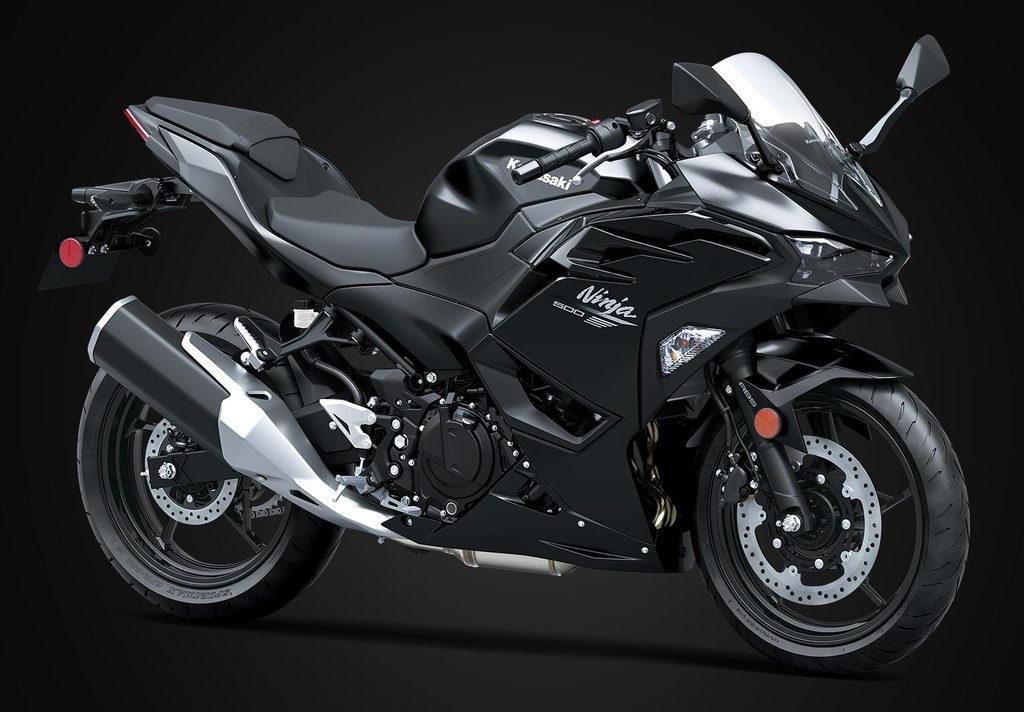
Most independent testing and press estimates place the Ninja 500’s 0-60 mph time between 4.0 and 4.5 seconds. SlashGear’s review of the model cites a run to 60 mph in roughly four seconds (SlashGear, 2024), which lines up with what owners report on stock tires and a clean launch.
That number moves around based on rider weight, gearing, and launch technique, same as any bike in this class. A 180-pound rider with some clutch feel and a clean shift into second will beat a nervous beginner by several tenths every time, and that gap only grows if the beginner short-shifts out of nerves.
Quarter-mile estimates for the current 500 generally land in the 13-to-14-second range at 95-100 mph trap speeds, though Kawasaki doesn’t publish an official drag strip number and any figure you see quoted online should be treated as an estimate rather than a lab-verified result.
What Is the Ninja 500’s Top Speed?
Real-world top speed on the Ninja 500 sits around 115-120 mph, with some owners reporting indicated readings closer to 118 mph in ideal conditions. Kawasaki does not publish an official top speed figure for the 500, so every number you’ll find, including this one, comes from independent testing or rider reports rather than a factory spec sheet.
Wind, rider position, and weight all matter more at this displacement than they do on a liter bike. Tucked in behind the fairing on a calm day, you’ll see the top of that range. Sit up into a headwind, and you’ll lose several mph fast, sometimes ten or more if you’re riding upright in jeans and a jacket instead of a full leather suit.
How Does the Ninja 500 Handle on the Street?
The Ninja 500 handles like a bike built for confidence, not intimidation, thanks to its 341.8 to 346.2 lb claimed dry weight and 54.1 in wheelbase. The trellis frame and 24.5-degree rake keep steering light without feeling twitchy at highway speed, which is exactly what a new rider needs when learning where the front tire’s limits actually are.
Suspension is basic but well sorted for the price. The 41mm fork and preload-adjustable rear shock won’t impress anyone coming off a fully adjustable setup, but they handle broken pavement and mid-corner bumps without kicking the bike off line. Braking comes from a single 310mm front disc with a two-piston caliper, which is enough stopping power for a bike this light, especially with ABS on the higher trims.
Low-speed maneuvering is where the Ninja 500 really earns its keep. Parking lot U-turns, filtering through stalled traffic, and backing out of a tight garage all feel manageable rather than nerve-wracking, and that’s largely down to the combination of low seat height and modest curb weight. A heavier liter bike makes the same moves feel like wrestling a couch.
What Does It Cost to Own and Maintain a Ninja 500?
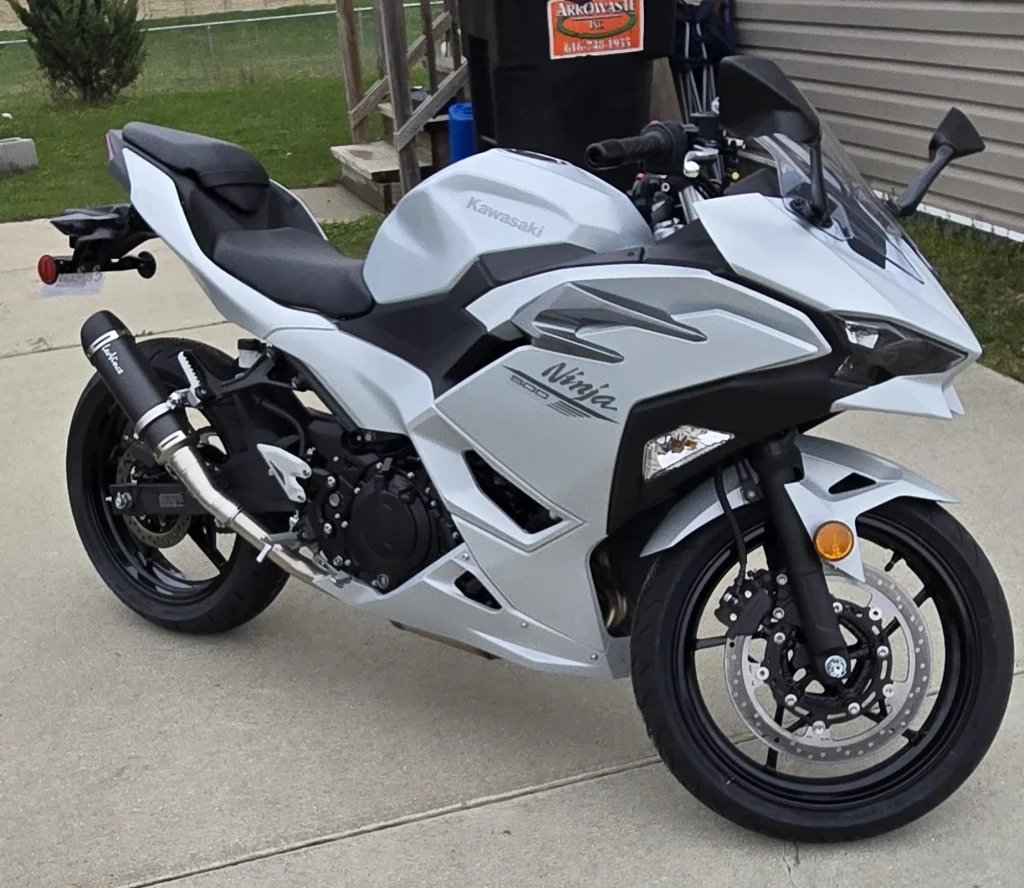
Routine upkeep on the Ninja 500 is cheap relative to bigger-displacement sportbikes, mainly because the smaller engine and lighter chassis put less strain on consumables. Oil changes, chain adjustments, and tire wear all follow a similar rhythm to other beginner-class twins in this segment.
Expect to check chain slack every 500 to 600 miles and keep it lubed more often in wet or salty conditions, since a stretched, dry chain robs power and wears the sprockets faster than most new riders expect. Tire pressure checks matter too. Running low pressure on a bike this light changes the handling more noticeably than it would on a heavier machine, so a quick gauge check before longer rides is worth the thirty seconds it takes.
Who Should Buy the Ninja 500?
The Ninja 500 is built for new riders, commuters, and anyone who wants sportbike styling without a sportbike’s insurance bill or intimidation factor. The low 30.9 in seat height and light curb weight make it approachable for shorter riders and anyone still building confidence at a stop light or in a parking lot U-turn.
Riders chasing serious track pace or sustained triple-digit cruising will find the ceiling here fairly quickly. The 500 is happiest as a daily commuter, a first real motorcycle, or a light-duty backroad bike for someone who values ease of use over outright speed.
Frequently Asked Questions
What is the top speed of the Kawasaki Ninja 500?
Real-world top speed is roughly 115-120 mph depending on rider weight and wind conditions. Kawasaki doesn’t publish an official top speed figure, so this range comes from independent testing and owner reports rather than a factory number.
How fast does the Ninja 500 go 0-60?
Most estimates put 0-60 mph between 4.0 and 4.5 seconds. The exact time depends heavily on the rider’s launch technique and body weight.
How much horsepower does the Ninja 500 have?
The Ninja 500 makes 51.0 hp at 10,000 rpm and 31.7 lb-ft of torque at 7,500 rpm from its 451cc parallel twin.
Is the Kawasaki Ninja 500 good for beginners?
Yes. Its low seat height, light curb weight around 373 to 377 lb, and manageable power output make it one of the more forgiving sportbikes in its class for new riders.
What is the price of the Kawasaki Ninja 500?
Base MSRP starts at $5,399 for the non-ABS model, with ABS trims starting at $5,799 and the SE ABS trim at $6,499, all before the $650 destination charge.
Does the Kawasaki Ninja 500 have ABS?
ABS is available on the ABS and SE ABS trims but is not standard on the base non-ABS model. Given that the front end carries most of the braking load on a bike this light, ABS is worth the extra few hundred dollars for anyone riding in rain or unfamiliar traffic.