Kawasaki Ninja ZX-4RR Top Speed, 0-60 Time & Specs Review
TL;DR
- The US-spec Kawasaki Ninja ZX-4RR makes a claimed 56 hp from its 399cc inline-four, with an independent dyno test recording 54.3 hp at the rear wheel.
- Top speed sits around 140-146 mph depending on gearing and rider position, with European unrestricted models pulling ahead of the US version.
- Reliable US-spec 0-60 and quarter-mile numbers aren’t publicly available yet; treat any figure you see online as an estimate until an independent US test confirms it.
- Wet weight is 415 lb with a 31.5-inch seat height, making this the heaviest bike in the 400cc class but also the only one with four cylinders.
- 2026 pricing starts at $9,999 for the ZX-4RR ABS, a few hundred more than the base ZX-4R.
What’s the Kawasaki ZX-4RR’s Top Speed?

The ZX-4RR tops out around 140-146 mph on a US-spec bike, tucked in, on flat ground. Published spec data lists 146 mph (235 km/h) for the platform, while the bike’s own ZXR400 predecessor from the 90s topped out closer to 140 mph (Wikipedia, 2024).
That number puts it well ahead of anything else in the 400cc class. The Ninja 400 tops out around 115-120 mph. No other 400cc parallel-twin gets close, because none of them have four cylinders spinning to 16,000 rpm.
Here’s the catch: US-spec bikes are down on power compared to the European ZX-4RR, which Kawasaki rates at 76 hp (79 hp with ram air) versus 56 hp for the American version. A US bike will likely fall short of what an unrestricted European model can do on the same stretch of autobahn. Kawasaki hasn’t published an official top-speed figure for the US bike specifically, so treat 140-146 mph as a reasonable range, not a lab-verified number.
How Fast Is the ZX-4RR from 0-60?
There’s no independently verified 0-60 time for the US-spec ZX-4RR from a source I’d stake my reputation on. You’ll find numbers floating around online in the 4.2-4.5 second range, but those come from testing done on EU-spec bikes making 20+ more horsepower than what you’d buy at a US dealership, and I’m not going to repeat a figure as fact when the bike being tested isn’t the bike you’d actually ride.
What we do know: this engine builds power high in the rev range. Peak torque doesn’t arrive until around 11,000-13,000 rpm depending on market spec, so a slow launch off the line will make the ZX-4RR feel gutless compared to a torquey twin like the Yamaha R7 (Cycle World, 2023).
Get it spinning past 10,000 rpm and use the quickshifter, and the picture changes fast.
If you want a genuine number, look for a US-spec dyno or drag strip test with a named tester and a dated publication. Until then, don’t trust an unsourced acceleration figure for this bike, including anything that looks suspiciously precise.
Kawasaki ZX-4RR Specs at a Glance
| Spec | ZX-4RR ABS (US) |
|---|---|
| Engine | 399cc liquid-cooled inline-four, DOHC, 16-valve |
| Bore x stroke | 57.0 x 39.1mm |
| Compression ratio | 12.3:1 |
| Claimed horsepower | 56 hp (US-spec, claimed) |
| Transmission | 6-speed, chain final drive |
| Front suspension | 37mm Showa SFF-BP fork, fully adjustable |
| Rear suspension | Showa BFRC shock, fully adjustable |
| Front brakes | Dual 290mm discs, radial 4-piston calipers |
| Rear brake | Single 220mm disc, 1-piston caliper |
| Wet weight | 415 lb |
| Seat height | 31.5 in |
| Fuel capacity | 4.0 gal |
| 2026 MSRP | $9,999 |
Why Does the US ZX-4RR Have Less Power Than the European Version?
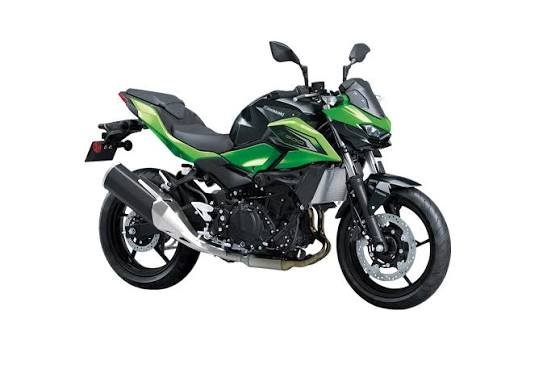
The US-spec ZX-4RR makes 56 hp, roughly 20 hp less than the European model’s 76-79 hp. That gap comes down to emissions and noise regulations, not a different engine (Motorcycle.com, 2023).
The hardware is identical between markets. What changes is the ECU tune and rev ceiling. European bikes spin to 16,000 rpm and hit peak power around 14,500 rpm, while US models peak lower in the rev range to meet EPA sound and emissions standards. Owners have found aftermarket ECU flashes can recover most of the missing power without touching the internals, though that’s a warranty consideration, not a factory spec.
A dyno pulled 54.3 hp at the rear wheel and 22.6 lb-ft of torque from a US-spec bike, which lines up closely with Kawasaki’s 56 hp crank claim once you account for normal drivetrain loss. That’s still more power than any other 400cc bike sold in the US, restricted or not.
What’s It Like to Ride: Handling and Chassis
The ZX-4RR handles like a bike built around a WorldSBK-inspired chassis, because it is. Kawasaki based the frame geometry on lessons from the ZX-10RR race bike, and it shows in how eager the thing is to change direction.
At 415 lb wet, it’s not the lightest bike in its class. A KTM RC 390 undercuts it by a solid margin. But the ZX-4RR carries that weight low and centralized, and the fully adjustable Showa suspension, an SFF-BP fork up front and a BFRC shock out back, lets you dial in compression and rebound instead of guessing. That’s suspension hardware you’d expect on a bike costing twice as much.
Sport riders will notice the payoff first in fast direction changes and mid-corner stability. Commuters will notice the flip side: the ergonomics lean aggressive, with a forward-canted riding position that’s more track day than daily grind through stop-and-go traffic.
Braking and Electronics: What You Actually Get
Braking comes from dual 290mm front discs with radial-mount four-piston calipers, backed by a single 220mm rear disc, all with ABS as standard. That’s a braking package that outclasses most of the competition in this class.
Electronics include four riding modes (Sport, Road, Rain, and a fully customizable Rider mode), Kawasaki Traction Control with adjustable intervention, and a bidirectional quickshifter on the RR trim that lets you bang up and down through the gearbox without touching the clutch lever. That quickshifter matters more here than on most bikes, since keeping this engine in its powerband means shifting often.
A slipper and assist clutch rounds out the package, keeping lever pull light around town and preventing rear-wheel hop on aggressive downshifts into corners.
Who Should Buy the ZX-4RR?
The ZX-4RR is best for riders who want a genuine four-cylinder supersport experience without stepping up to a 600cc or liter bike, and who don’t mind revving an engine to get the most out of it. Track day riders and sport riders chasing a screaming inline-four will get the most out of this bike.
New riders drawn to the sound and styling should know this isn’t a beginner-friendly first bike in the way a Ninja 400 is. The powerband is peaky, the seating position is aggressive, and the price tag, starting around $9,999, is a few thousand dollars above other 400cc options.
Commuters and touring riders will be better served elsewhere. This bike rewards riders who want to work the gearbox and rev it out, not cruise at a steady throttle.
Frequently Asked Questions
What is the top speed of the Kawasaki ZX-4RR?
US-spec bikes run somewhere around 140-146 mph, based on comparable spec data for the platform. Kawasaki hasn’t published an official US top-speed figure.
How much horsepower does the US ZX-4RR make?
Kawasaki claims 56 hp for the US-spec bike, and an independent dyno test recorded 54.3 hp at the rear wheel, which is normal drivetrain loss from that claimed figure.
Is the ZX-4RR 0-60 time verified?
No independently verified US-spec 0-60 time exists from a source with named testing methodology as of this writing. Numbers circulating online mostly come from EU-spec bikes making significantly more power.
Why is the US ZX-4RR slower than the European model?
Emissions and noise regulations force a different ECU tune and lower rev ceiling in the US market, cutting output from around 76-79 hp in Europe down to 56 hp here.
How much does the 2026 Kawasaki ZX-4RR cost?
The 2026 ZX-4RR ABS starts at $9,999, with the KRT Edition and other color options priced close to that figure (Kawasaki, 2026).
Is the ZX-4RR a good first motorcycle?
Not typically. The engine wants high rpm to make power, the riding position is aggressive, and the price is higher than beginner-friendly options like the Ninja 400 or KTM RC 390.