Motorcycle CC Meaning: What It Is and Why It Matters
TL;DR
- CC stands for cubic centimeters and measures engine displacement – the total volume swept by all pistons inside the engine cylinders.
- A higher CC generally means more air and fuel burned per cycle, which produces more power and torque.
- Most beginner riders do well on 300cc-500cc bikes; experienced riders typically move to 600cc-1000cc or larger.
- CC is one of the most important specs to check when buying a motorcycle, but it’s not the only one that determines performance.
- Engine design, compression ratio, and fuel delivery all affect how a given CC figure actually feels on the road.
What CC Means on a Motorcycle Engine

CC stands for cubic centimeters. It measures engine displacement – the total volume swept by all pistons through one complete stroke cycle inside the engine. A 650cc twin-cylinder engine, for example, has two cylinders that together displace 650 cubic centimeters of air and fuel mixture per full cycle.
Think of it like the size of a pump. A bigger pump can move more fluid per stroke. A bigger displacement engine can ingest more air and fuel per cycle, and burning more fuel typically releases more energy. That energy becomes torque at the crankshaft and, ultimately, power at the rear wheel.
Displacement is usually expressed in cubic centimeters (cc) for smaller bikes and liters (L) for larger ones. A 1,000cc engine is the same as a 1.0L engine. Kawasaki’s ZX-10R, for instance, is listed as both 998cc and approximately 1.0L depending on the source.
Cubic centimeters are a volume measurement, not a power measurement. Two 650cc engines from different manufacturers can produce meaningfully different horsepower figures based on how well the engine breathes, its compression ratio, its valve timing, and whether it uses fuel injection or a carburetor.
How CC Affects Power and Torque on the Road
-In-Bikes.jpg)
A higher CC engine can produce more power, but the relationship isn’t perfectly linear. Displacement sets a ceiling for potential output. What the engineer does inside that displacement determines the actual result.
A 650cc parallel twin like the Kawasaki Ninja 650 makes around 67 horsepower (Kawasaki, 2024). A 650cc single-cylinder engine in a dual-sport like the KTM 690 Enduro R makes roughly 74 horsepower from the same displacement, partly because a single large cylinder can be tuned more aggressively than a smaller-bore twin.
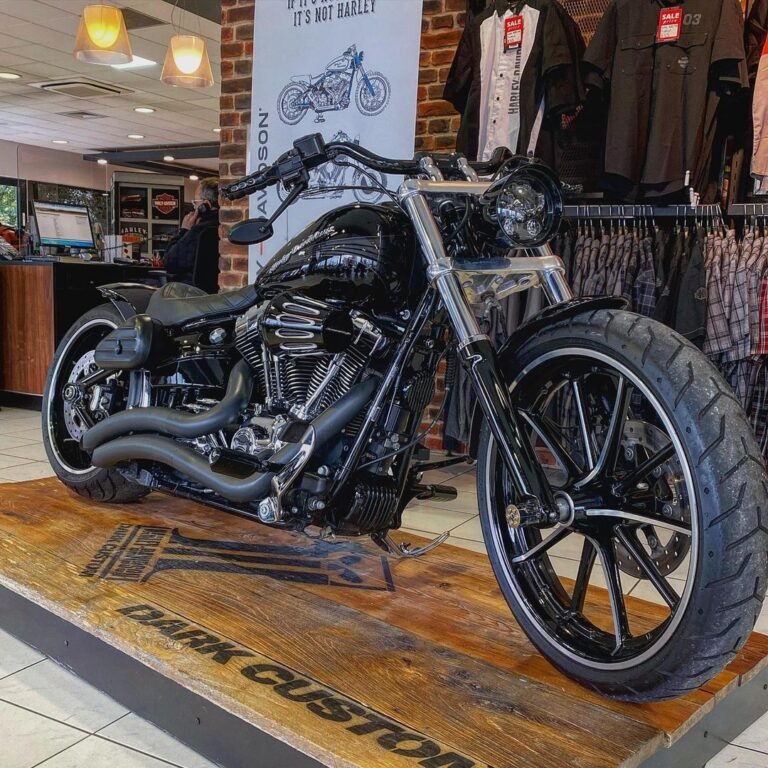
Torque is where displacement really shows its character. Larger-displacement engines tend to make more torque at lower RPM, which is why a Harley-Davidson Milwaukee-Eight 114 cubic-inch (1,868cc) V-twin can pull hard from 2,000 RPM while a 600cc sportbike needs to spin past 8,000 RPM to hit its power peak. For city riding and highway cruising, that low-end pull matters a lot more than peak horsepower numbers.
The practical takeaway: CC tells you roughly how much potential a motor has. The rest of the spec sheet tells you how that potential is delivered.
CC Ranges by Rider Type and Experience Level

Choosing the right CC for your situation is about matching the engine’s character to your riding style, road conditions, and experience. Here’s how the common displacement ranges break down.
| CC Range | Typical Bike Types | Best For |
|---|---|---|
| 125cc-300cc | Entry-level sport, commuters, scooters | New riders, city commuting, learner licenses |
| 300cc-500cc | Naked bikes, entry sport, adventure | New to intermediate riders, mixed use |
| 500cc-750cc | Mid-range sport, touring, adventure | Intermediate riders, two-up riding, highway |
| 750cc-1000cc | Supersports, standard, adventure | Experienced riders, sport and track use |
| 1000cc+ | Heavyweight cruisers, big adventure, touring | Experienced riders, long-distance, low-speed torque |
125cc-300cc bikes are the right starting point for most new riders in the USA. They’re light, forgiving, and still capable of highway speeds. The Honda CB300R and Kawasaki Z400 are solid examples that don’t feel like toys but won’t spit you off the moment you twist the throttle too hard.
300cc-500cc is the sweet spot for newer riders who’ve outgrown 125cc bikes or live in areas with higher speed limits and more aggressive traffic. The Royal Enfield Meteor 350 and Honda CB500F sit here and handle mixed urban-highway riding without overwhelming a less experienced rider.
600cc-750cc bikes are capable machines that still reward skill. The Yamaha MT-07 (689cc) and Suzuki SV650 are in this range and are well-regarded as bikes that work for commuting, weekend canyon runs, and occasional two-up duty. They’re not beginner bikes, but an intermediate rider who respects the throttle will get along fine.
1000cc and above doesn’t always mean fastest. A Harley-Davidson Road Glide at 1,868cc is more about low-RPM muscle and long-distance comfort than outright speed. A Ducati Panigale V4 at 1,103cc is an entirely different kind of machine. CC range alone doesn’t tell you which is which.
Is a Higher CC Always Better? The Real Answer
No. Higher CC is not better by default – it depends entirely on what you’re trying to do on the bike.
A 125cc Honda Grom is far more fun than a 1000cc superbike on a tight parking lot course. A 250cc dual-sport will go places a 1200cc adventure bike simply can’t. And a new rider on a 1000cc liter bike has statistically higher crash risk than the same rider on a 400cc machine – the Motorcycle Safety Foundation consistently recommends starting on smaller displacement bikes for this reason (MSF, 2023).
More CC also means more weight in most cases, higher fuel consumption, higher insurance premiums, and often a higher purchase price. A larger-displacement engine isn’t inherently more reliable either. Honda’s 471cc parallel twin in the CB500 series has a well-documented reputation for going well past 60,000 miles with basic maintenance. Plenty of bigger motors have had recall histories you’d want to research before buying.
The right CC is the one that fits your skill level, your typical roads, and your physical size. A tall rider at 6’2″ may feel cramped on a 250cc learner bike; a shorter rider at 5’4″ may struggle to flat-foot a 1200cc adventure bike. Seat height and ergonomics interact with displacement in ways that matter day-to-day.
CC vs. Other Specs That Actually Shape the Ride
CC is one number among several that together describe how a motorcycle performs. Here’s what else to look at alongside displacement.
Horsepower tells you the engine’s peak work output rate. Two bikes with the same CC can have a 20+ horsepower gap depending on tune and design. Always check peak horsepower alongside displacement.
Torque tells you how hard the engine pulls across the RPM range. A high-torque, moderate-CC motor like a 745cc BMW parallel twin (in the F 750 GS) can feel stronger in real-world riding than a higher-revving, same-displacement sportbike.
Cylinder count changes the character of power delivery. A 650cc single hits hard in a narrow band. A 650cc twin is smoother and more linear. A 650cc triple (if one existed) would be smoother still. Same displacement, different riding feel.
Weight determines how the power translates to acceleration. A 40-horsepower 400cc bike that weighs 370 lbs can feel more spritely than a 70-horsepower 650cc bike at 500 lbs. Power-to-weight ratio (horsepower divided by weight in pounds) is a better predictor of real-world quickness than CC alone.
Fuel delivery – carbureted vs. fuel-injected – affects throttle response and tuning. Most modern bikes above 400cc use fuel injection, which delivers cleaner, more consistent power than carburetors across temperature and altitude changes.
Frequently Asked Questions About Motorcycle CC
What does CC mean on a motorcycle?
CC stands for cubic centimeters and measures engine displacement – the total volume swept by all pistons during one full stroke cycle. It’s a measure of engine size, not output. A higher CC engine can potentially produce more power, but the actual horsepower and torque figures depend on how the engine is designed and tuned.
How many CC is good for a beginner motorcycle?
Most beginner riders in the USA do well starting between 300cc and 500cc. The MSF recommends starting on a smaller, lighter bike to build confidence before moving to higher-displacement machines (MSF, 2023). Bikes like the Honda CB300R, Kawasaki Z400, and Royal Enfield Meteor 350 are practical starting points that won’t feel underpowered but won’t exceed a new rider’s ability to manage.
Is 1000cc too much for a beginner?
Yes, in most cases. A 1000cc sportbike or naked bike produces enough power to exceed a beginner’s reaction time and skill level very quickly. That said, a 1000cc heavyweight cruiser like a Harley-Davidson Sportster S is a different experience – more torque, less peak power, and a low seat height that suits some riders better than smaller bikes. The type of bike matters as much as the CC.
What is the difference between 600cc and 1000cc motorcycles?
A 600cc motorcycle typically weighs less, costs less to insure, and delivers its power at higher RPM. A 1000cc motorcycle typically makes more peak horsepower and torque, weighs more, and costs more to insure and maintain. In everyday street riding, a 600cc mid-range machine like the Yamaha MT-07 is often more practical than a 1000cc supersport because it’s easier to use within legal speed limits.
Does higher CC mean faster acceleration?
Not automatically. Acceleration depends on power-to-weight ratio, gearing, traction, and rider input – not just displacement. A well-sorted 400cc bike will out-accelerate a poorly geared or heavily loaded 800cc machine. That said, at equal weight and comparable design, higher CC typically translates to stronger acceleration once you’re past the beginner bracket.