Kawasaki Motorcycles Years to Avoid
TL;DR
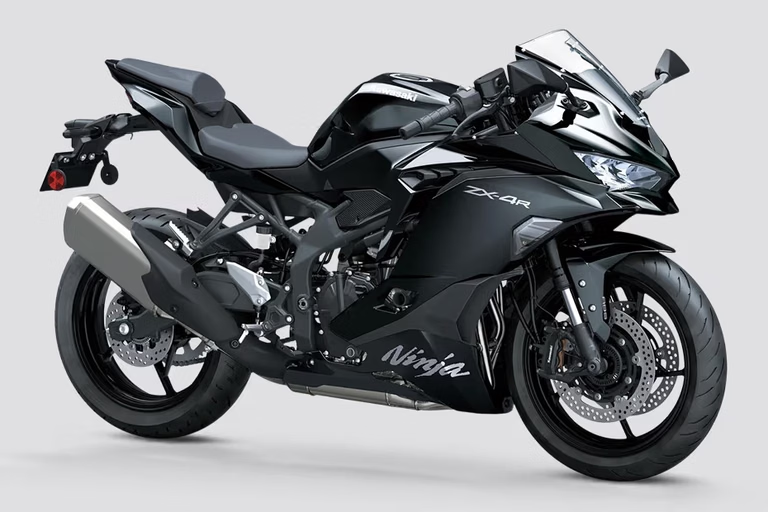
- The 2024-2026 Ninja ZX-6R has an active stop-ride order from NHTSA (campaigns 25V376 and 25V798) due to crankshaft bushing seizure that can instantly lock the rear wheel.
- The 2007-2008 ZX-6R had a known valve cover gasket oil leak; Kawasaki issued a Factory Authorized Repair but no formal recall.
- The 2009-2012 ZX-6R and 2008-2011 ZX-10R share a regulator/rectifier recall covering 20,544 units (NHTSA, 2012); always confirm the repair was done before buying.
- The 2003 Z1000 had documented frame cracking near the headstock weld; inspect any used example at that specific weld before buying.
- Always run a VIN check at nhtsa.gov before purchasing any used Kawasaki – open campaigns transfer with the title.
What Makes a Kawasaki Model Year Worth Avoiding
A year earns this designation through one of two paths: a documented NHTSA recall involving a safety-critical component, or a factory-acknowledged defect that Kawasaki quietly addressed through a Factory Authorized Repair without formally recalling the bike. Both matter. The first involves a legal notification process; the second is Kawasaki quietly fixing something they know is wrong. Either way, if you’re buying used, you need to know whether the repair was completed.
Kawasaki’s overall reliability record across four decades is genuinely solid. The issues below are specific, not systemic. Most of them have clean fixes. But a few – particularly anything involving the crankshaft or charging system – can strand you mid-ride or, in the worst case, cause an accident.
Kawasaki Model Years and Known Problems at a Glance
| Model | Year(s) | Issue | NHTSA Documented? |
|---|---|---|---|
| Ninja ZX-6R | 2024-2026 | Crankshaft bushing seizure, stop-ride order | Yes (25V376, 25V798) |
| Ninja ZX-6R + ZX-10R | 2009-2012 / 2008-2011 | Regulator/rectifier recall, battery discharge/stall | Yes |
| Ninja ZX-6R | 2007-2008 | Valve cover gasket oil leak | Factory Authorized Repair only |
| Z1000 | 2003 | Frame cracking near headstock weld | No (owner-reported, Kawasaki replaced some frames) |
2007-2008 ZX-6R: The Valve Cover Gasket Oil Leak
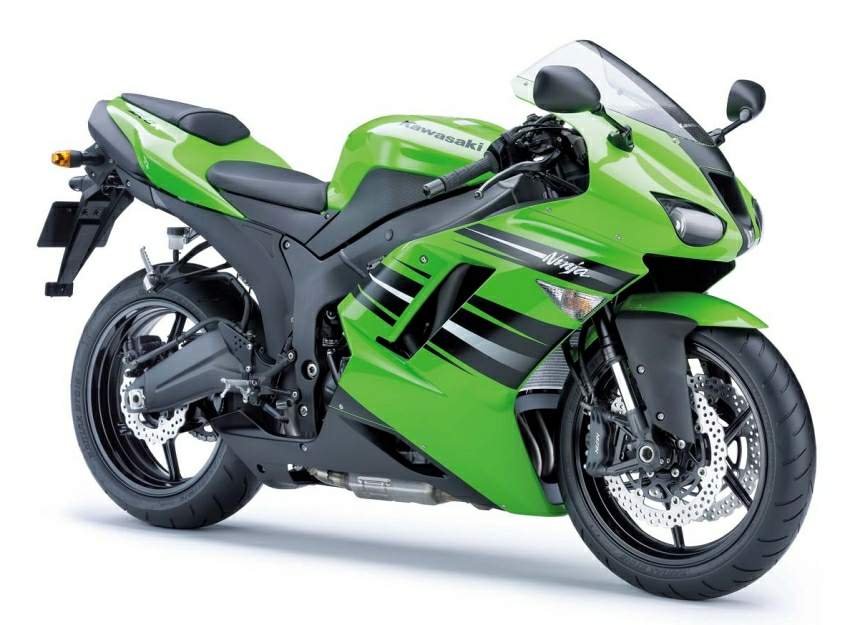
The 2007 and 2008 ZX-6R share a well-documented valve cover gasket failure that can drip oil onto the rear tire. Kawasaki never issued a formal NHTSA recall for this one, but they did release an updated valve cover gasket with a revised sealing profile, and dealers were authorized to perform the repair under warranty (ZX-6R forum, 2008). That’s not the same as a recall – no mandatory owner notification went out, meaning a good number of bikes changed hands with the original defective gasket still installed.
Oil on a rear tire isn’t a slow degradation problem. It’s a sudden-loss-of-traction problem. On dry pavement at low speed, you might get away with a greasy rear. In a corner under lean, you probably won’t.
If you’re looking at a used 2007 or 2008 ZX-6R, check the valve cover gasket area with a flashlight before you do anything else. Look for oil weeping at the seam between the cover and the head. A previous owner may have replaced it already, but verify – don’t assume.
2009-2012 ZX-6R and 2008-2011 ZX-10R: The Regulator/Rectifier Recall
This is the most far-reaching Kawasaki recall of the era: 20,544 sportbikes across two platforms, covering ZX-6R models from 2009-2012 and ZX-10R models from 2008-2011, all manufactured between December 14, 2007 and July 26, 2011 (NHTSA, 2012). The regulator/rectifier – the component that converts alternator output to a stable voltage and prevents the battery from overcharging – had a manufacturing flaw that caused it to overheat and fail.
When it fails on the low side, the battery slowly drains until the engine stalls. When it fails on the high side, it can cook both the battery and the stator coils in the same event. Stator replacement on a ZX-6R is a few hundred dollars in parts alone; on a ZX-10R, it goes higher. The recall fix was straightforward – Kawasaki dealers replaced the voltage regulator for free – but that was in 2012. Fourteen years later, plenty of these bikes have traded hands without the recall completed.
Run the VIN at nhtsa.gov before you buy. If the campaign is still open on the bike you’re looking at, that’s a negotiating point and a mandatory first service item.
2003 Z1000: Frame Cracking Near the Headstock
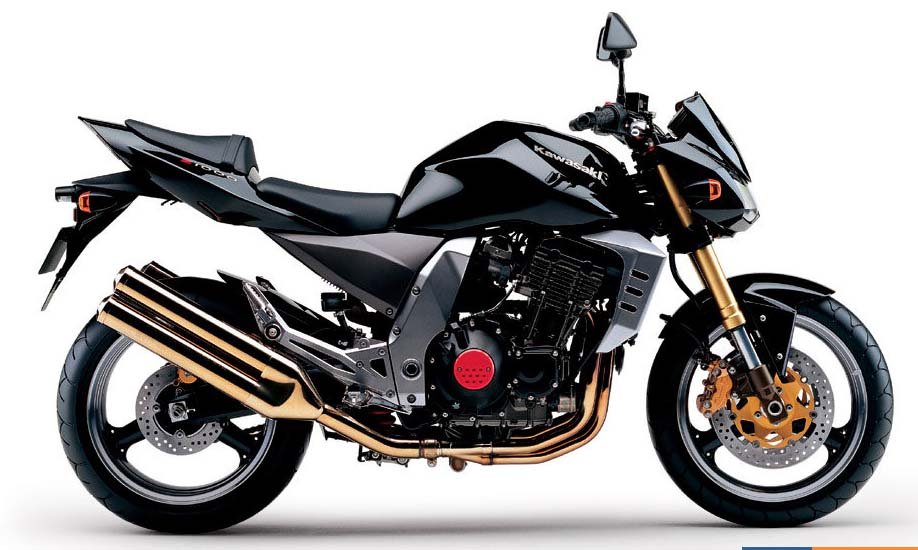
The first-generation Z1000 launched in 2003 to strong reviews and reasonable sales numbers. It also developed a problem that Kawasaki never formally recalled: cracking at the headstock area of the steel frame, specifically at the weld where the engine mounts connect to the front of the backbone (Bay Area Riders Forum, 2005). Multiple owners reported this across US and international forums, and Kawasaki did replace frames on a case-by-case basis – but there was no proactive notification, no VIN range, no public acknowledgment.
The 2003-only frame design was revised for 2004 and again for 2007, when the model received a full overhaul. If you find a 2003 Z1000 on the used market, it’s worth a look – but put a good light on that headstock area before you hand over any money. Hairline cracks in that location don’t always show obvious rust or paint bubbling.
The 2004 and later Z1000 models cleared up the headstock concern. The 2010-and-later generation, built on an aluminum frame, doesn’t carry this issue at all.
2024-2026 ZX-6R: The Most Serious Current Recall
The most significant active Kawasaki recall as of mid-2026 involves the 2024, 2025, and 2026 Ninja ZX-6R. Two separate NHTSA campaigns cover this bike – 25V376 (filed June 2025) and the expanded 25V798 (filed November 2025) – and both carry a do-not-ride instruction (NHTSA, 2025). The affected population is approximately 20,301 US units across all ZX-6R variants including ABS, KRT Edition, and the 40th Anniversary Edition.
The problem is a crankshaft bushing seizure caused by over-torqued crankshaft bolts during assembly. When the bushing starves of oil and seizes, the engine locks solid without warning. A locked engine at highway speed means an instantly locked rear wheel. The first recall attempt (25V376) involved re-torquing the crankshaft bolts, but Kawasaki was unable to reproduce a successful fix and expanded the campaign to include 2026 models.
Do not buy a 2024-2026 ZX-6R from a private seller until you confirm the current recall status on nhtsa.gov. This is not a theoretical risk – Kawasaki produced a stock engine seizure in their own lab during investigation (Motorcycle.com, 2025).
Kawasaki Model Years That Have Held Up Well
The concerns above cover specific models and specific year ranges. Most of Kawasaki’s lineup has a clean record. A few examples worth knowing:
The Ninja 400 (2018-present) has no significant recall history and a consistent reputation for durability across owner communities. The Z650 and Ninja 650 from 2017 onward run the same revised parallel-twin and have been largely trouble-free. The ZX-10R from 2016 onward – particularly the 2016-2020 generation – moved past the early charging system issues with a more reliable electrical architecture.
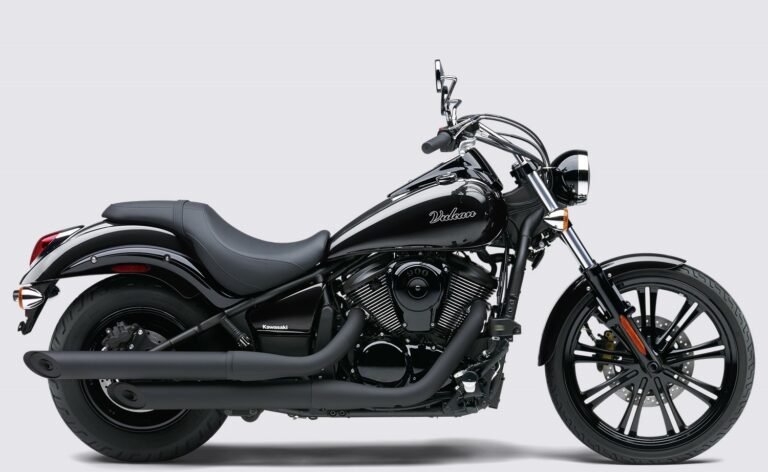
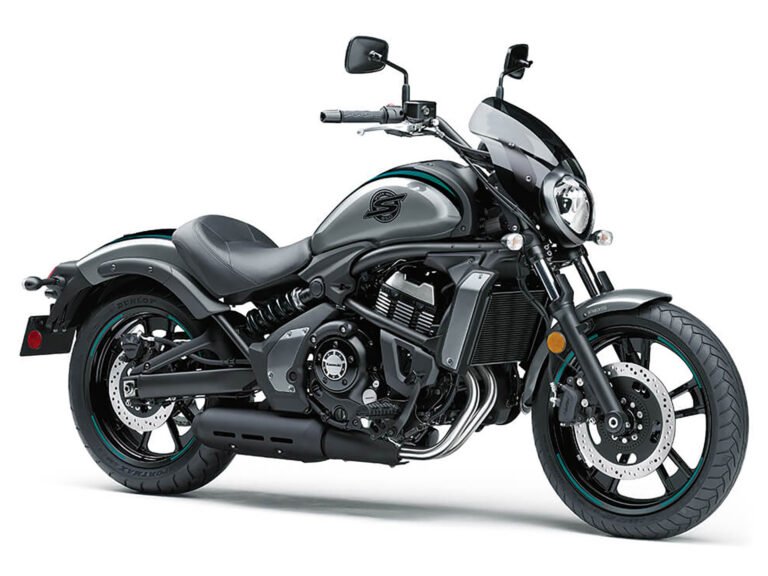
For cruiser buyers, the Vulcan S (2015-present) and Vulcan 1700 Voyager have clean safety records. The Vulcan 900 ticks and clacks more than some riders like – that’s a solid-lifter valve train characteristic, not a defect – but it’s not a reason to walk away from one.
If you want to buy a used Kawasaki sportbike and stay away from anything with documented trouble, the 2013-2022 ZX-6R (specifically excluding the 2024+ generation) and the 2012-2015 ZX-10R are among the safest choices on the used market.
How to Check Recall Status Before Buying Any Used Kawasaki
Run the VIN through the NHTSA Vehicle Safety Hotline database at nhtsa.gov/recalls before you buy. Enter the 17-character VIN and the system returns any open safety campaigns tied to that specific bike. A completed recall shows as closed; an open campaign means the repair hasn’t been done and the liability travels with the bike.
You can also call Kawasaki USA directly at 1-855-878-4217 and provide the VIN; they can confirm recall completion status from their dealer service records.
Frequently Asked Questions About Kawasaki Years to Avoid
Which Kawasaki model years are the safest to buy used right now?
The 2013-2022 ZX-6R, 2016-2023 ZX-10R, 2018-present Ninja 400, and 2017-present Ninja 650 are among the cleanest used buys in the Kawasaki lineup. None of these model year ranges carry open NHTSA campaigns or documented widespread defects that weren’t addressed under warranty. Always run the VIN at nhtsa.gov regardless of what a seller tells you.
Is the 2024-2026 Ninja ZX-6R safe to ride right now?
No. As of mid-2026, both NHTSA recall campaigns (25V376 and 25V798) for the 2024-2026 ZX-6R carry do-not-ride instructions until the repair is completed. The crankshaft bushing issue can cause sudden engine seizure and rear wheel lockup without warning. If your bike is affected, contact Kawasaki at 1-855-878-4217 or your dealer to get into the repair queue.
Did Kawasaki fix the ZX-6R and ZX-10R regulator/rectifier recall?
Yes, but only on bikes that were brought in. Kawasaki dealers replaced the voltage regulator at no charge starting February 27, 2012 (NHTSA, 2012). The issue is that many of these bikes are now 12-15 years old and on their second or third owner. If you’re buying a 2009-2012 ZX-6R or 2008-2011 ZX-10R, ask for dealer service records showing the recall was completed, or budget for a regulator/rectifier replacement as a first-order item.
What should I inspect on a used 2003 Z1000 before buying?
Focus on the headstock weld area – specifically where the engine mounts meet the front of the steel frame backbone. Use a flashlight and look for hairline cracks, fresh paint over a seam, or any signs of welding repair. Also check the exhaust header nuts (they come loose on 2003 models) and push each spark plug coil connector firmly down into its seat, as they tend to back out over time.
Are Kawasaki Vulcan models known for serious reliability problems?
No. The Vulcan lineup doesn’t carry the kind of documented NHTSA safety defects that the sportbike models have. The Vulcan 900 has a well-known mechanical ticking from its solid-lifter valve train, which concerns new owners but is normal operation. The Vulcan 1500 and 1600 cam chain tensioners do wear and require head removal to service – a real job – but it’s a maintenance item, not a factory defect.