Yamaha XT250 Top Speed, Specs & Review
TL;DR
- The Yamaha XT250 top speed is roughly 70-75 mph GPS-verified, with the stock speedometer reading 4-8 mph optimistically.
- Power comes from a 249cc air-cooled, fuel-injected single making approximately 19 hp and 14.7 lb-ft of torque.
- MSRP is $5,199 in the US; the bike has carried that price without a significant mechanical update since gaining fuel injection in 2013.
- At 291 lbs wet and a 31.9-inch seat height, it’s one of the most accessible dual-sports on the market for shorter or newer riders.
- The XT250 is best suited for beginners, commuters with dirt-road segments, and riders who want genuine off-road capability without a steep learning curve.
Yamaha XT250 Top Speed: What the Numbers Actually Mean
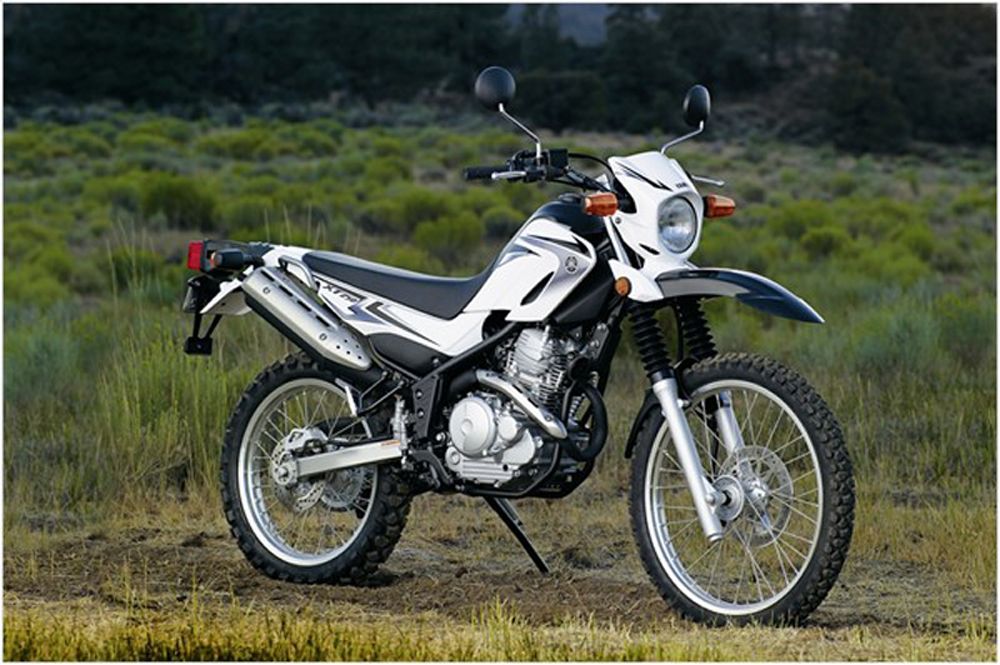
The Yamaha XT250 tops out between 70 and 75 mph under real riding conditions, based on GPS-verified owner data. That’s roughly 10-20 mph off what some aggregator sites list, because the stock speedometer reads optimistically by 4-8 mph (BobIsTheOilGuy forum, 2018). In other words, when the gauge says 73 mph, actual ground speed is closer to 65-67 mph.
That gap matters if you plan to run it on US highways. The XT250 can hold 65 mph comfortably on flat ground, but it runs out of steam after that. The engine is already near its limit at that point; you can feel the vibration pick up and the power delivery go flat. Owners consistently report the bike feels happiest at 35-55 mph, which is exactly the speed range its tall gearing and modest power plant were designed for.
Biketopspeed.com (2026) and UltimateSpecs (2023) both peg the top speed at 69-78 mph depending on conditions. Wind, rider weight, and road grade all shift that window. A 200-lb rider on flat highway in a full tuck might see 75 mph on the GPS. A heavier rider heading uphill into a headwind will run out of road at 62.
One forum review from 2015 (TW200 Forum) noted instability above 75 mph, describing the handling as “almost dangerously unstable” at those speeds – the bike was not built for sustained high-speed freeway use, and that shows in the chassis tune. Below 75, the handling is stable and predictable.
Full Yamaha XT250 Specs (2025)
| Spec | Detail |
|---|---|
| Engine | 249cc, single-cylinder, 4-stroke, SOHC |
| Cooling | Air-cooled |
| Fuel System | Yamaha Fuel Injection (YFI) |
| Bore x Stroke | 74.0 x 58.0 mm |
| Compression Ratio | 9.5:1 |
| Power | ~19 hp |
| Torque | ~14.7 lb-ft |
| Transmission | 5-speed, wet multi-plate clutch |
| Final Drive | Chain |
| Top Speed | ~70-75 mph (GPS-verified) |
| Seat Height | 31.9 inches |
| Ground Clearance | 11.2 inches |
| Wet Weight | 291 lbs |
| Wheelbase | 53.5 inches |
| Front Suspension | 35mm telescopic fork, 8.9 inches travel |
| Rear Suspension | Monocross linkage, adjustable preload, 7.1 inches travel |
| Front Brake | 245mm disc |
| Rear Brake | 203mm disc |
| Front Tire | 2.75-21 |
| Rear Tire | 120/80-18 |
| Fuel Tank | 2.6 gallons |
| Fuel Economy | ~75 mpg (Yamaha USA, 2025) |
| MSRP (US) | $5,199 |
Sources: Yamaha USA (2025), UltimateSpecs (2023)
Engine and Power Delivery: Honest Assessment

The XT250 runs a 249cc air-cooled, fuel-injected single producing around 19 hp and 14.7 lb-ft of torque. Those numbers don’t look impressive next to a modern Honda CRF300L’s 26 hp, but the XT250’s power delivery is linear and predictable in a way that takes deliberate engineering to achieve.
The 2-valve SOHC head keeps the power band wide and mellow. You don’t need to chase revs to move briskly in traffic, and the engine doesn’t surprise newer riders with sudden surges mid-corner. Throttle off, throttle on – it responds honestly. That’s worth more than headline horsepower when you’re still learning to manage traction on loose dirt.
Fuel injection arrived in 2013 and it’s been one of the biggest real-world improvements over the older carbureted XT225. Cold starts are now effortless year-round, and the flat spot around 35-40 mph that some owners report is a tuning quirk of the YFI system at that throttle opening, not a sign of a sick engine. The carbureted version required jetting tweaks for altitude; the FI version handles it automatically.
The 5-speed wide-ratio gearbox is well-matched to the engine. First gear is low enough for tight technical trails, and fifth stretches far enough for relaxed 55-mph country road cruising. The only real gap is at the top: if you run the bike on an interstate at 70 mph, it’s sitting at or near redline, and the engine lets you know it.
Suspension, Handling, and Off-Road Capability
The XT250 handles with the confidence of a bike designed to do one thing well: go anywhere without drama. The 35mm telescopic fork offers 8.9 inches of front travel and the Monocross rear gives 7.1 inches, which is enough travel for moderate trail work, fire roads, and the kind of single-track that doesn’t require a full enduro machine.
Ground clearance is a legitimate 11.2 inches. That’s not a marketing measurement stretched to sound good – you can clear most trail obstacles a beginner-to-intermediate rider would encounter. The wheelbase of 53.5 inches combined with a 51-degree maximum steering angle gives the bike a turning radius tight enough to feel like a trials machine in tight spots.
The suspension isn’t adjustable beyond rear preload. On rough, high-speed trails, you’ll feel the limits of the budget damping when you hit square-edged rocks or big washboard sections. At trail pace – which is exactly where this bike should be ridden – it works well. Pushing it faster on rough terrain is where the chassis reminds you it’s a $5,199 beginner dual-sport.
The stock Bridgestone Trail Wing tires are a fair compromise between paved and dirt performance. They’re not aggressive enough for serious single-track but handle light gravel and hard-packed dirt confidently. If your riding is predominantly off-road, a set of Dunlop D606s or Pirelli MT 21s will transform the bike’s dirt traction meaningfully.
What It’s Actually Like to Ride
The XT250 rewards patience and punishes impatience – which makes it the ideal training ground for a new rider. Sit on it, and the 31.9-inch seat height means most riders under 5’10” can get both feet flat on the ground. At 291 lbs wet, it’s light enough to pick back up after a tip-over without a struggle.
Street manners are easy. The upright riding position doesn’t fatigue you on commutes under 30 miles. The digital LCD panel is clear and shows what you need: speed, odometer, trip, fuel level indicator. The 60/55-watt halogen headlight is adequate for night riding but not exceptional.
Highway riding is possible but not comfortable. At 65-70 mph, engine vibration transmits through the bars and pegs, and the stock seat doesn’t have the padding for extended interstate stints. Treat it as a bike for A-to-B commuting with unpaved segments, not as a touring machine.
Where the XT250 genuinely excels is the mixed-use day: paved road to a trailhead, a few hours of trail riding, then pavement home. That’s the exact use case it was designed for, and nothing in this price bracket does it better without asking significantly more from the rider.
Who Should Buy the Yamaha XT250
The XT250 is the right bike for three specific types of rider.
First, the true beginner who wants to start on a machine that won’t overwhelm them. The low seat height, light weight, and gentle power delivery create a small margin for error that builds confidence rather than punishing mistakes. It’s genuinely approachable in a way that many “beginner” bikes aren’t.
Second, the commuter who has at least one unpaved stretch in their daily route. The bike handles pavement well enough for urban use and transitions to dirt without complaint. Fuel economy of around 75 mpg (Yamaha USA, 2025) keeps running costs low.
Third, the experienced rider looking for a dedicated beginner bike for a family member, or a cheap second bike they won’t stress over dropping on trails. The XT250 asks nothing in terms of maintenance complexity and rewards basic care with long service life.
The rider who should look elsewhere is anyone planning consistent highway miles above 65 mph, technical single-track at speed, or heavy adventure touring with luggage. For those riders, the Honda CRF300L or Kawasaki KLX300 both offer more engine and more suspension for similar money.
Frequently Asked Questions About the Yamaha XT250
What is the top speed of the Yamaha XT250?
The Yamaha XT250 reaches 70-75 mph GPS-verified in real-world conditions. The stock speedometer reads 4-8 mph high, so when the gauge shows 73 mph, actual speed is closer to 65-67 mph (BobIsTheOilGuy forum, 2018). On a flat road with a lighter rider, 75 mph GPS is achievable but represents the bike running near its limit.
How much horsepower does the Yamaha XT250 make?
The XT250 produces approximately 19 hp and 14.7 lb-ft of torque from its 249cc air-cooled single-cylinder engine (Yamaha USA, 2025). Power output is tuned for tractable, beginner-friendly delivery rather than peak performance, so the power band is wide and linear across most of the rev range.
Is the Yamaha XT250 good for highway riding?
The XT250 can maintain 60-65 mph on flat highway, but it’s not comfortable there for long. Above 65 mph the engine is near its limit, vibration increases through the bars and pegs, and the stock seat lacks padding for sustained interstate stints. It works well for highway on-ramps and short connector segments, not for regular freeway commuting.
How does the Yamaha XT250 compare to the Honda CRF300L?
The CRF300L has more power (26 hp vs. ~19 hp), a more modern chassis, and better suspension for serious off-road use. It also costs more and sits higher. The XT250 is lighter, cheaper, and more accessible for shorter riders or beginners. If you’re a confident rider who wants to push into more technical terrain, the CRF300L is the better tool. If you’re new or want a relaxed dual-sport for mixed riding, the XT250 fits better.
What year did the Yamaha XT250 get fuel injection?
Yamaha added fuel injection to the XT250 in 2013. Before that, the bike ran a carburetor and required jetting adjustments for altitude or temperature changes. The fuel-injected version starts reliably in cold weather without warm-up rituals and handles altitude automatically, which removed one of the few real-world complaints owners had with earlier models.