Yamaha Zuma 125 Top Speed, Specs & Review
TL;DR
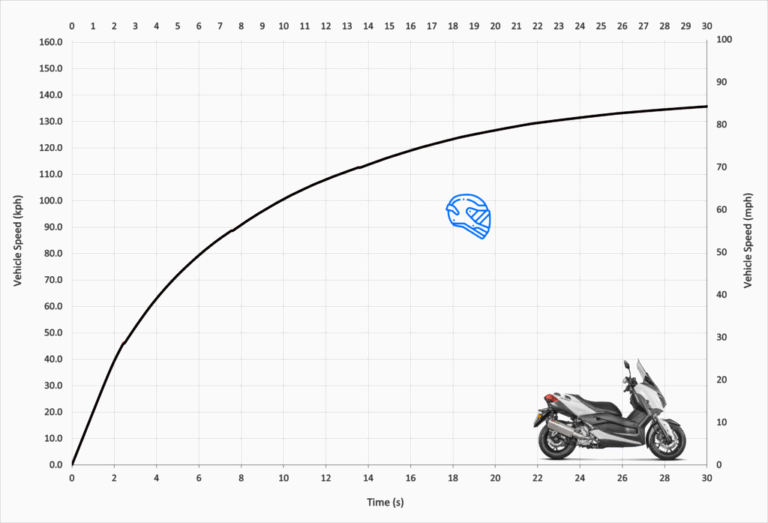
- The Yamaha Zuma 125 has a real-world top speed of approximately 61 mph on flat pavement – fast enough for city streets, too slow for highway use.
- It runs a 125cc liquid-cooled, fuel-injected, 4-stroke single with Variable Valve Actuation (VVA) and a V-belt automatic transmission.
- Yamaha rates fuel economy at 101 mpg; real-world figures with heavier riders tend to run closer to 75-85 mpg.
- The 2026 model starts at $3,799 MSRP, plus a $450 destination charge.
- The Zuma 125 is best suited for urban commuters, first-time riders, and campground exploration – not highway travel.
Yamaha Zuma 125 Specs at a Glance
| Spec | 2026 Yamaha Zuma 125 |
|---|---|
| Engine | 125cc liquid-cooled, 4-stroke SOHC single, 4 valves |
| Bore x Stroke | 52.0mm x 58.7mm |
| Compression Ratio | 11.2:1 |
| Fuel Delivery | Fuel injection (FI) |
| Transmission | V-belt automatic (CVT) |
| Top Speed | ~61 mph (GPS-verified, third-party testing) |
| Fuel Economy | 101 mpg (Yamaha estimate); 75-85 mpg real-world |
| Front Suspension | Telescopic fork, 3.2 in travel |
| Rear Suspension | Dual shocks, swingarm, 3.1 in travel |
| Front Brake | 245mm disc, double-piston caliper |
| Rear Brake | 230mm disc, single-piston caliper |
| Front Tire | 120/70-12 |
| Rear Tire | 130/70-12 |
| Seat Height | 30.9 in |
| Wet Weight | 282 lb |
| Fuel Capacity | 1.6 gal |
| Wheelbase | 52.8 in |
| MSRP (2026) | $3,799 + $450 destination |
Sources: Yamaha Motorsports USA (2026); Motorcycle.com (2024)
Yamaha Zuma 125 Top Speed: What You’ll Actually See on the Road
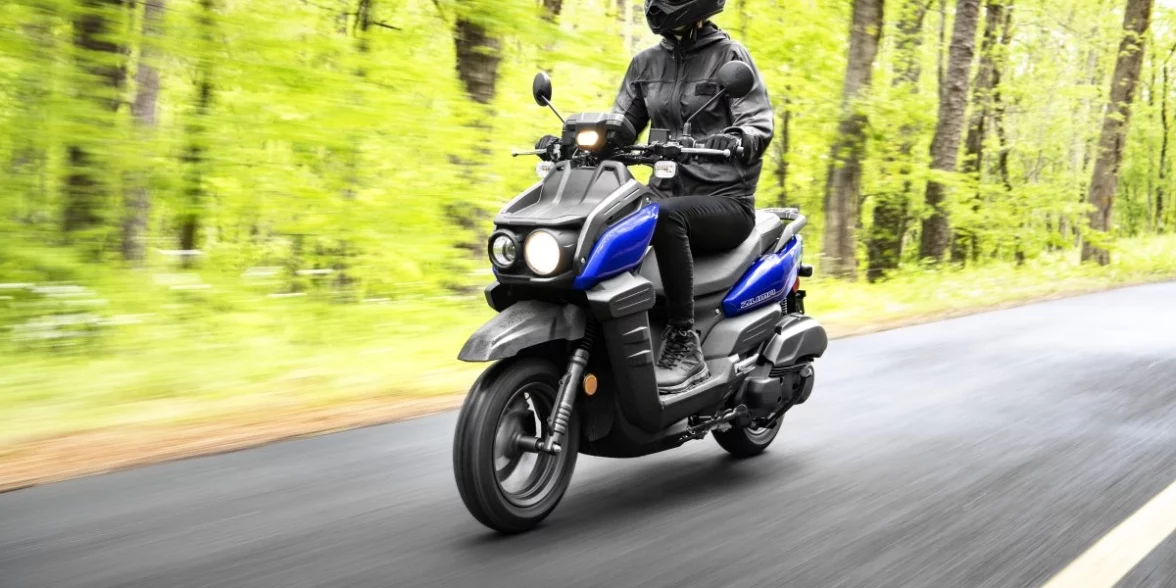
The Yamaha Zuma 125 tops out at approximately 61 mph on flat pavement with an average-sized rider. That figure comes from third-party GPS testing, not the speedometer – and the distinction matters because the Zuma’s speedo reads roughly 5% optimistic, so if it’s showing 60 mph, you’re doing closer to 57 (MotorScooterGuide, 2022). NCY Motorsports reports a ceiling of 60 mph; Topspeed.com’s review recorded 61 mph under ideal conditions.
Add a heavier rider, a headwind, or a climbing grade, and expect to see 55-58 mph as the real working ceiling. This scooter is not built for slab time. Most US states allow 125cc machines on roads posted up to 45 or 50 mph, and the Zuma handles that territory confidently. Merge onto a 65 mph highway and it’ll be running at its absolute limit – not a comfortable place to live.
For the riding the Zuma is actually designed to do – urban stop-and-go, neighborhood errands, light rural roads – the performance is adequate. Off the line the V-belt CVT gives you immediate, smooth pull. There’s no clutch lever to feather, no gear to miss, just throttle and go.
The Blue Core VVA Engine: What Powers the Zuma 125
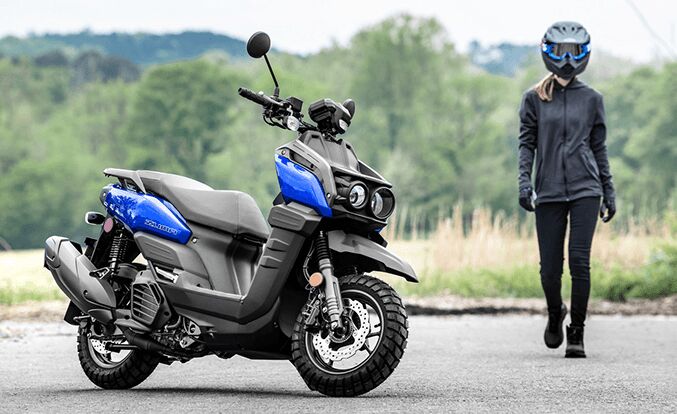
The Zuma 125 runs Yamaha’s Blue Core 125cc liquid-cooled, 4-stroke, single-cylinder engine with a SOHC 4-valve head. The bore-and-stroke is 52.0mm x 58.7mm, giving it a slightly undersquare character that favors mid-range pull over high-revving top-end power. Compression sits at 11.2:1 – notably higher than the 10.0:1 ratio used in the pre-2022 engine (Motorcycle.com, 2021).
The standout feature is Variable Valve Actuation (VVA). At lower rpm, VVA holds intake valve timing in a setting that builds torque quickly off idle. Once you pass the threshold, it switches to a higher-lift cam profile that keeps power going into the upper rev range. The result is throttle response that feels livelier than the displacement suggests. Third-party sources report approximately 8 hp and 7 lb-ft of peak torque, though Yamaha USA does not publish official horsepower or torque figures for this model.
The cylinder itself uses Yamaha’s DiASil aluminum – a die-cast aluminum alloy with high silicon content – for improved heat dissipation without the weight penalty of a steel liner. Combined with the liquid cooling, the engine stays thermally stable even in slow city traffic on a summer afternoon.
How the Zuma 125 Rides: Handling, Comfort, and Ergonomics
The Zuma 125 is easy to ride and deliberately so. The 30.9-inch seat height and step-through steel frame make it accessible to shorter riders. At 282 lb wet, it’s light enough to maneuver in parking lots and stable enough to feel planted at 50 mph. Most riders with a 30-inch inseam or longer can flat-foot comfortably at stops.
The telescopic front fork offers 3.2 inches of travel and the dual rear shocks manage 3.1 inches – enough to absorb cracked pavement and shallow potholes without jarring your wrists. The front 245mm disc with a double-piston caliper and rear 230mm disc provide stopping power well matched to the bike’s weight and speed capability. Don’t expect sportbike feel, but they’re precise and consistent.
The 120/70-12 front and 130/70-12 rear tires use a block-tread pattern with enough grip for city conditions. They’re not track rubber, and you won’t be leaning aggressively into corners, but they handle light gravel and wet pavement better than slick street-biased tires would. One honest note: the 12-inch wheels make the ride more sensitive to potholes and expansion joints than a larger-wheeled scooter would be.
Practical Features: Storage, Fuel Range, and Daily Usability
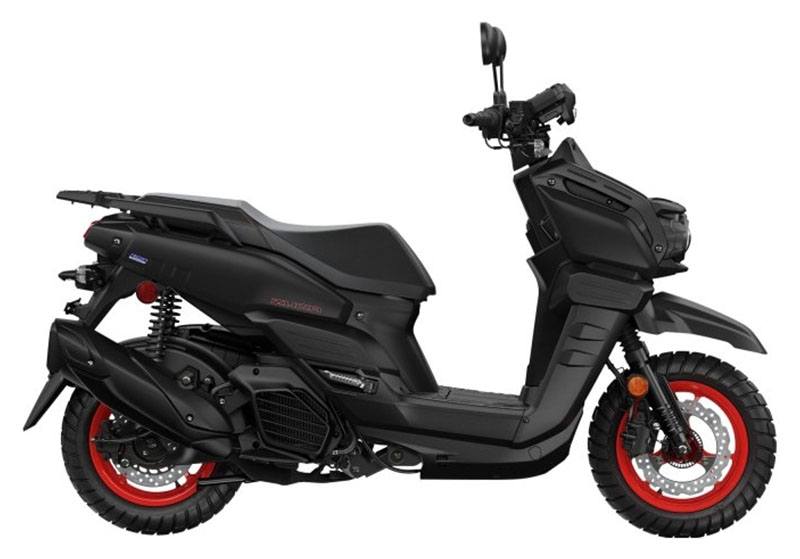
The Zuma 125’s practical spec sheet reads well for commuter duty. The underseat storage compartment fits a full-face helmet and uses two helmet hangers. The front compartment includes a USB charging socket, so you can top off a phone during a ride. A center stand and side stand both come standard, which is a genuine convenience for parking on anything less than perfectly level ground (Yamaha Motorsports USA, 2026).
The 1.6-gallon tank at 101 mpg works out to a theoretical range of around 160 miles. In real-world riding with a heavier foot and heavier rider, 120-130 miles is a more honest planning figure. Either way, you’ll refuel infrequently.
Two color options are available for 2026: Matte Black and a two-tone Blue. Both carry identical specifications and identical pricing. There are no trim levels or option packages.
One thing to know before you buy: the Zuma 125 is rated for two-up riding. Passenger footpegs fold out from the bodywork and there are integrated handholds. But with 8 hp on tap and 282 lb curb weight, adding a passenger will push the top speed down noticeably. Plan accordingly.
Yamaha Zuma 125 Maintenance: What to Expect as an Owner
The Zuma 125 runs a V-belt CVT (continuously variable transmission), and the belt is the first wear item most owners encounter. Plan on replacing it around 12,000-15,000 miles before it fails rather than after (LookOver Powersports, 2025). A snapped belt is a roadside breakdown; a worn belt is a scheduled shop visit.
Engine oil capacity is 0.85 L (about 0.9 US quarts). Yamaha recommends a 10W-40 or 10W-50 oil meeting API SG or higher and JASO MA or MA2 standard – Yamalube 4 covers both, as does Motul 5100 or Castrol Power1. The first oil change is due at break-in (around 600 miles); subsequent intervals are typically every 1,500-2,000 miles or annually, whichever comes first. The oil strainer should be cleaned at each change.
The spark plug gaps at 0.8-0.9mm and the owner’s manual calls for replacement at 4,000 miles (Yamaha Zuma 2022 Owner’s Manual, ManualsLib). Use an NGK CR7E or the Yamaha OEM equivalent. The air filter on the 2022+ Zuma uses a disposable oil-coated paper element – do not clean with compressed air, replace it outright. Valve clearance checks belong on the schedule at break-in and again around 8,000 miles.
The final drive runs in its own gear oil reservoir, separate from the engine. Check it for leaks at each service and change it every 4,000 miles.
Frequently Asked Questions About the Yamaha Zuma 125
What is the top speed of the Yamaha Zuma 125?
The Yamaha Zuma 125 reaches approximately 61 mph on flat pavement with an average rider, based on GPS-verified third-party testing. The onboard speedometer reads about 5% optimistically, so it may show 63-65 mph when the actual speed is closer to 60-61 mph (MotorScooterGuide, 2022). Wind, hills, and rider weight all push that ceiling lower.
Can the Yamaha Zuma 125 go on the highway?
The Zuma 125 can physically reach highway speeds only briefly, and it’s not recommended for sustained highway use. At 61 mph top speed, it has no speed reserve on a 65 mph interstate, and 70 mph highways are simply out of range. Most US state regulations also restrict 125cc vehicles from limited-access highways. Use it on roads posted 45-50 mph or below, and it’s in its element.
How many miles per gallon does the Yamaha Zuma 125 get?
Yamaha rates the Zuma 125 at 101 mpg. Real-world economy varies by rider weight and riding style. A 160-pound rider in mixed city conditions can expect 85-90 mpg. A heavier rider running the throttle hard will see 75-80 mpg. With a 1.6-gallon tank, that works out to roughly 120-160 miles of range per fill-up (MotorScooterGuide, 2022).
What engine oil does the Yamaha Zuma 125 take?
The Zuma 125 uses 0.85 L of 10W-40 or 10W-50 engine oil meeting API SG or higher and JASO MA or MA2 standards. Yamaha’s own Yamalube 4 is the spec recommendation, but Motul 5100 and Castrol Power1 in the correct viscosity also meet the standard. Change it at the break-in service around 600 miles and every 1,500-2,000 miles after that, or once per year (Yamaha Zuma 2022 Owner’s Manual).
Who is the Yamaha Zuma 125 best for?
The Zuma 125 is best for urban commuters looking for cheap, low-maintenance transportation under the 50 mph threshold, first-time riders building confidence on a scooter before stepping up to a larger machine, and campground or neighborhood explorers who want something more capable-looking than a typical 50cc twist-and-go. It’s not a good fit for riders who need highway access, two-up touring range, or sporting performance.