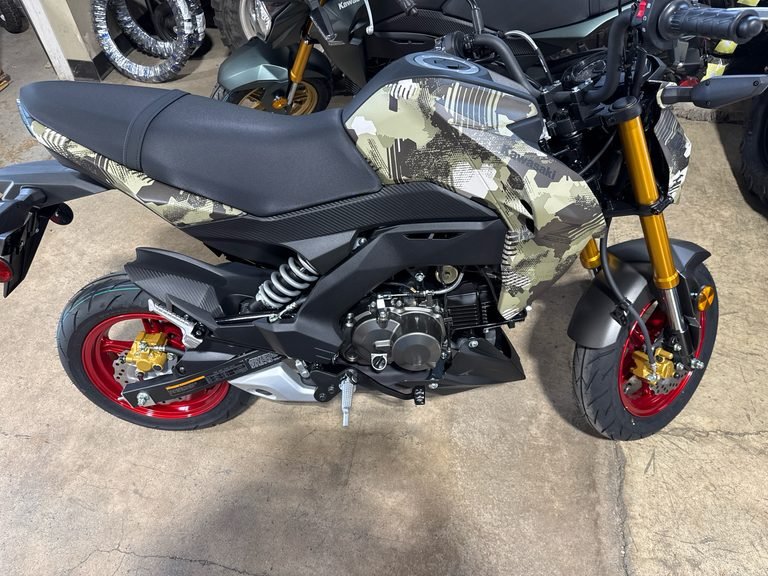
Kawasaki Eliminator Top Speed, 0-60 Time & Specs Review
TL;DR
- The 2026 Kawasaki Eliminator’s GPS-tested top speed sits around 102.5 mph, recorded on a base model in a documented highway run.
- On an independent in-house dyno test, the Eliminator SE put down 47.22 hp at 10,430 rpm and 29.03 lb-ft of torque at the rear wheel.
- No major outlet has run a timed 0-60 test on the current 451cc Eliminator; third-party calculators put it around 14.4 to 14.5 seconds, and that’s an estimate, not a stopwatch number.
- Base MSRP starts at $6,499 non-ABS and $6,799 ABS, with the Eliminator SE ABS at $7,099.
- Both trims share the same 451cc parallel-twin engine and chassis. The SE only adds cosmetic and comfort extras, not performance.
What’s the Kawasaki Eliminator’s Top Speed?
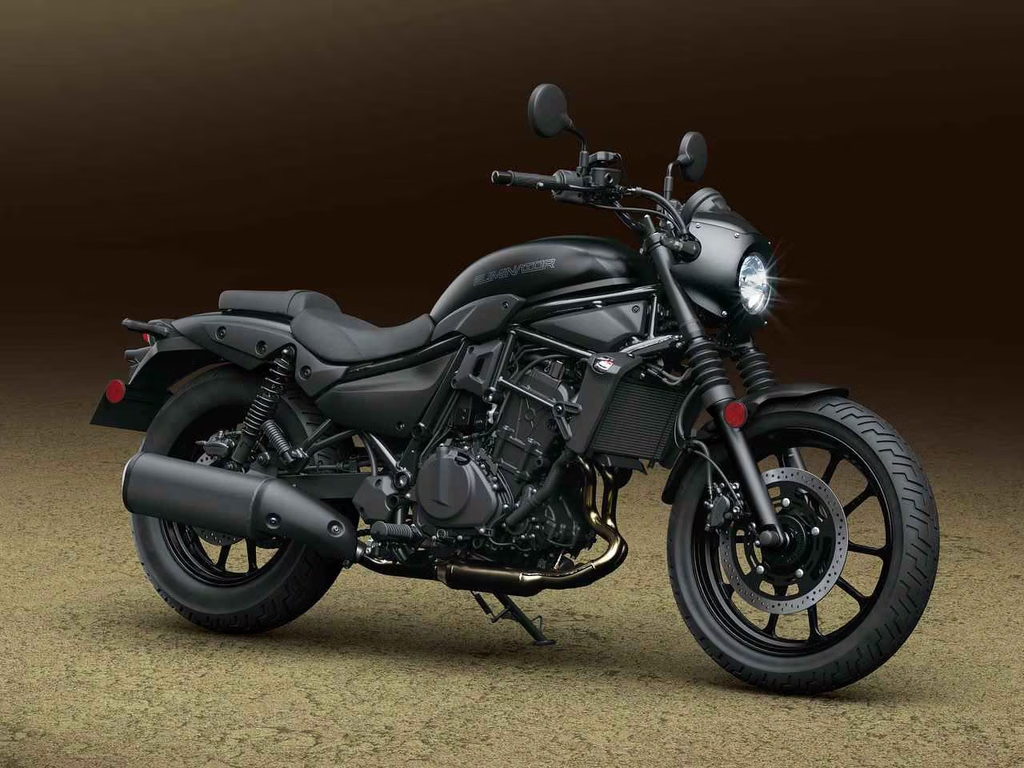
The Eliminator tops out at roughly 102 to 103 mph in real-world GPS testing. In April 2024, the YouTube channel MotoSnax clocked a stock Eliminator at 165 km/h (102.5 mph) on a public highway (MotoSnax, 2024). That’s the only independently verified top-speed run available on this generation of the bike as of this writing.
Kawasaki doesn’t publish an official top speed for the Eliminator, which is normal. Manufacturers rarely list top speed on a spec sheet because it varies with rider weight, wind, road grade, and how long you can hold the throttle open before running out of room. The 102 mph figure lines up with what you’d expect from a 451cc parallel-twin making around 47 rear-wheel horsepower in a cruiser-styled chassis that isn’t built to slip through the air.
Don’t expect to hold triple digits for long. The Eliminator’s riding position is upright and its fairing-less bodywork catches wind hard past 80 mph. Most owners report the bike feels most comfortable cruising in the 70 to 85 mph range, with the top end there for passing power rather than sustained highway blasting.
How Fast Is the Eliminator’s 0-60 Time?
Nobody has run a timed 0-60 test on the current 451cc Eliminator yet. As of mid-2026, no major motorcycle publication has published a stopwatch-verified acceleration number for this bike.
The closest thing available is a third-party calculator estimate of roughly 14.4 to 14.5 seconds for 0-60 mph (Autosnout, 2024). Take that number with a grain of salt. Calculator estimates like this one work backward from horsepower-to-weight ratios rather than an actual run down a drag strip, so they tend to miss real-world variables like clutch engagement, launch technique, and gearing at low rpm.
What we do know from ride reviews is that the Eliminator’s low-end torque makes it feel quicker off the line than its numbers suggest. First-ride impressions have described the acceleration as lively for the class, and the torque peak at 7,500 rpm means the bike pulls hard well before it’s anywhere near redline. This section will get updated the moment a publication puts a stopwatch on the current model.
Kawasaki Eliminator Specs (2026 Base and SE)
Both the base Eliminator and the Eliminator SE run the same engine, frame, suspension, and brakes. The SE adds a headlight cowl, two-pattern seat, fork boots, exclusive paint, and a waterproof USB-C outlet, but nothing here changes how the bike performs.
| Spec | Eliminator (Base) | Eliminator SE |
|---|---|---|
| Engine | 451cc parallel-twin, DOHC, liquid-cooled | Same |
| Bore x Stroke | 70.0mm x 58.6mm | Same |
| Compression Ratio | 11.3:1 | Same |
| Claimed Horsepower | 51 hp @ 10,000 rpm | Same |
| Claimed Torque | 31.7 lb-ft @ 7,500 rpm | Same |
| Transmission | 6-speed, chain final drive | Same |
| Seat Height | 28.9 in | Same |
| Curb Weight | 385.9 lb (non-ABS) / 388.1 lb (ABS) | 388.1 lb (ABS only) |
| Fuel Capacity | 3.4 gal | Same |
| Front Brake | 310mm disc, twin-piston caliper | Same |
| MSRP | $6,499 non-ABS / $6,799 ABS | $7,099 |
Kawasaki’s claimed horsepower figure of 51 hp comes from the ISO 4106 standard, which measures differently than the SAE standard used for most car dyno numbers (Kawasaki, 2026). That’s worth knowing because an independent rear-wheel dyno test came in lower, at 47.22 hp, which is the expected gap between a manufacturer’s crank-rated claim and what actually reaches the rear tire after drivetrain loss (Cycle World, 2024).
What’s the Eliminator’s Engine Actually Like to Ride?
The Eliminator’s 451cc parallel-twin is a stroked version of the Ninja 400 and Z400 engine, punched out by 6.8mm for more low-end torque. That heritage shows up the moment you crack the throttle. Roll-on from a stop is smooth and predictable, which is exactly what Kawasaki was targeting for a bike aimed at newer riders.
The tradeoff is character. The 180-degree crank gives the engine a buzzy, high-revving personality rather than the relaxed thump you’d get from a v-twin cruiser. It’s not a deal-breaker, just a different flavor. Think of it less like a traditional cruiser motor and more like a sport-bike engine wearing a cruiser’s clothes.
Torque peaks at 7,500 rpm, and the bike pulls cleanly all the way toward its roughly 10,500 rpm ceiling. That means you don’t have to short-shift to feel the power. A six-speed gearbox with a slip-and-assist clutch keeps shifts light, and the clutch pull is easy enough for a rider building hand strength for the first time.
Handling, Seat Height, and Everyday Ergonomics
At 28.9 inches, the Eliminator’s seat height is low enough for most riders to flat-foot at a stop, which is a big part of why it’s become a common recommendation for new and shorter riders. The trellis frame keeps curb weight under 390 pounds across every trim, so the bike is easy to muscle around a parking lot or push out of a garage.
The riding position is more upright than a typical cruiser, with grips and pegs positioned so your knees and shoulders don’t feel cramped. That makes the Eliminator comfortable in stop-and-go traffic and on backroads alike, though the small 3.4-gallon tank limits highway range to somewhere around 140 to 150 miles between fill-ups, depending on how much throttle you’re using.
Suspension is basic but adequate: a 41mm telescopic fork up front and twin shocks out back, neither of which is adjustable. That’s normal for the price point and won’t bother most riders who bought the Eliminator for commuting and weekend rides rather than aggressive canyon carving.
Eliminator vs. Eliminator SE: What Actually Changes
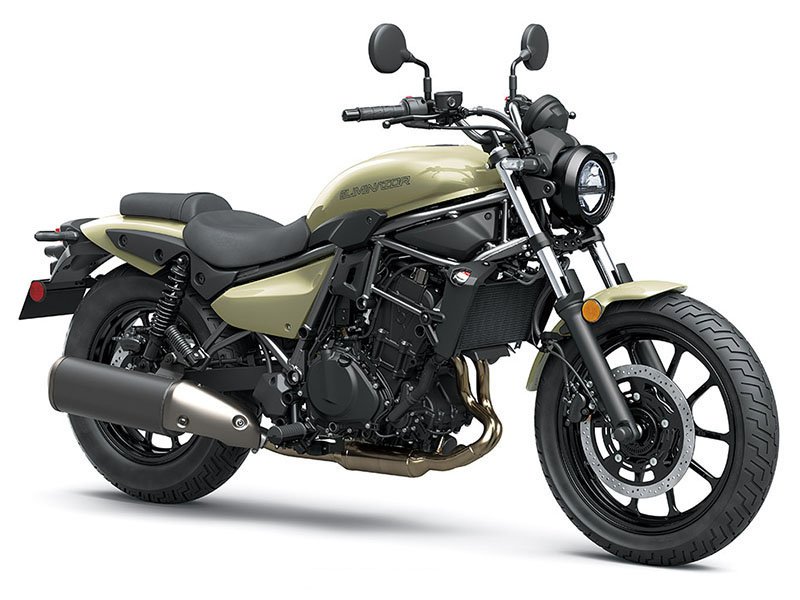
The SE trim is a styling and comfort package, not a performance upgrade. You’re paying an extra $300 to $600 (depending on how you compare ABS trims) for a headlight cowl, fork boots, a two-pattern seat, exclusive paint and graphics, and a waterproof USB-C outlet for charging a phone or GPS unit on the road.
Every performance number in this article, top speed, horsepower, torque, and weight, applies equally to both trims since they share the same engine, frame, and running gear. If you don’t care about the cosmetic extras, the base Eliminator gets you the identical riding experience for less money.
The SE only comes in ABS. If you want a non-ABS Eliminator, you’ll need to buy the base trim, since Kawasaki doesn’t offer that combination on the SE.
Is the Kawasaki Eliminator Worth the Price?
At $6,499 to $7,099 depending on trim and ABS, the Eliminator is priced squarely in the entry-level cruiser bracket. For that money, you get a liquid-cooled, DOHC parallel-twin with a slip-and-assist clutch, a low 28.9-inch seat, and a sub-390-pound curb weight, all of which are features you’d typically expect on a pricier bike.
The Eliminator’s higher-revving engine gives it more urgency off the line than most cruisers in its price range, which matters if you plan to ride the bike beyond a first-year learner phase. For a new rider who wants room to grow into the bike rather than outgrow it in a season, that’s a meaningful upside.
Frequently Asked Questions
What is the top speed of the Kawasaki Eliminator?
The Eliminator’s GPS-tested top speed is around 102.5 mph, based on the run documented above. Kawasaki hasn’t published an official top-speed figure.
How fast does the Kawasaki Eliminator go 0-60?
There’s no verified stopwatch time yet. Third-party calculator estimates put it around 14.4 to 14.5 seconds, but that’s a computed estimate, not a tested result.
How much horsepower does the Kawasaki Eliminator have?
Kawasaki claims 51 hp at 10,000 rpm using the ISO 4106 standard. The independent rear-wheel dyno test cited above measured 47.22 hp at 10,430 rpm, which is the typical gap between a claimed crank figure and measured rear-wheel output.
Is the Kawasaki Eliminator good for beginners?
Yes. The 28.9-inch seat height, sub-390-pound curb weight, slip-and-assist clutch, and smooth low-end torque delivery make it one of the more approachable bikes in its class for new riders.
What’s the difference between the Eliminator and Eliminator SE?
The SE adds a headlight cowl, two-pattern seat, fork boots, exclusive paint, and a waterproof USB-C outlet. Both trims share the identical 451cc engine, frame, and suspension, so performance is the same across the lineup.