Honda CB1000 Hornet SP Top Speed, 0-60 & Specs
TL;DR
- Honda doesn’t publish an official U.S. top speed for the CB1000 Hornet SP, and no independently verified figure exists yet for the American-spec bike.
- On a U.S. dyno, a CB1000 Hornet SP made 116 hp at the rear wheel, well below the 155-157 hp Honda claims for the European version.
- A 2.9-second 0-60 mph estimate exists, but it’s a formula-derived number, not a timed run, and should be treated as a rough guide only.
- U.S. MSRP is $10,999 for the SP, undercutting most of its liter-class naked rivals.
- It’s a torque-friendly, midrange-happy inline-four with Brembo and Öhlins hardware that’s better suited to a spirited street ride than a drag strip.
The Honda CB1000 Hornet SP is the liter-class naked bike Honda finally brought to the U.S. after selling versions of the Hornet name overseas since 1996. It uses a retuned engine from the 2017 CBR1000RR, wrapped in a new steel frame with premium suspension and brakes. Here’s what the numbers actually say, and where the gaps are.
Honda CB1000 Hornet SP Specs at a Glance
| Spec | Figure |
|---|---|
| Engine | 999.8cc liquid-cooled inline-four, DOHC, 4 valves/cyl |
| Bore x stroke | 76.0mm x 55.1mm |
| Compression ratio | 11.7:1 |
| Claimed power (Euro-spec) | 155-157 hp @ 11,000 rpm |
| Dyno-tested power (US-spec) | 116 hp at the rear wheel |
| Transmission | 6-speed, slip/assist clutch, quickshifter |
| Front suspension | 41mm Showa SFF-BP fork, adjustable, 5.1 in. travel |
| Rear suspension | Öhlins TTX36 shock, adjustable, 5.5 in. travel |
| Front brakes | Dual Brembo Stylema 4-piston, 310mm discs, ABS |
| Curb weight | 465 lbs. |
| Seat height | 31.9 in. |
| Fuel capacity | 4.5 gal. |
| MSRP | $10,999 |
Source: Honda, 2025
What’s the Honda CB1000 Hornet SP’s Top Speed?
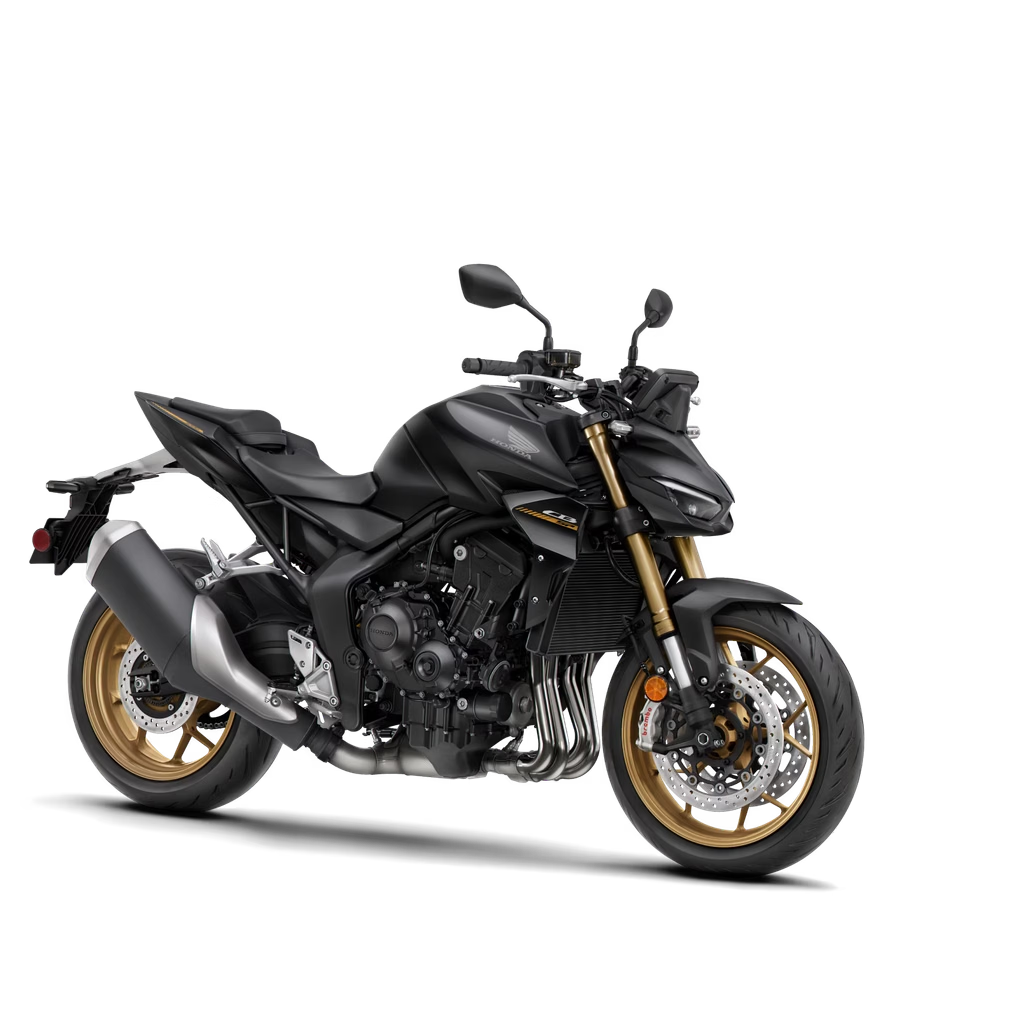
There’s no independently verified top speed for the U.S.-spec CB1000 Hornet SP, and Honda doesn’t publish one for the American market. That’s not unusual for street bikes sold here, but it means anyone quoting a specific mph figure for this bike is estimating.
The engine is a detuned version of the 2017 CBR1000RR’s inline-four, which had a genuine 170-plus mph capability in its day. But the Hornet SP isn’t geared or tuned the same way. It runs shorter gearing for punchy midrange response, a more upright riding position with none of the wind protection a fairing gives a sportbike, and, in U.S. trim, notably less rear-wheel power than Europe gets.
Until a publication runs a GPS-verified top-speed test on a U.S. model, the honest answer is that any number you see online, including the 160-plus mph figures floating around from aggregator sites, is a projection based on European claimed power, not a measurement of the bike Americans can actually buy.
How Fast Is the Honda CB1000 Hornet SP 0-60?
No GPS-instrumented or dyno-verified 0-60 time exists yet for the U.S.-spec CB1000 Hornet SP. The only number circulating is a 2.9-second estimate from ProfessCars, which is a formula-derived calculation based on claimed specs, not an actual timed run (ProfessCars, 2025).
Treat that 2.9-second figure as a rough ballpark, not gospel. Formula-based estimates like this typically start from peak horsepower and weight, then run those numbers through a model that assumes ideal traction, a skilled launch, and no real-world variables like tire temperature or rider weight. They tend to run optimistic compared to what a magazine’s timing gear records at a track.
What we do know for certain is the bike’s power-to-weight setup: 465 lbs. curb weight against an engine that, in U.S. trim, dyno’d at 116 rear-wheel horsepower. That’s a healthy naked-bike power-to-weight ratio, but it’s a step down from what the claimed European figures would suggest for acceleration.
Why Does the US Honda CB1000 Hornet SP Make Less Power Than Europe’s?
The short answer is emissions and noise regulations, not a different engine. Honda builds the CB1000 Hornet SP with the same core CBR1000RR-derived motor everywhere, but U.S. models get different fueling, cam timing, and exhaust restrictions to meet EPA and noise standards that don’t apply the same way overseas.
Honda claims 155 hp for the standard Hornet and 157 hp for the SP in Europe, measured at the crank (RideApart, 2025). Cycle News ran a U.S.-spec Hornet SP on a Dynojet dyno at Rottweiler Performance and recorded 116 hp at the rear wheel, a number that reflects real drivetrain loss and the emissions-focused U.S. tune.
That’s not a small gap, and riders coming from the claimed spec sheet should expect a noticeably tamer bike below about 6,000 rpm than the European numbers imply.
The flat spot shows up right where you’d feel it on a real ride: torque delivery gets clunky between roughly 4,000 and 6,000 rpm before the engine cleans up and pulls hard toward its 11,500 rpm redline. Above that point, the inline-four character everyone praises finally shows up.
How Does the Honda CB1000 Hornet SP Handle?
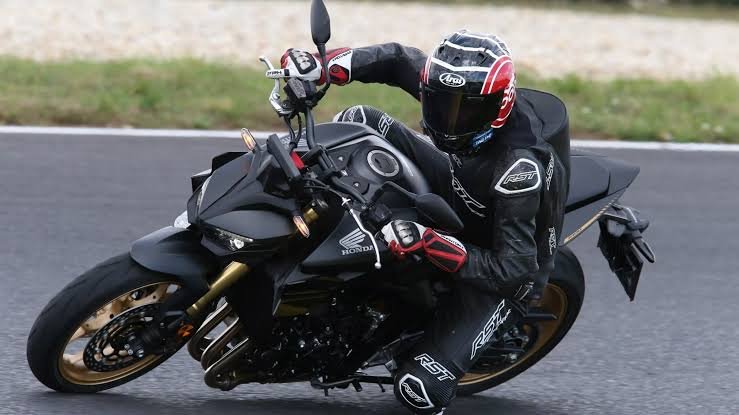
credit: https://www.1000ps.com/
The Hornet SP handles like a bike Honda built around its suspension as much as its engine. Honda paired a fully adjustable 41mm Showa SFF-BP fork with an Öhlins TTX36 rear shock, componentry you’d expect on bikes costing several thousand dollars more.
Dual Brembo Stylema four-piston radial calipers up front bite 310mm floating discs, backed by a single Nissin caliper and 240mm disc at the rear, both with ABS. That’s race-derived brake hardware on a naked bike Honda is selling for under $11,000.
At 465 lbs. curb weight and a 31.9-inch seat height, the Hornet SP is manageable for most riders without being featherweight. The chassis rewards a rider who wants to carry corner speed rather than one chasing straight-line numbers, which tracks with where its real strengths are: midrange torque and confident, well-damped handling rather than outright top-end drama.
Who Is the Honda CB1000 Hornet SP Built For?
This bike is built for a street rider who wants liter-bike midrange grunt and premium suspension without paying premium-bike money. At $10,999, it undercuts the Kawasaki Z900 SE, Yamaha MT-09 SP, and Yamaha MT-10 SP while still running Brembo and Öhlins hardware (Rider Magazine, 2025).
It’s not the pick for someone chasing a specific top speed or bracket-racing 0-60 number, since neither is independently verified yet, and the U.S. tune trades top-end power for emissions compliance. Riders coming from a modern liter sportbike may notice the flat spot in the midrange before things open up past 6,000 rpm.
Where it makes the most sense is as a daily-usable naked bike for a rider who values chassis feel, brake feedback, and a manageable seat height over chasing a number on a spec sheet that Honda hasn’t even confirmed for this market.
Frequently Asked Questions
What is the top speed of the Honda CB1000 Hornet SP?
There’s no verified U.S. top speed. Honda doesn’t publish one, and no GPS-tested figure for the American-spec bike has been published by a named source yet. Any specific number you see online is an estimate based on European-spec claimed power.
How fast does the Honda CB1000 Hornet SP go 0-60?
The only figure available is a 2.9-second formula-based estimate, not a timed test. No dyno- or GPS-verified 0-60 time exists yet for the U.S. model.
How much horsepower does the US Honda CB1000 Hornet SP make?
A U.S.-spec CB1000 Hornet SP dyno’d at 116 hp at the rear wheel. That’s well below the 155-157 hp Honda claims at the crank for the European version, largely due to U.S. emissions and noise tuning.
How much does the Honda CB1000 Hornet SP cost?
U.S. MSRP is $10,999. That price undercuts most of its direct liter-class naked competitors while still including Brembo Stylema brakes and an Öhlins TTX36 rear shock.
Is the Honda CB1000 Hornet SP a good bike for new riders?
It’s usable for a confident newer rider thanks to its 31.9-inch seat height and manageable 465-lb. curb weight, but the midrange power delivery can feel abrupt below 6,000 rpm. Riders newer to liter-class bikes should test ride before committing.