Kawasaki Vulcan 900 Classic Top Speed & 0-60 Time
TL;DR
- Instrumented testing on the Vulcan 900 platform recorded a 0-60 mph time of 5.92 seconds and a top speed of 104.7 mph.
- Some later sources place top speed closer to 115 mph, though that figure isn’t backed by a named instrumented test.
- The current model makes 51 hp at 5,500 rpm and 58.3 lb-ft of torque at 3,500 rpm from a 903cc liquid-cooled V-twin.
- Curb weight sits at 619.6 lb, and the 5-speed belt-drive transmission is unchanged in layout since the bike launched in 2006.
- 2026 base MSRP is $9,599 plus an $840 destination charge, putting the out-the-door base price at $10,439.
How Fast Is the Kawasaki Vulcan 900 Classic in the Quarter Mile and 0-60?
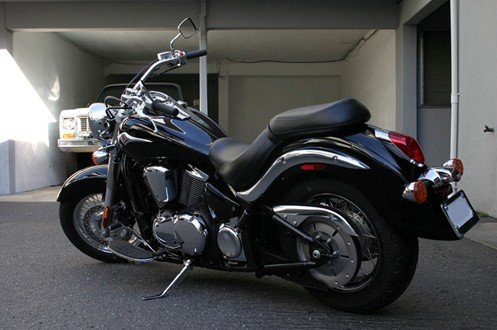
The most reliable instrumented numbers come from Motorcycle Consumer News, which tested the related 2007 Vulcan 900 Custom (same 903cc engine and driveline as the Classic) and recorded a 0-60 mph time of 5.92 seconds and a quarter mile of 14.19 seconds at 89.57 mph (Motorcycle Consumer News, 2007).
That’s mid-pack for a middleweight cruiser. It won’t win a stoplight drag against a liter sportbike, but it’s plenty to merge onto a freeway or pull away from traffic without drama. Owners generally describe the bike as quick off the line for its class but not a straight-line hunter.
Because the Classic and Custom share the same 903cc engine, five-speed gearbox, and belt final drive, this figure is the best real-world proxy available for the Classic’s acceleration until an instrumented test of the Classic itself surfaces. Treat any 0-60 number under 5 seconds for this bike with real skepticism.
What Top Speed Can You Actually Hit on a Vulcan 900 Classic?
The same 2007 Motorcycle Consumer News test clocked a top speed of 104.7 mph on the Vulcan 900 Custom, and that number lines up with what most Vulcan 900 owners report seeing on the speedometer.
Some review sites list a higher figure, with TopSpeed citing 115 mph for the 2023 model year, but that number isn’t tied to a named dyno run or a GPS-based test (TopSpeed, 2023).
Owner reports split the difference, describing speeds in the 100-110 mph range depending on rider weight, wind conditions, and whether the bike carries aftermarket pulleys or a fairing.
For planning purposes, treat 105 mph as the realistic ceiling and anything above that as favorable conditions plus a brave right wrist. This is a cruiser built for 65-80 mph highway cruising, not a top-speed run.
What Engine and Power Numbers Does the Vulcan 900 Classic Run?
The current Vulcan 900 Classic uses a 903cc, liquid-cooled, 55-degree V-twin that makes 51 hp at 5,500 rpm and 58.3 lb-ft of torque at 3,500 rpm, fed by dual 34mm throttle bodies with electronic fuel injection (Kawasaki, 2026).
That torque peak matters more than the horsepower number for how the bike actually feels. Torque arriving at 3,500 rpm means the engine pulls hard from just above idle, which is exactly what you want for stoplight-to-stoplight riding and passing on two-lane roads without a downshift.
Kawasaki notes this horsepower figure uses the ISO 4106 standard rather than SAE, which can read slightly higher than an SAE-rated number for the same engine.
Earlier model years ran slightly different output. VikingBags reports the 2006-2012 Classic made 50 hp and 82 Nm (about 60.5 lb-ft) of torque, before output settled at 48 hp and 78 Nm for 2013 and later years, a change Kawasaki hasn’t publicly explained (VikingBags, 2025).
Kawasaki Vulcan 900 Classic Spec Sheet
| Spec | Figure |
|---|---|
| Engine | 903cc, liquid-cooled, 55-degree V-twin |
| Horsepower | 51 hp @ 5,500 rpm |
| Torque | 58.3 lb-ft @ 3,500 rpm |
| Transmission | 5-speed, belt final drive |
| Top speed (tested) | 104.7 mph |
| 0-60 mph (tested) | 5.92 sec |
| Quarter mile (tested) | 14.19 sec @ 89.57 mph |
| Curb weight | 619.6 lb |
| Seat height | 26.8 in |
| Fuel capacity | 5.3 gal |
| 2026 base MSRP | $9,599 + $840 destination |
Tested figures from Motorcycle Consumer News (2007) on the related Vulcan 900 Custom. Current-year specs from Kawasaki (2026).
How Does Weight and Seat Height Affect How the Vulcan 900 Classic Rides?
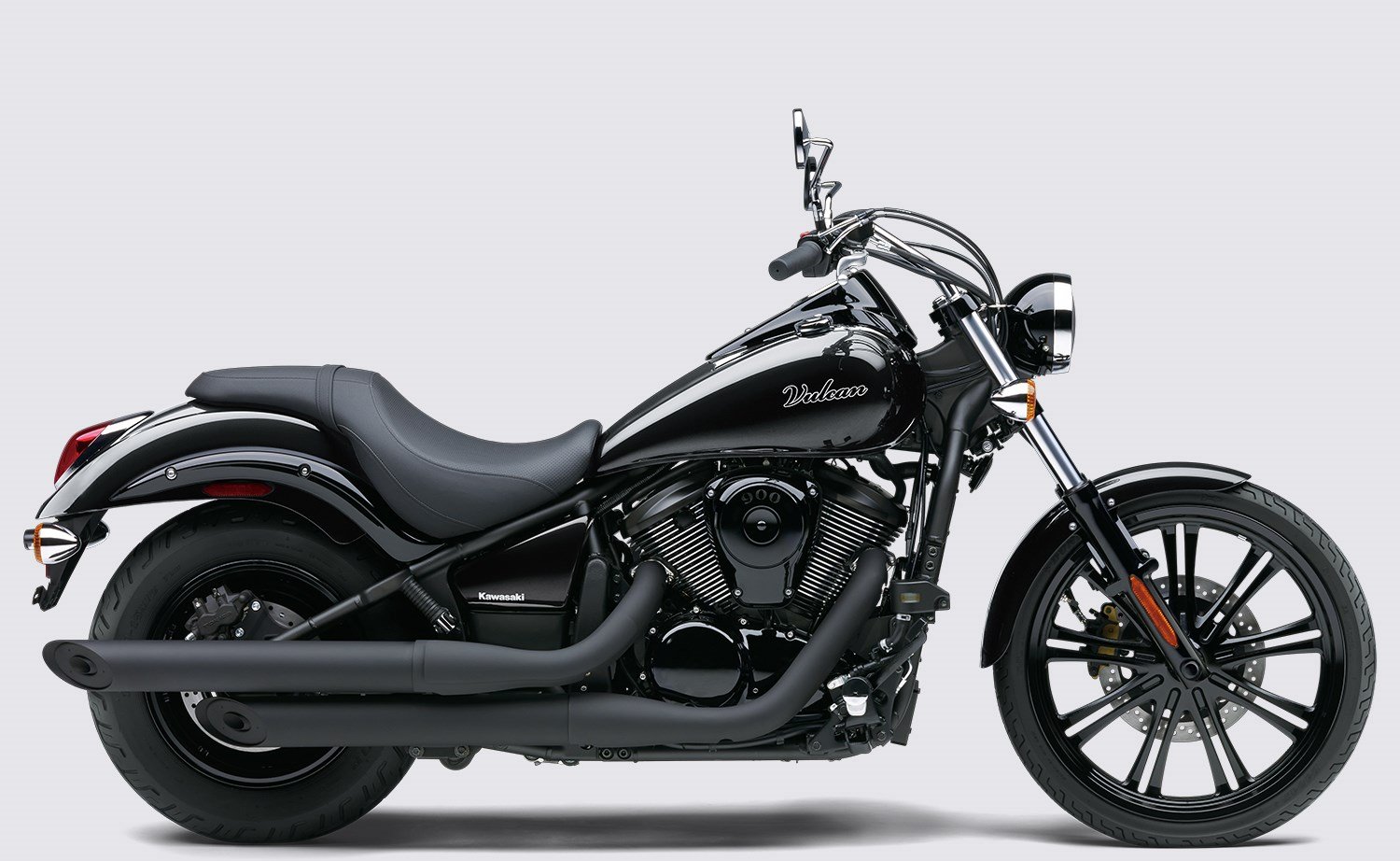
At 619.6 lb curb weight and a 26.8-inch seat height, the Vulcan 900 Classic sits low and stable, which is why it’s a popular pick for shorter riders and returning riders easing back into cruisers.
That low center of gravity makes the bike feel lighter than its curb weight suggests at parking-lot speeds, but it also means floorboards touch down early in corners. Limited cornering clearance tied to the floorboard placement has been a recurring complaint in period reviews going back to the bike’s 2006 launch.
If you ride mountain roads or enjoy leaning a bike over, this is the tradeoff you’re accepting for the classic cruiser stance.
Frequently Asked Questions
What is the top speed of a Kawasaki Vulcan 900 Classic?
Instrumented testing on the related Vulcan 900 Custom recorded 104.7 mph. Some sources cite figures up to 115 mph, but without a named test method, 105 mph is the more defensible real-world number.
How fast does the Vulcan 900 Classic go from 0 to 60 mph?
The tested 0-60 time is 5.92 seconds, recorded on the same-engine Vulcan 900 Custom. That’s typical for a mid-displacement cruiser and not a bike built for drag strip times.
How much horsepower does the Kawasaki Vulcan 900 Classic have?
The current model makes 51 hp at 5,500 rpm, though model years from 2013 onward have been rated closer to 48 hp by third-party sources, down from 50 hp on 2006-2012 models.
Does the Vulcan 900 Classic have enough power for highway riding?
Yes. With 58.3 lb-ft of torque peaking at just 3,500 rpm, the bike pulls comfortably at highway speeds and has enough reserve for passing without downshifting.
What is the quarter mile time for a Kawasaki Vulcan 900?
A 14.19-second quarter mile at 89.57 mph is the closest documented figure available for this engine and driveline, recorded on the Vulcan 900 Custom.